Video
- Recently Added
- Popularity
- Name
About 19 filtered results

by Mary Latvis · Posted
Optimal imaging for virtual production (VP) requires certain camera functions that are not integral to all video cameras. A global shutter (or fast readout speeds), genlock capability, and timecode input are key factors to look for when selecting a camera for your VP video capture. Let’s review these specifications and highlight several cameras that incorporate these key specs.
Global Shutter Sensor
Most video cameras are designed with a “rolling” shutter that successively scans each row of photosites (the physical embodiments of pixels) on

by Zack Young · Posted
2024 was a big year for video, as professional-level tools continued to become more accessible for aspiring filmmakers and creatives. Cinema cameras that cost less than ten grand can now compete with those that go for six figures. This opening up of the camera ecosystem means consumers have an increased power and ability to pick and choose exactly which features matter most to them. Once you decide what kind of projects you want to be shooting, you can

by Stepan Andranikian · Posted
Despite offering premium image quality and professional design, not all cine lenses demand a premium cost. In fact, if you know where to look and what you’re looking for, you can snag some truly solid optics at a relatively affordable price. Today, we’ll be looking at some of the best budget-friendly wide-angle cine lenses on the market.
Rokinon 14mm T3.1 Cine DS Lens
In recent years, Rokinon has solidified itself as an excellent solution for anyone looking for budget-friendly cine lenses that offer professional and reliable optics. The

by Stepan Andranikian · Posted
Let’s face it: cinema lenses aren’t cheap, and for good reason. Cinema lenses are, generally, superior to conventional “non-cine” lenses in almost every regard. They’re more durable, offer better control, produce superior image quality, and so on. The only downside is the price you pay for the privilege of their performance; a top-tier cine lens can easily run you thousands of dollars.
But don’t reach for your

by Zack Young · Posted
If you've been reading up on the Sony BURANO 8K Digital Cinema Camera, you've probably heard that it's the first camera to pair IBIS (in-body image stabilization) with PL-mount lenses. This is huge news for shooters who like to go handheld, as their favorite PL glass can suddenly be taken off the tripod without the dreaded micro-jitters and small wobbles that typically happen when people rely on their bodies to support

by Jennifer Hahn · Posted
Heading out to shoot video on the run for an e-magazine, streaming site, documentary, or narrative film, and your HD camcorder doesn’t have the professional look and utility that you need? It is probably time for a professional mobile setup with cinema-quality features. Though you may imagine a bit of sticker shock, not to worry, because digital cinema cameras are much more affordable now and most offer 4K quality video with high-

by Mary Latvis · Posted
Looking to upgrade your video capture as we bid adieu to 2021? Here to brighten up a challenging year is our roundup of the top cine-style cameras introduced during 2021, perfect for creating narrative video content like an indie feature, crafting a documentary, or producing a film-look industrial piece. Each of these cine-style machines has their own feature touches so read on to see which best suits your capture needs.
What exactly makes a camera “cine-style”? Simply put, these cameras maintain the modular configuration and high resolution

by Mary Latvis · Posted
Did you just upgrade to a new cine-style camera? Now’s the time to trick it out just the way you like with some pro-style rig components from Tilta. Tilta has you covered with complete kits and individual components such as handles, battery plates, and baseplates for cameras like the Canon C300 Mk III and C500 Mk II, Panasonic BGH1, Sony’s FX3 and FX6, and the Z CAM E2C.
Canon C300 Mk III and C500 Mk II
Compatible with the Canon C300 Mk III and C500 Mk II, these Tilta cage kits are built around a versatile
by Steven Gladstone · Posted
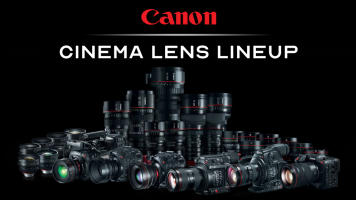
Although the Canon Cine lens selection is just a small part of Canon’s overall lens lineup, these lenses deliver significant advantages for those who work in the cine side of things. Whether you are working with Canon’s Cine EOS line of cameras, a high-end digital cine camera, or even cameras such as Canon’s C70, The Cine EOS line of lenses has something to offer.
The Basics
First, let’s go over the basics of cinema-style lenses, to point out why they are made the way they are, and how that helps you shoot your best.
Prime
Prime lenses, or
by Jennifer Hahn · Posted
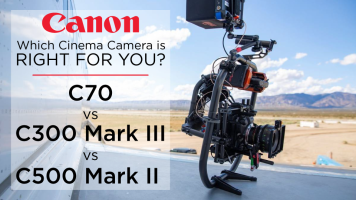
It’s an exciting time for compact cinema cameras as they get smaller and more modular while continuing to add better and better specs for lower-budget and mobile production. Although I’ve worked with many cameras on documentary and mobile productions, the Canon EOS C series cinema line has been one of the most versatile, and significant advantages usually come with each new model release. This year, Canon has introduced three feature-packed models to its impressive repertoire: the

by Mary Latvis · Posted
Shooting video with your DSLR or mirrorless camera and ready to invest in a set of your own lenses? Start building your “glass” kit with a trio of cine-style lenses chosen to suit your current shooting style and to keep for years to come. Choose from a classic 24/25, 50, and 75/85mm set, a trio of longer lenses to compress your depth of field for dramatic, intimate closeups, or a trifecta of wider focal lengths for travelogues, establishing shots, or immersive closeups. Here are a just a few selections from the array of
by Shawn C. Steiner · Posted
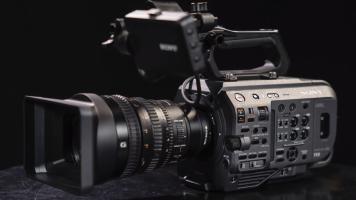
Remember the Canon 5D Mark II? Feels like ages ago in the world of technology. When it was released, it boasted an at-the-time-unheard-of capability of recording full-frame Full HD video at 30 fps. Jump forward a decade and full-frame 4K video is now an expected function of DSLRs and mirrorless. Cinema cameras were fairly content with their Super 35 sensors—after all, most existing lenses were built around the format. The past couple of years have seen a substantial shift, however, as RED, ARRI, Canon, and Sony released new

by Steven Gladstone · Posted
Filmmakers, take heed: the Leitz Cine Primes and Zooms are sharp, with natural-looking bokeh and round, out-of-focus highlights, and they cover VistaVision. Lenses, not diamonds—it is lenses that are forever, or at least a long time—provided you get the right one. Even in this digital age, with new sensors and new cameras coming fast and furious, your lens investment can outlast the most recent camera. The lens that

by Mary Latvis · Posted
by David Adler · Posted
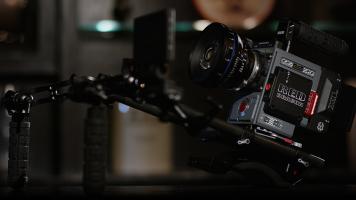
One of the most attractive aspects of RED cameras is modularity. The latest DSMC2 camera models are especially flexible, enabling minimalist to “everything but the kitchen sink” configurations that are only limited by your imagination. Since the RED DSMC2 platform provides a blank slate to build a camera, I inquired of my coworkers to see how they would build out their RED camera from the myriad options offered here at B&H. I’ve also included my own thoughts at the end.
Mary Latvis
For owner/operators looking to purchase a RED DIGITAL