Video
- Recently Added
- Popularity
- Name
About 11 filtered results
by Steven Gladstone · Posted
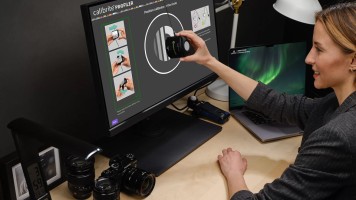
Color can be one of your greatest allies in the creative process. Even more than color itself, the assurance that your color balance looks as good as possible, is accurate from capture to export, and is consistent from screen to screen can be paramount to sharing your vision with others. To achieve this control over color, a color calibration process is a necessity.
The Two Pillars
When discussing calibration, you must consider not only the monitor on which you are viewing your footage, but the camera you used to capture that footage, as well.

by Stepan Andranikian · Posted
Despite offering premium image quality and professional design, not all cine lenses demand a premium cost. In fact, if you know where to look and what you’re looking for, you can snag some truly solid optics at a relatively affordable price. Today, we’ll be looking at some of the best budget-friendly wide-angle cine lenses on the market.
Rokinon 14mm T3.1 Cine DS Lens
In recent years, Rokinon has solidified itself as an excellent solution for anyone looking for budget-friendly cine lenses that offer professional and reliable optics. The

by Stepan Andranikian · Posted
Let’s face it: cinema lenses aren’t cheap, and for good reason. Cinema lenses are, generally, superior to conventional “non-cine” lenses in almost every regard. They’re more durable, offer better control, produce superior image quality, and so on. The only downside is the price you pay for the privilege of their performance; a top-tier cine lens can easily run you thousands of dollars.
But don’t reach for your

by Zack Young · Posted
If you've been reading up on the Sony BURANO 8K Digital Cinema Camera, you've probably heard that it's the first camera to pair IBIS (in-body image stabilization) with PL-mount lenses. This is huge news for shooters who like to go handheld, as their favorite PL glass can suddenly be taken off the tripod without the dreaded micro-jitters and small wobbles that typically happen when people rely on their bodies to support
by Steven Gladstone · Posted
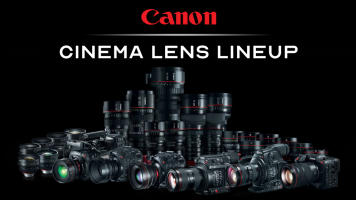
Although the Canon Cine lens selection is just a small part of Canon’s overall lens lineup, these lenses deliver significant advantages for those who work in the cine side of things. Whether you are working with Canon’s Cine EOS line of cameras, a high-end digital cine camera, or even cameras such as Canon’s C70, The Cine EOS line of lenses has something to offer.
The Basics
First, let’s go over the basics of cinema-style lenses, to point out why they are made the way they are, and how that helps you shoot your best.
Prime
Prime lenses, or

by Mary Latvis · Posted
Shooting video with your DSLR or mirrorless camera and ready to invest in a set of your own lenses? Start building your “glass” kit with a trio of cine-style lenses chosen to suit your current shooting style and to keep for years to come. Choose from a classic 24/25, 50, and 75/85mm set, a trio of longer lenses to compress your depth of field for dramatic, intimate closeups, or a trifecta of wider focal lengths for travelogues, establishing shots, or immersive closeups. Here are a just a few selections from the array of

by Steven Gladstone · Posted
Filmmakers, take heed: the Leitz Cine Primes and Zooms are sharp, with natural-looking bokeh and round, out-of-focus highlights, and they cover VistaVision. Lenses, not diamonds—it is lenses that are forever, or at least a long time—provided you get the right one. Even in this digital age, with new sensors and new cameras coming fast and furious, your lens investment can outlast the most recent camera. The lens that

by Jennifer Hahn · Posted
Congratulations! Your project includes a scene using chroma key and you've just recorded your green screen footage. Or did you use blue screen? Or maybe even a white background? Your next challenge is finding the right software tools to edit your footage in post-production so your final scene doesn't look like the weatherperson on public access TV. The basic process is to import your green screen footage into software with chroma key tools, to apply a key (remove the green) to the background, leaving your subject completely free of the green

by Mary Latvis · Posted
by Steven Gladstone · Posted
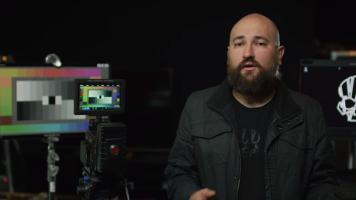
What is IPP2? you may be wondering. IPP2 is the acronym for Image Processing Pipeline 2 and, with IPP2, RED claims that it has separated the technical adjustments from the creative adjustments. What’s the big deal, you say? How good could it be? Imagine all the candy, from all the candy stores, in all the world—at your fingertips. It isn’t quite as good as that, but it is close.
IPP2 is a new color-processing system that RED has devised, available in-camera in the

by David Adler · Posted
In an earlier article comparing cinema lenses and still photography lenses, I made the point that photography lenses could be modified with aftermarket accessories and procedures to make them more “video and cinema friendly.” Since DSLR and mirrorless cameras started to shoot video, there has been a massive interest in using the readily available photography-lens catalog for shooting video. Many of these lenses, optically speaking, are