Video
- Recently Added
- Popularity
- Name
About 511 filtered results
Posted
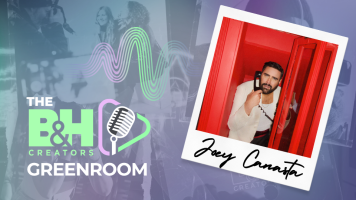
On this episode, host Deanna Testa sits down with comedian, podcaster, and social media personality Joey Camasta, best known for his hit podcast It’s Happening with Snooki & Joey. They talk about shifting his career toward developing a lifestyle brand, the future of podcasts under a Hollywood system, and why honestly and consistency in your content helps grow an audience.
Special thanks to Nanlite for sponsoring Season 2 of the B&H Creators Greenroom Podcast!
Guest Bio
Joey Camasta is a dynamic personality best known as the co-host
by Zack Young · Posted
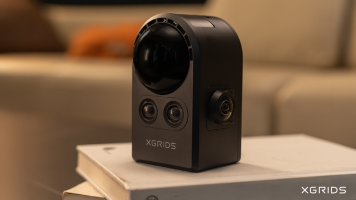
While you may have heard about the XGRIDS PortalCam in our introduction to Photogrammetry and Gaussian Splatting, inside the camera and its ecosystem are some truly unique capabilities that deserve a closer look. What's the most effective way to do spatial capture? What is a
by Mary Latvis · Posted
Recognized as one of the most innovative art and design schools in the US, CIA (Cleveland Institute of Art) strives to prepare its students for emerging careers in the latest visual technologies, including the burgeoning field of virtual production. The lack of a comprehensive resource for these technologies spurred CIA to turn to Disguise Services and The Studio B&H to design and construct the IML (Interactive Media Lab)—a full-service immersive/interactive facility.
Cleveland Institute of Art
The Challenge
CIA’s goal was to create a

Posted
Now that you've filmed your video, it's time for editing and delivery in HDR. Doug dives deeper into HDR formats, as well as standards and workflows when working with HDR video. Join him in DaVinci Resolve where you'll learn about both the technical and creative sides.
0:00 - Intro
1:03 - Choosing an HDR Monitor
5:08 - Color Gamut
6:44 - Setting Up Your Monitor & Project
10:39 - Grading in HDR
24:28 - Exporting & Delivering
25:32 - Final Thoughts
Sponsored by

by Jennifer Hahn · Posted
Point-and-shoot cameras are a great value-add to your photography kit, social media sharing, or as a vacation companion for quick stills and capturing memories on the fly. And these days, the value is even greater with point-and-shoot video recording. The point-and-shoot design makes things simple to change to video mode and press record. Though after you’ve captured your video, it can become cumbersome to edit and share that footage.
Some cameras allow you to edit/trim your video footage (also called “Movies” in some cameras) in camera, which
Posted
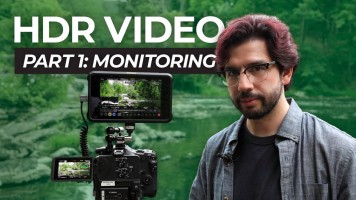
In part one, Doug shares how you can introduce HDR into your workflow. He discusses the advantages and disadvantages of shooting HDR video, the basics of HDR formats, and monitoring HDR on set.
0:00 - Intro
0:59 - What Is HDR Video?
2:20 - HDR Format Basics
5:30 - Middle Gray
7:19 - HDR Monitoring
12:59 - A Note on Exposure
13:45 - Where Is 18% Gray in HDR?
14:26 - Final Thoughts

by Jennifer Hahn · Posted
Many moons ago, when the economy was unstable and layoffs were rampant, this author decided to switch careers to pursue filmmaking. With a new perspective and energy, but without any guidance, knowledge, or tools, going back to school for digital filmmaking was a no-brainer. The aim was to tell real stories in documentary form, and it became a challenging but ultimately rewarding adventure.
Tips for Starting Out
If you’re just starting out at the dawn of your student career, or find yourself older and wiser looking for a change, and you want

by Steven Esposito · Posted
Whether you are learning the craft of cinematic filming, content creation, or even video editing, Professor Zack is here to get you started!

by Zack Young · Posted
B&H is excited to announce that our new Virtual Production and XR (Extended Reality) category is now live. Initial offerings include products for cinema capture, broadcast, live events, sports, education, and more, with an emphasis on LED volumes, IMLs (Interactive Media Labs), content creation, advertising, and tradeshows.
Current subcategories for browsing include
by M. Brett Smith · Posted
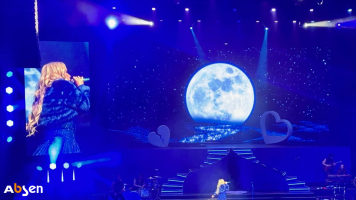
Country music artist Megan Moroney is one of the genre's fastest-rising stars. Following the success of her breakout hit "Tennessee Orange," Moroney's debut album Lucky and follow-up release Am I Okay? helped cement her place among country music's most in-demand artists. As her popularity has grown, so too has the scale and complexity of her live productions.
Supporting a nonstop, international tour that spans a wide range of countries, venues, and conditions requires a video system capable of delivering exceptional visual performance in

by Steven Gladstone · Posted
Learning to speak and use the language of lighting can go a long way to creating images that move the audience, immersing them even further. It will also make working on set much more efficient, helping you create more powerful images in less time with your crew.
This article will cover basic lighting types, so you can become familiar with what is available.

by Steven Gladstone · Posted
When creating images for a film, you try to balance your shots so that you draw the audience into the movie, while at the same time they forget that they are watching a movie. Usually, the last thing you want is to break the illusion and have the audience snap out of their reverie.
As you read this article, you may want to pause and rewatch some classic films, or films that had a powerful effect on you. Examining the new and different techniques, lighting, and compositions used to create impact, mood, and feeling will help you grow as a
Posted
Filmmaker Cooper O’Hearn and photographer Derek Fahsbender team up to break down filmmaking to its core, from pre-production and camera settings to storytelling, theory, color-grading and more.
0:00 - Intro
7:58 - Photography vs. Videography
10:59 - Frame rates & Shutter speed
17:29 - ND filters
19:18 - Aperture& ISO
24:32 - White balance
26:17 - Peaking & zebras
29:49 - Audio
32:21 - Color Profiles
34:22 - Editing software
36:19 - File storage
42:23 - Types of shots
45:13 - Filming tips
by Zack Young · Posted
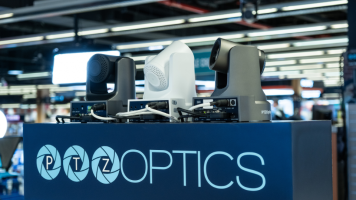
If you’re capturing a live event like a religious service, the best way to engage online viewers is by providing them with an even more dynamic view of the action than they could get in person. This is rarely achieved by throwing an iPhone on a tripod in the back of the room. Instead, we’ll show you how to use PTZ (pan tilt zoom) cameras to stream professional, high-quality versions of your events and services out to the general public. We’re breaking down the equipment, software, streaming services, and more.
Equipment Needs
On the most basic
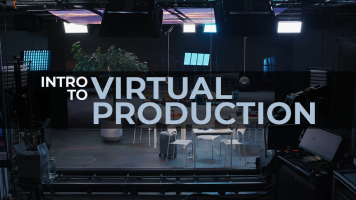
Virtual production (VP) is a filmmaking technique that combines live-action footage with digital imagery in real time. VP often happens on volume stages where interlocked LED panels display photo-real backdrops that change as the camera moves to create stunning in-camera virtual effects (ICVFX).