Podcast

0 Plays ·Posted
For the B&H Photography Podcast, 2017 has been a wonderful year. We published our 100th episode, surpassed one million downloads, and reached #1 on the iTunes podcast chart in the Visual Arts category. Achievements aside, we are simply pleased with the remarkable guests we have hosted on our show, the variety of subjects we have covered, and the consistently entertaining and intelligent conversations we have published. And honestly, we are proud to have maintained our production
0 Plays ·Posted
We are living in a Golden Age of landscape photography. Digital cameras and improved software enable the kind of imaging that until recently was only possible via the budgets of large publications and the talents and ambitions of a few select photographers. Ambition and talent remain, and with enhanced dynamic range and color algorithms, higher sensitivity settings, simplified stitching and compositing software, and a network of websites to display work, impressive landscape photography is abundant; however, there are new masters and the
0 Plays ·Posted
On this week’s episode, we return to our roots—and not just our photographic roots—but we return to our podcast’s original design of chatting about photography among B&H photographers and writers. We welcome back an original co-host of the podcast, Todd Vorenkamp, as we discuss the basics of photography—the control of light through aperture, shutter speed, and ISO sensitivity.
Yes, this episode could be considered a Photo 101 course,
0 Plays ·Posted
The B&H Photography Podcast was very fortunate to be invited to the 29th Eddie Adams Workshop this year. The annual workshop, officially sponsored by Nikon, with support from B&H, is a unique and inspiring event, bringing together 100 young photographers with some of the world’s most recognized photojournalists and editors, including thirteen Pulitzer Prize winners, for four intense days of photographic presentation and collaboration.
Tim Rasmussen, Director of Digital and Print
by Jason T ·Posted
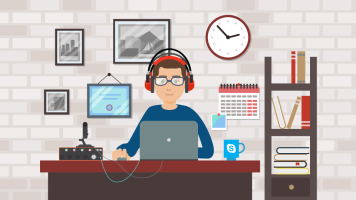
Skype could be considered the best—and worst—thing to ever happen to podcasting. The ability to interview guests remotely is, of course, invaluable. Horrendous audio due to digital artifacts and bad microphones? Not so much. While the pros and cons of Skype recording are stark in contrast, it is certainly possible to maximize the benefits, while minimizing the drawbacks.
While probably the most common, Skype is just one of many voice over IP (VoIP) systems that you can use to interview podcast guests remotely. So, most of the tips here

2,594 Views ·Posted
Watch B&H’s Rob Rives as he walks you through using the Sound Devices MixPre 10-T, a multi-channel audio recorder and USB interface. As you hear the dulcet tones of his voice through the unit’s Kashmir mic preamps, Rives will expound on the device’s channel count, I/O combinations, Timecode capabilities, 32-bit A/D conversion, control methodologies, and more. We hope you enjoy the video, and invite you to view the wide selection of
by Nicholas Messitte ·Posted
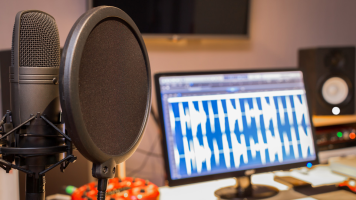
Here’s what you need to know right off the bat: Mixing vocals for podcasts is quite different from mixing vocals for music, where the trend is to impart sheen, sparkle, luster, and other trebly adjectives. A simple A/B test between any Gimlet podcast against any Justin Bieber song will prove the difference: What constitutes a solid, pro sound in the podcast world is a meatier affair, and an altogether different target.
Yes, your podcast vocals do need to be present. But, quite often, vocals are not the main attraction in a podcast—they’re the
by Nicholas Messitte ·Posted
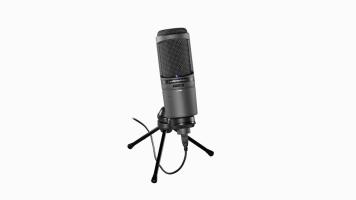
USB microphones have come a long way since their inception, with strides being made all the time in ADC tech, sound, and build quality; these days, some companies even team up with well-regarded brands like Apogee in nestling analog-to-digital converters within their microphones. And yet, some mics have exhibited solid build and dependable sonics for quite a while now. Take the Audio-Technica AT2020USBi Condenser
by Nicholas Messitte ·Posted
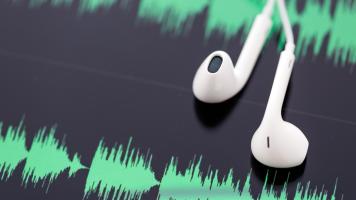
It’s a cliché to even say it, but everybody has a podcast. I myself have, like, I don’t know—six? I kid. It’s more like two. With a glut of podcasts hitting the media landscape, how do you make sure yours stands out? Marketing, of course—one hopes for the viral kind. But still, it helps immeasurably if your podcast is a pleasing listen, transporting audiences from their dull lives commuting to and from work, a fate from which there is no escape.
This calls for sound design: the creation of a sonic landscape, combined with good old-fashioned

187 Views ·Posted
Today’s talk is geared toward people who want to produce their own podcasts and with that in mind we will focus on what we have learned in our time producing the B&H Photography Podcast, from the gear we use, to the audio techniques and software.

We are living in a Golden Age of landscape photography. Digital cameras and improved software enable the kind of imaging that until recently was only possible via the budgets of large publications and the talents and ambitions of a few select photographers. Ambition and talent remain, and with enhanced dynamic range and color algorithms, higher sensitivity settings, simplified stitching and compositing software, and a network of websites to display work, impressive landscape photography is abundant; however, there are new masters and the

On this week’s episode, we return to our roots—and not just our photographic roots—but we return to our podcast’s original design of chatting about photography among B&H photographers and writers. We welcome back an original co-host of the podcast, Todd Vorenkamp, as we discuss the basics of photography—the control of light through aperture, shutter speed, and ISO sensitivity.
Yes, this episode could be considered a Photo 101 course,

The B&H Photography Podcast was very fortunate to be invited to the 29th Eddie Adams Workshop this year. The annual workshop, officially sponsored by Nikon, with support from B&H, is a unique and inspiring event, bringing together 100 young photographers with some of the world’s most recognized photojournalists and editors, including thirteen Pulitzer Prize winners, for four intense days of photographic presentation and collaboration.
Tim Rasmussen, Director of Digital and Print
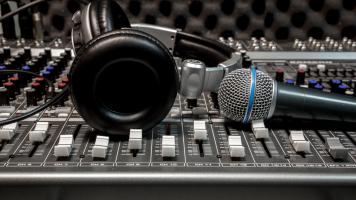
by Jason T ·Posted
Over the past few years, podcasting has enjoyed a resurgence in popularity. With renewed enthusiasm in the commercial and “do-it-yourself” segments of the medium, the art of the podcast is quickly evolving. As the content has gotten better and better, the standards for sound quality, sound design, and music have also taken a quantum leap. In my time co-producing and engineering the B&H Photography Podcast, I’ve picked up some useful knowledge that’s helped me create better

by Jason T ·Posted
It has been quite an exciting year for the B&H Photography Podcast, as well as for podcasting as a medium in general. Hugely popular shows such as S-Town, The Daily, and Radiolab have taken podcasts to new heights in terms of amazing content, and have also substantially raised the bar for audio production. While many of these top-notch programs are produced in broadcast studios by seasoned professionals, you don’t need to be a