About 7109 filtered results
by Zack Young · Posted
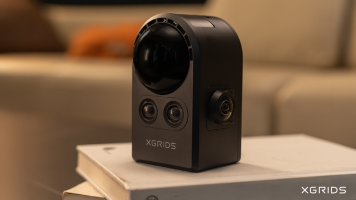
While you may have heard about the XGRIDS PortalCam in our introduction to Photogrammetry and Gaussian Splatting, inside the camera and its ecosystem are some truly unique capabilities that deserve a closer look. What's the most effective way to do spatial capture? What is a

by Mathew Malwitz · Posted
The days of the large, dedicated photography studio being the norm are numbered, with many professionals preferring alternatives or using smaller spaces within their homes. This opens a Pandora’s box of tripping hazards and cramped conditions as light and background stands sit sprawled across the floor. These stands aren’t designed for these spaces, nor are they advantageous for more permanent fixtures.
At B&H, we understand the struggles of making do with small spaces, and while we’ve expanded over the years, we know that’s not

by Mathew Malwitz · Posted
Following a relatively quiet summer, Nikon has just unveiled a new yet rather unexpected mirrorless camera. While the rumor mills have been spinning, none spun the news of a slimmed -down FX everyday camera. Introducing the Nikon Z5 IIC, a high-performance full-frame mirrorless camera that offers total creative freedom across any scene.
Nikon Z5 IIC Mirrorless Camera

by Todd Vorenkamp · Posted
If you are stranded on a desert island and can only have one camera lens with you, which lens would you choose? That may depend on your specific area of expertise, but for the average photographer, the 50mm focal length is an essential tool to have in your kit. The 50mm prime lens, or “Nifty Fifty,” features a field of view close to that of the human eye, and delivers exceptional image quality, subject isolation, and background rendering, all in a compact package.
The Origin of the “Nifty Fifty”
In the bygone era of film SLR photography, many

by Mathew Malwitz · Posted
When it comes to choosing the best camera for sports and action photography, there are three factors to focus on. Speed, autofocus performance, and reliability are all essential to tracking, freezing, and nailing the shot time and time again. Speed and performance have become increasingly affordable with mid-tier cameras and even some entry-level ones can keep up with sporting events. In this guide, we’ve narrowed things down to the very best cameras in each class, from the pro-level flagships to everyday cameras that are right at home on your

by Mathew Malwitz · Posted
If renowned landscape photographer Ansel Adams were alive today, he would surely be astounded at the variety of cameras available. When compared to his hulking 8x10 view camera, today’s cameras look like child’s play. He would also be flabbergasted at the image quality these little devices produce.
This year, we have a bottomless well of cameras
by Luke Rollins · Posted
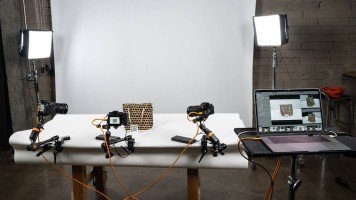
At its most basic, tethered shooting involves connecting your camera, wired or wirelessly, to your computer as you shoot. You’ve likely seen it in some behind-the-scenes video for a professional studio shoot, or you just have a friend who swears it’s the best thing since sliced bread. Tethering is a shooting technique that can benefit many a photographer’s workflow significantly, though upon first hearing of it, the idea of tethering can be something that first requires a bit of education. Hopefully, this introduction will help get you started
Posted
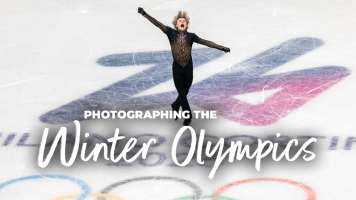
Jeff Cable is back in-personal the B&H Event Space. Jeff brings with him his favorite images from the 2026 Winter Olympics, sharing his experiences and how he captured each shot.
0:00 Intro
1:45 What is Zenfolio?
4:17 Jeff's experience at the Olympics
8:24 The challenges and best parts of Milan
11:31 Equipment
14:17 Team photos and opening ceremony
18:54 The goals
23:37 What to keep in mind
33:17 Telling a story (or two)
39:42 The Olympics by the numbers
41:00 Closing
Sponsored by

Posted
Narrative by Design with Aaron Anderson - Session 3: The Final Image In this final session, photographer Aaron Anderson goes over the culling and post-production process. Aaron focuses on color, tone, and shows Photoshop shortcuts that'll enhance your editing workflow.
0:00-Intro
3:40-Workflow
4:21-Rating/Culling images
11:19-Camera RAW edits
22:28-Opening to Photoshop
25:44-Retouching skin
31:06-Dodge and burn
40:40-Action folders
43:46-Color
48:40-Color profiles
54:09-Final image
58:50-Q&A
Sponsored by

Posted
Photographer Jeff Cable has photographed many years of the Olympics, personal events, wildlife, and various other genres. His choice of lens matter for each one. Jeff goes over some of his favorite images and breaks down how he got the shot and what lens he used.
0:00 Intro
3:17 Every lens has a use
9:40 Zoom vs. Prime - Photo review
48:30 Aperture
55:14 Upcoming photo tours / Closing
Sponsored by

by Mathew Malwitz · Posted
If you've ever gone camera shopping, you've likely run into the term "mirrorless" more than a couple of times. After all, mirrorless cameras account for up to 90% of new interchangeable-lens cameras (according to Canon executives anyhow). But what does "mirrorless" actually mean? In this guide, we're going to explore what a mirrorless camera is, what makes it different from other cameras (hint: it's in the name), and how it can benefit

by Zack Young · Posted
There's nothing like the feeling you get after playing your footage from an arduous day of filming, when you realize that everything you shot looks like your camera stumbled into a rogue washing machine, which then toppled down a comically large mountain range. Nothing like it. Unintentionally shaky footage can make a seemingly successful shoot become the bane of one's career. While there are certain measures one can take to mitigate the shakiness of footage in post, nothing will be as painless as simply stabilizing during production—hence the

by Steven Esposito · Posted
One of the best pieces of advice I like giving photographers is that they should print their photos. For many, this will mean going to a lab or print shop, in which case you should learn about profiling and calibration. The rest of you are likely more interested in getting your hands dirty and printing on your own at home. This guarantees you have full control over the entire production process, from capture to output. To do this, you will need a

Posted
The time-honored saying “A picture is worth a thousand words” can quickly lose meaning in the intricate tangle of a photographer’s lifetime archive. That is unless you take a disciplined approach to organizing your photographs from the start. This essential message is woven throughout this week’s podcast with the esteemed photojournalist and filmmaker Ed Kashi.
Above Photograph © Ed Kashi
“You need to look at your archive from early on, even before you think you have any critical mass of material,” Ed instructs. “This is your memory, this

by Mathew Malwitz · Posted
Wildlife photography is one of the most therapeutic and rewarding genres of photography and it’s also one of the most popular. There’s just something so special about being able to witness the magic, and with new camera tech, wildlife photography is easier than ever. That said, the thrill of the shot can overshadow good decision-making, leading to unethical practices. But what are ethical practices?
Take nothing but photographs, leave nothing but footprints—an adage well-known by nature enthusiasts of all levels, but not all that practical.