Photography
- Recently Added
- Popularity
- Name
About 699 filtered results
Posted
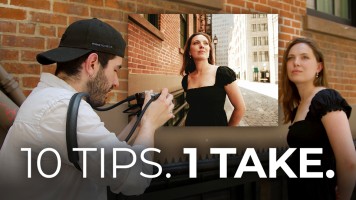
Natural light is a more affordable and accessible way to light your portraits, but it can be tough to master. Join Juan in this one-take video, as he shares his top 10 tips for mastering natural light and creating more compelling portrait photographs.
0:00 - Directional Lighting
1:13 - Hand Method
1:50 - Building Bounce
2:55 - Background Ideas
3:55 - Harsh Light
4:44 - Stop Posing Your Models
5:34 - Shoot in the Shade
6:20 - Catch Light
6:59 - The Last Tip

by John Harris · Posted
It would be foolish to claim that there is only one way to take a portrait, but there are some accepted norms and basic camera settings that you should understand if portraiture is to become your area of photographic interest. Remember though, as you walk down your creative path, that a portrait is more than a headshot, more than a beautiful photo of your subject; it is an opportunity to get to know someone, to have a visual conversation with a person, and to use your photographic skills to pass that understanding of the person on to the

by Bjorn Petersen · Posted
When assembling a kit of lenses for photographing a wedding, one should take into consideration the location in which the wedding is taking place, the number of guests and, of course, the type of imagery you are seeking to create. To best represent a wedding in a dynamic manner, it is often preferable to have a range of lenses to achieve different perspectives of the event, rather than maintaining a constant perspective of your subject matter. A wide-angle lens, specifically, is a highly effective tool for capturing many of the scenes that

Posted
“Live From New York, it’s Saturday Night!” That single sentence has become a catchphrase for devotees of comedy and popular culture for more than 50 years—generations of fans who willingly turn their attentions from the height of weekend revelry to the televised antics of Saturday Night Live.
Above Photograph © Mary Ellen Matthews
As this illustrious broadcast wraps its 51st season, we’re releasing an encore of our 2025 chat with SNL’s photographer-in-residence Mary Ellen Matthews, while we busy ourselves backstage to bring you some exciting

by Luke Rollins · Posted
Since its inception, the a7R series has been a mainstay of portrait photographers, for whom its high-resolution imagery benefitted large-scale prints in fashion, beauty, and art contexts. With the release of the a7R VI Mirrorless Camera, Sony has introduced speed into the portraitist's toolkit, eliminating the tradeoff between resolution and processing and making the act of portraiture one of agility and discovery.

by Mathew Malwitz · Posted
Who doesn’t want to capture fun and creative portraits of our four-legged friends? We know we love it. In fact, pet photography may just be the most popular form of photography there is. Think of all the smartphone snaps of yawns, big stretches, and funny moments we all take of our cats, dogs, chinchillas, and beyond.
Quick snaps aside, you know what really ups the quality of our pet portraits? Lighting. Just as with any form of portrait, lighting unlocks possibilities that can be impossible without it. But what lighting system should we use?

Posted
You can take portraits with what you have available, even if it's your smartphone and natural light. Composition, angles, and directing have a huge impact on the quality of your photo. However, if you're ready to invest in some gear, Juan shares his camera and lighting recommendations.
0:00 - In This Video
0:34 - Beginner Portrait Photography
4:19 - Mid-Level
8:12 - Professional Portraits 101
12:10 - Outro

by Todd Vorenkamp · Posted
Many interchangeable-lens cameras, be it DSLR or mirrorless, are sold today with what we call "kit" lenses. Current kit lenses, in general, thanks to computer technology and advanced manufacturing techniques, are more capable and of higher quality than those of yesteryear. However, many of us who use interchangeable-lens cameras feel the gravitational pull of other lenses that are not yet in our bags.
Adding lenses to your quiver is all about choices and selection and, in photography, we often find ourselves at a sort of "gear crossroads." The

by Luke Rollins · Posted
There comes a time in a photographer’s life—usually after some consistent success with an on-camera flash—when they say to themselves, "I’m ready to make my own light on demand." Thus begins a seemingly never-ending journey—first mastering the basics, then trying to put some feeling and expression into their photos.
Assuming you’re versed in

Posted
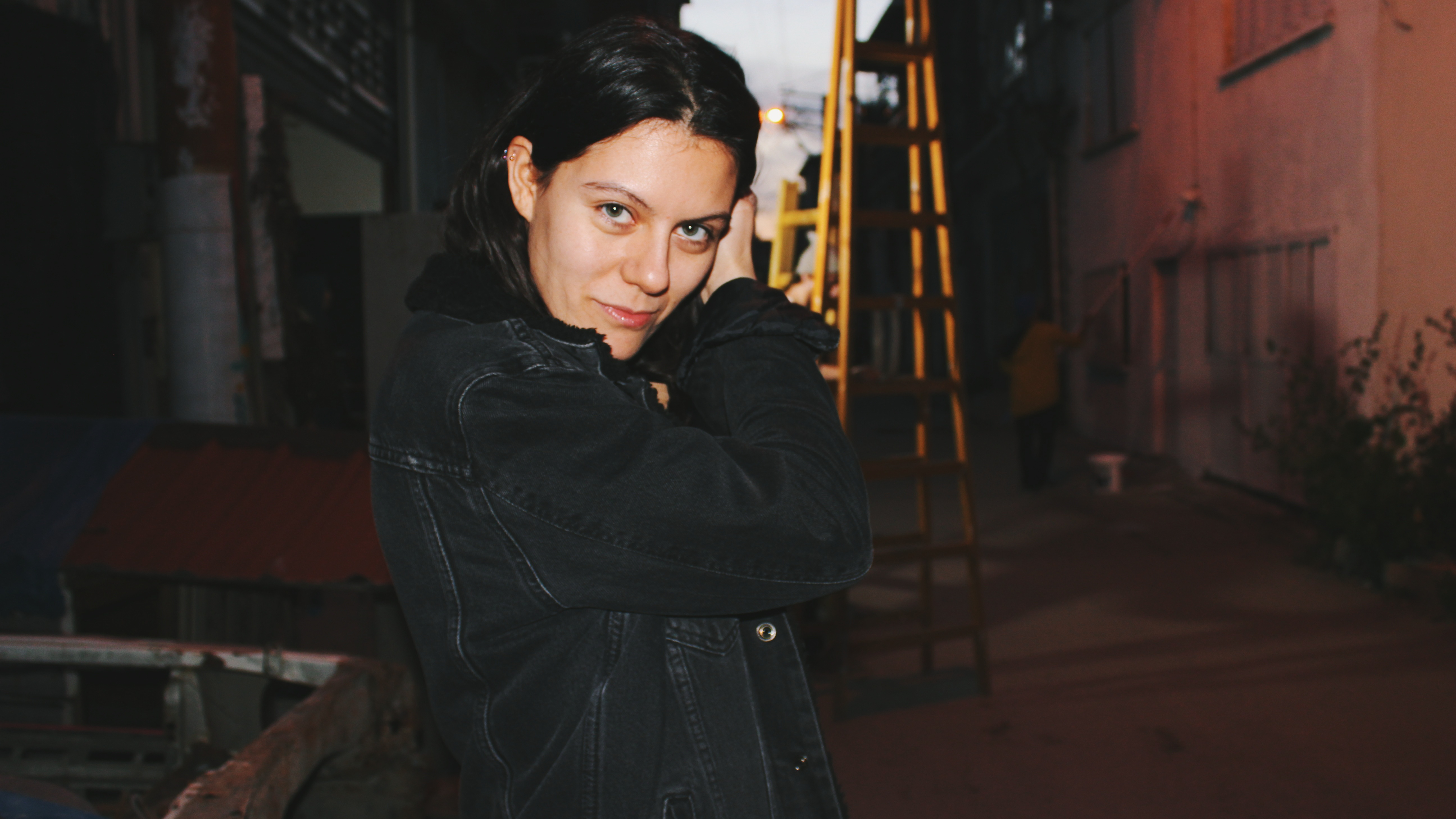
Paul Mobley and Ian Spanier have much in common: from starting their respective careers in New York City before relocating to the West Coast, to their knack for forging a human bond with portrait subjects, to an unrelenting drive to generate ambitious commercial assignments while being equally dedicated to complex personal projects.
Above Photograph © Ian Spanier
In today’s podcast, Paul and Ian compare notes on their photographic journeys from coast to coast, while discussing their shared inspiration for 20th century portrait masters such as

Posted
Photographer Marina Williams, known for her colorful and creative portraits, had the opportunity to test the Canon EOS R6 Mark III. Marina reflects on her creative journey and explains why the EOS R6 Mark III is a worthwhile upgrade for photographers.
0:00 - Intro
0:45 - About Marina
8:40 - Creative direction & styling
13:38 - Get variety & posing
16:03 - Marina's work today
18:39 - Upgrading to the Canon EOS R6 Mk III
20:39 -

by Mathew Malwitz · Posted
Good lighting is essential to creating a strong, visually pleasing image. This is as true for naturally lit outdoor shots as it is for studio portraits. For individual or even couples portraits, many photographers make use of on-camera flash or compact, battery-powered strobes to supplement natural light and fill shadows, but how do we situate these in the scene? What light shaping tools should we use? Groups alone can be tricky for a plethora of reasons. Whether it be getting everyone to smile, getting kids to look at the camera, or the

by Luke Rollins · Posted
Macro photography never ceases to amaze me. Show me the face of a jumping spider reproduced at life-size or greater and I’ll undoubtedly stop what I’m doing and stare at it for a while. What’s interesting is how ultra-wide-angle lenses, which are available for DSLRs and

by Mathew Malwitz · Posted
The most engaging portraits seem to have direct eye contact between subject and viewer, as if the camera were simply a window through which we’re looking. But is it that simple? So much goes into making a good portrait, can success simply come down to eye contact between subject and camera and is it even necessary to concentrate on the eyes for a portrait? There are certainly wonderful portraits that do not focus exclusively on the eyes that illustrate character with other aspects of the body, from posture to hands, but as an introduction to
by Luke Rollins · Posted
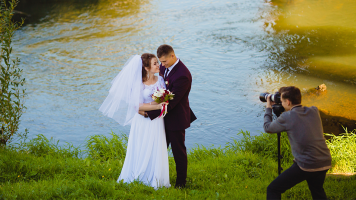
Many hobbyists reach a turning point in their craft when they decide to pursue wedding photography seriously. With the transition to pro comes the task of updating your lens kit accordingly, and most photographers would agree that investing in quality glass is essential. Unlike the rapid turnover of camera bodies, lenses will last for years and can make all the difference in creating quality images. Understanding what some of the best available options are will help you invest appropriately.
What to Consider
Weddings are long affairs, often