Photography
- Recently Added
- Popularity
- Name
About 426 filtered results

Posted
Professional photography Tony Gale is back with an in-depth guide to camera and lens buying, specifically for Sony cameras and lenses. What is the difference between a full frame vs. crop sensor? Should you get a prime or zoom, wide angle or telephoto? What type of lens is perfect for wildlife, portraits, street photography, etc.? Gale answers all these questions and more!
Are you a Sony fan? Use the Comments section below to share with us what’s in your kit.

by Todd Vorenkamp · Posted
Often, we need to add extra light to a scene to ensure we have enough light to create an image, freeze movement, or simply enhance the scene for the sake of the photograph. The primary way photographers do this is by using a flash.
The electronic flash has been around since 1931 and, today, there are several variations—all with different potential uses for the photographer. Here, we will take a quick look at the types, compare them, and discuss the benefits of each type.
Terminology Basics
Before we dive into flash types, let’s get familiar

by Mos Khan · Posted
As each year goes by, smartphone cameras keep getting better, and this also means more and more people have access right at their fingertips to a powerful camera. Social media platforms such as TikTok, Instagram, and Facebook wouldn’t be as big as they are without the proliferation of smartphone photography. Still, even with the impressive improvements that have put these mobile cameras in competition with traditional camera systems, there are times that they show their limitations. This is why many companies have been developing mobile photo
by Bjorn Petersen · Posted
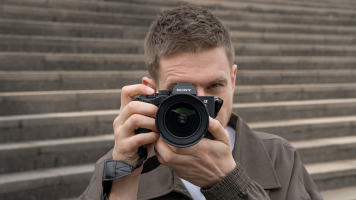
During a solid year of camera and lens development, Sony had a productive 2021 that saw a great deal of attention given to the prime lens. With six primes and one zoom being released over the past 12 months, Sony made a concerted effort to release some tempting, but humble, compact prime lenses along with some more high-end and fast G Master lenses. The brand has clearly reached a level of maturity at which it is filling in the gaps with more specialized and unique lenses, as well as updating some of the classic lenses with faster design and
by Bjorn Petersen · Posted
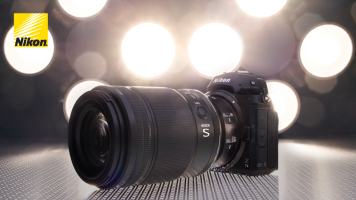
Going all-in on mirrorless, Nikon spent its 2021 rounding out the Z system with new cameras and lenses. Focusing on the lenses, Nikon split its attention between both specialized and longer glass, along with some new compact options for FX and DX formats. Along with the lens releases from the past couple of years, it’s interesting to see Nikon’s mirrorless system mature and to see all the staple lenses from the SLR days finally become available with new, updated designs specific to the new Z platform. Let’s look at Nikon’s lens releases from

by Bjorn Petersen · Posted
With another year dedicated to mirrorless, Canon had a productive 2021 regarding lens releases, with seven new optics added to its rapidly growing RF system. The brand’s releases this past year straddle both ends of the focal length spectrum, with a few falling into the ultra-wide-angle category and a few hitting the telephoto and super-telephoto sweet spots for which RF shooters, especially those who picked up the new EOS R3 this year, have been pining. Let’s dive into Canon’s lens releases from 2021.
RF 100mm f/2.8L Macro IS USM
Maybe the

by John Harris · Posted
Whether you want to photograph your pets, pamper them, study them, or memorialize them for eternity, B&H has a wide array of gifts that will appeal to animal enthusiasts. Let’s have a look at a few possibilities.
Fisheye Lenses
Not for fish, but perfect for taking fun pictures of your dog, cat, or bunny rabbit. Extreme wide perspectives from a fisheye lens create pet portraits with exaggeratedly long noses and elongated whiskers. They are also great for capturing action shots, like a dog in mid-frisbee jump. Check out these screw-on

by Bjorn Petersen · Posted
Just as mirrorless is now the dominant camera type, full frame is now the dominant sensor size. It wasn’t too long ago when full-frame cameras were seen strictly as tools for professional and high-end photo applications due to their expense and the associated feature sets that were part of the complete full-frame camera system. Over the last few years, however, full-frame options have begun to trickle down to the middle tier of interchangeable-lens camera development, with some instances placing entry-level full-frame cameras right alongside
by Cory Rice · Posted
Ah, the first camera. Few things spark more passionate reverie in photographers than the camera that got them hooked on making pictures. But what kind of camera should that be? Below are a few suggestions for you or someone you know who is just getting started. There are many, many, many more great cameras than can possibly fit into a single article on this topic, so be sure to browse online or visit in store if you are looking for more options.
Mobile Device Accessories
Among the consequences of the overwhelming popularity of mobile

by Bjorn Petersen · Posted
A pioneer of full-frame mirrorless, Sony has expanded its system into a full-fledged lineup that caters to all varieties of image makers. No longer a niche market, Sony recognizes the value and versatility of a full-frame sensor: Its large form factor yields excellent image quality, it’s the same size as 35mm film for a sense of familiarity, and it’s still small enough so the overall camera size remains portable and compact.
Now that Sony has a grip on how to use full-frame sensors, and has released such a bevy of different cameras over the

by Jill Waterman · Posted
No matter how many lenses a photographer has, there are often added lenses we still wish for, and even more lenses after which we lust.
There are so many options that choosing your next lens can often involve a dizzying cavalcade of choices—manufacturers, focal lengths, prime or zoom functionality, auto or manual focusing, and price. Below, we offer up some thoughts on what your next lens might be based on your shooting preferences and needs.
To keep things simple, our suggestions are based on the use of a full-frame camera—those seeking a

by Bjorn Petersen · Posted
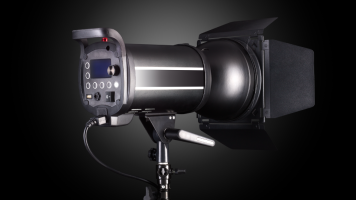
The ZV-E10 is Sony’s latest take on a camera purpose-built for vlogging. As also announced, it’s a mirrorless camera that inherits many of the sensor-based attributes of the Alpha line, along with the feature-set of its compact, vlogging-intended sibling, the ZV-1. It’s a great hybrid offering, but how does it

by John Harris · Posted
Sports photography is a true test for cameras. Perhaps more than any photo discipline, shooting sports photography leaves you little opportunity for a second chance and demands that your camera works at peak efficiency. I’ll save the classic caveat that you can shoot any subject with any camera for another article, and while I encourage all photographers to start with the camera they have, there should be little argument that cameras with a fast burst rate, good buffer depth, fast and accurate autofocus, a compatible lineup of telephoto lenses
by Todd Vorenkamp · Posted
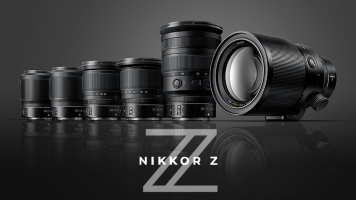
When building a new mirrorless lens system like the Nikon Z system, camera manufacturers quickly learned that in order to get novice and seasoned pro photographers to switch to the new system, they needed to back up that system with premium optics quickly. Not only do they have to start producing topflight lenses, but they need to show a “lens roadmap” that gives