We’re back from our break and ready to break down all of the products that were released while we were away—including new gear from DJI, Panasonic, and Profoto—as well as some exciting announcements and big product releases from Canon, Sennheiser, Apple, and much more! Let’s jump right in.
DJI Enhances Night Flight
Adding to their robust drone lineup, DJI introduced the Air 3S, to facilitate dynamic night-time footage. The Air 3S features a new, forward-facing LiDAR sensor which improves the night flying capabilities of the drone. The sensor is fully integrated into the omnidirectional APAS avoidance and return-to-home function, ensuring that you can return your drone safely even after the sun sets.
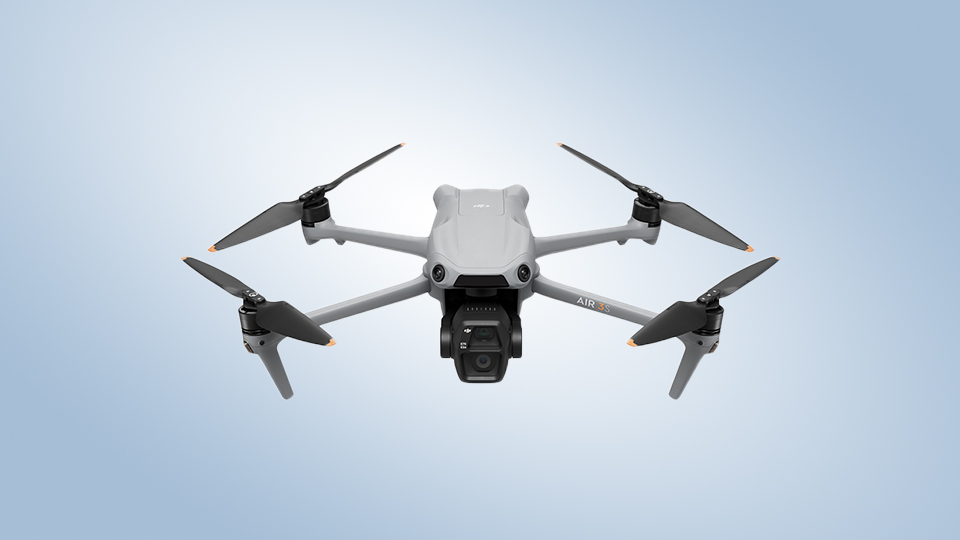
Like its predecessor, the Air 3S has a dual-camera system with 24mm wide-angle and 70mm telephoto options. These cameras boast a 1” CMOS 50MP sensor and 1/1.3” CMOS 48MP sensor, respectively, for up to 4K60 HDR video with 14 stops of dynamic range. Choose 10-bit D-Log M with H.265 encoding and HLG for increased brightness and more detail in low-light scenarios. Shoot 2.7K vertical video for social media and take advantage of subject tracking, automated flight paths, and complex maneuvers. A wide variety of MasterShots and QuickShots options expand the pre-programmed options of the Air 3S. Its compact design makes for easy transportation on your next trip.
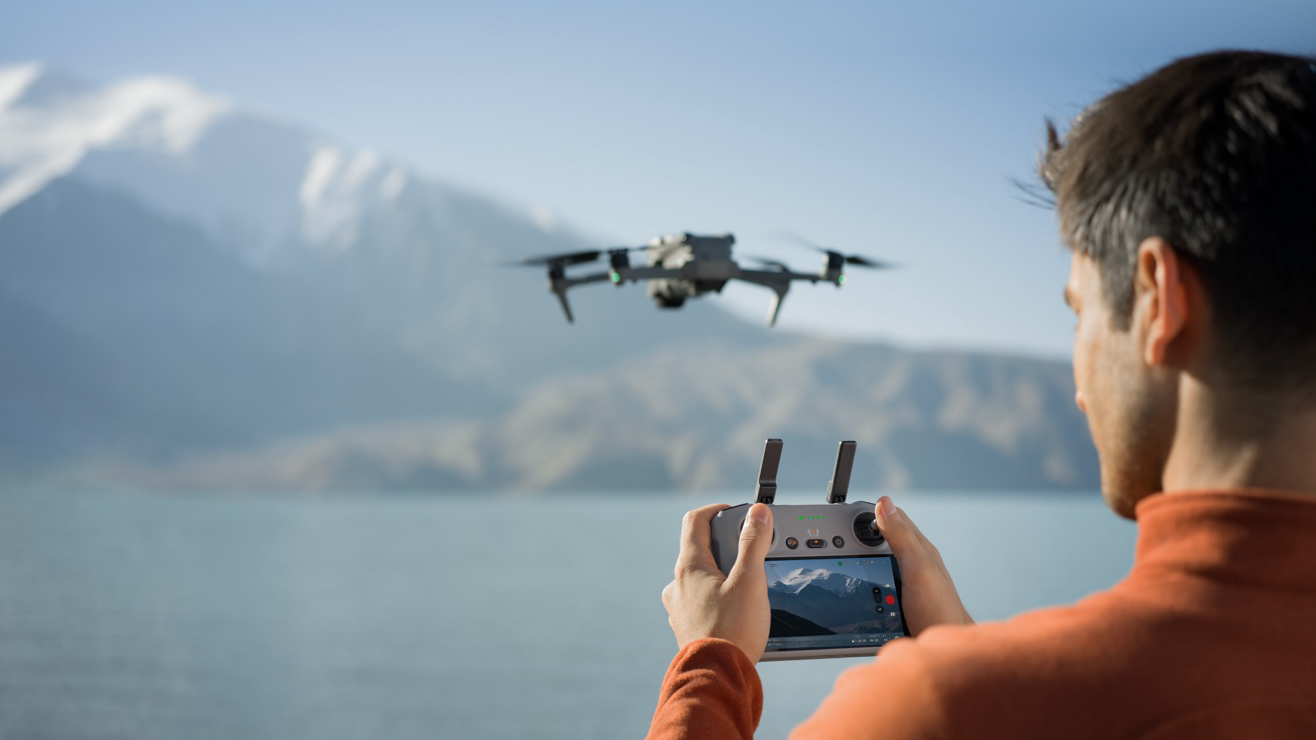
The Air 3S comes in both a standard version and Fly More Combo like most DJI drones. The standard version, in this case, includes the RC-N3 remote controller and intelligent flight battery which help you utilize your smartphone as a controller for up to 3.5 hours or 1.5 hours when charging your phone simultaneously. There is also the option to upgrade to add the upgraded RC 2 controller to your configuration. Sunset chasers looking for a portable drone to take advantage of their continued adventures will be pleased with these improvements with the Air 3S.
New Camcorders from Panasonic
Capture family events, travel content, and other memories with the ultracompact camcorders from Panasonic. The HC-V900 and the HC-VX3 both have similar form factors, precision autofocus, and 5-axis image stabilization, but offer different recording qualities. Additional hardware similarities include a ½.5” BSI MOS censor, 4.12 to 98.9mm focal length lens, f/1.8 maximum aperture, and a 24x optical zoom. These features, along with a flexible angle of view range, ensure you don’t miss any of the action. High precision autofocus and 5-axis Hybrid O.I.S+ maintain clear blur-free video while in motion or low-light conditions.
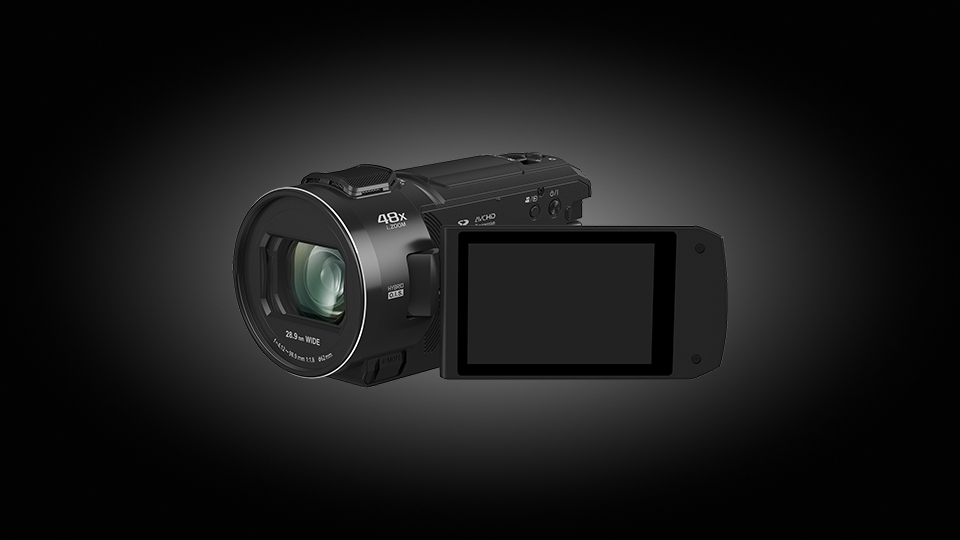
Where the two camcorders majorly differ are their recording capabilities. The HC-V900 can shoot up to 1080p60 video, while the HC-VX3 can shoot up to 4K30 video. The HC-VX3 also allows you to edit 4K videos onboard by zooming in, correcting camera shake, and following your main subject, while saving the final product in 2K.
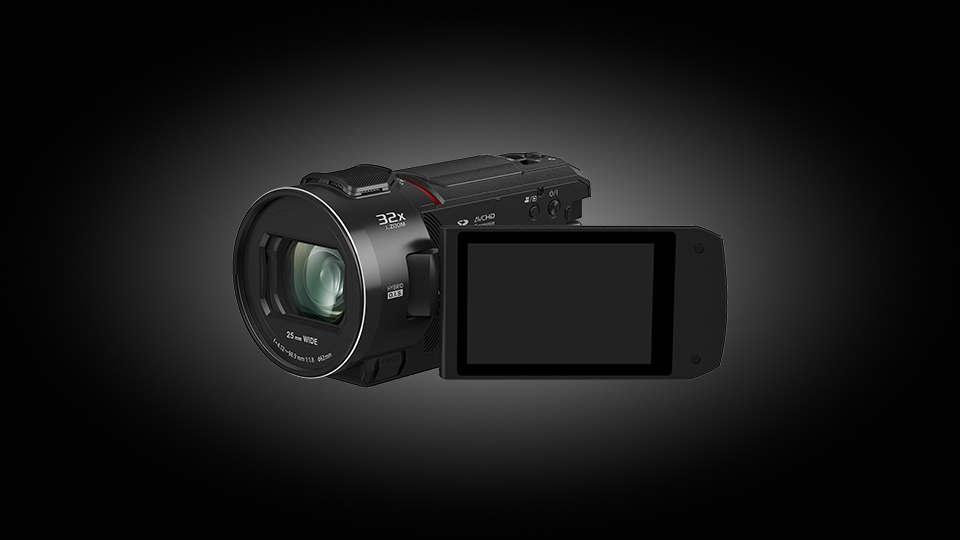
Connectivity wise, both cameras have micro-HDMI, USB-C, and headphone ports for monitoring the audio from the integrated microphone. The HC-VX3 also features a 3.5mm line input to connect to an additional audio source. Flip-out LCD touchscreens allow you to easily monitor your images, and ergonomically designed grips make for comfortable shooting. If you need the 2024 version of home movies, these camcorders are intuitive and easy to start creating your archive.
Canon’s New Hybrid RF Lenses
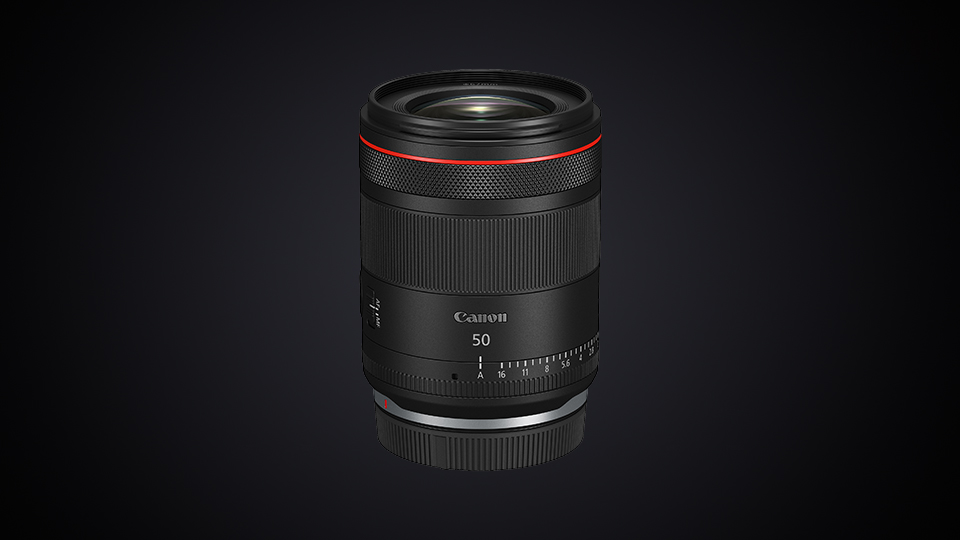
To better support its hybrid video and photo shooters, Canon has come out with three focal lengths in their hybrid RF lens series. The RF 24mm f/1.4 L VCM Lens, RF 50mm f/1.4 L VCM Lens, and RF 70-200mm f/2.8 L IS USM Z Lens combine fast performance and intuitive design essential for both photo and video applications. Lenses in the hybrid series are designed to be fast, optically refined, and eliminate nearly all focus breathing.
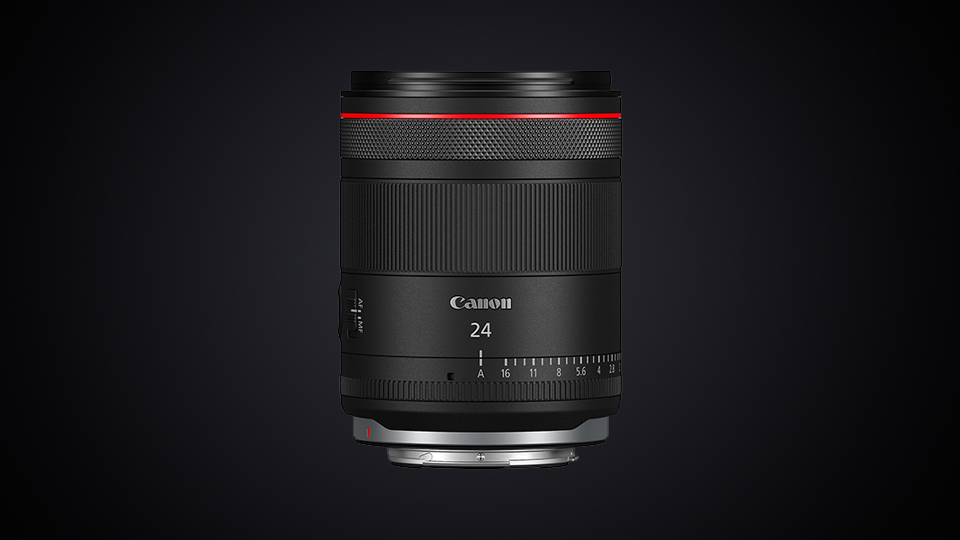
The primes in this drop provide additional focal lengths around the preexisting 35mm option for wider and narrower options with the same f/1.4 speed for low-light shooting and depth of field control. The 24mm is perfect for landscapes and establishing shots, while the 50mm is a classic focal length versatile enough for both wide shots and portrait photography. Both have manual iris rings, a Voice Coil Motor linear AF system, and a Nano USM AF system to adjust floating elements which maintain sharpness throughout your image. The VCM rear focusing system features low-noise and smooth movements for improved video shooting. Programmable lens function buttons on both lenses offer customization of your workflow.
The 70-200mm lens has a similar overall design but with some new tech to enhance the operating experience. An all-internal design is ideal for sports photographers covering dynamic action or gimbal shooters who need consistent balance. The zoom gear also boasts a shorter throw for quicker switching between the extremes of its focal length range. Other features include a manual, lockable iris ring, two customizable lens function buttons, and a customizable control ring. If you need more nuts-and-bolts, the zoom is compatible with PZ-E2 and PZ-E2B Power Zoom Adapters, 1.4x and 2x RF Extenders, and Nano USM AF motors. The lens can easily be used by both C400 and C80 shooters or R1 and R5 Mark II users.
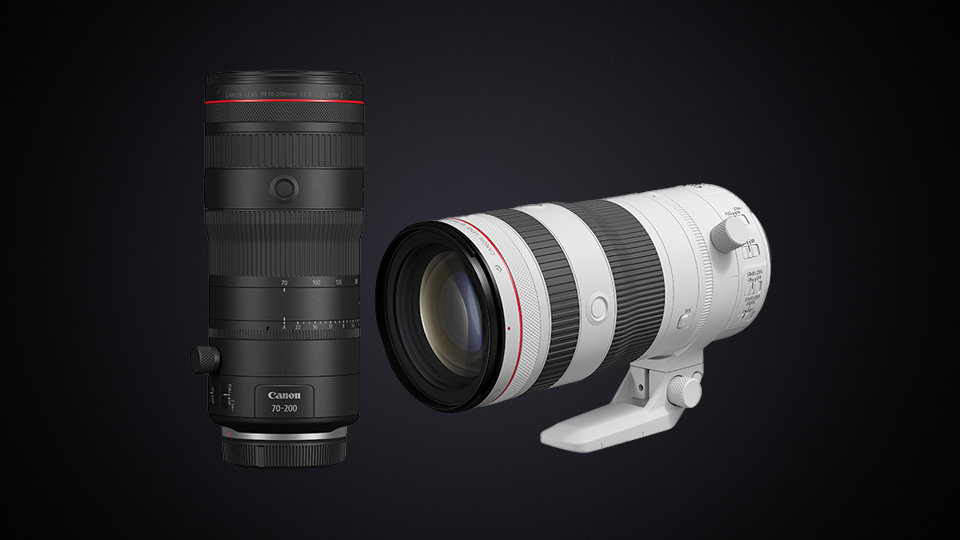
These new focal lengths add to an already reliable hybrid lens line to better round out solo shooter configurations relying on the tried-and-true Canon name.
Profoto Delivers Powerful Lighting in a Small Form Factor
As they always say, good things come in small packages, and the Profoto D30 500Ws Monolight is no exception to this rule. The AC-powered studio light can output 500Ws in an 11 f-stop power range and features three distinct flash modes—Eco, Boost, and Freeze—just like the ever-popular Pro-D3. Eco keeps your colors consistent while consuming less power, Boost provides additional brightness, and Freeze mode achieves durations as fast as 1/21,100 sec to eliminate motion blur.
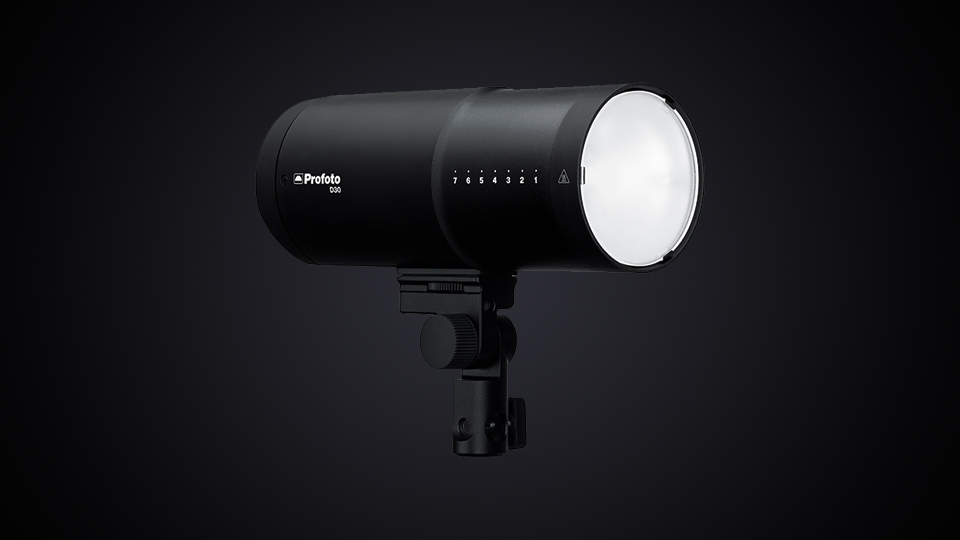
The 11 f-stop power range works in 0.1 increments for ultimate control over your lighting experience. Built-in High-Speed Sync helps when shooting with wider apertures, and the AirX connectivity works via 2.4 GHz frequency bands for improved wireless trigger performance. A included bi-color 35W LED modeling light helps match your lighting environment with a variable 2800-700K CCT and reaches 3800 lumens with a CRI of 94. This will help you better envision how shadows will appear on your subject matter during shooting.
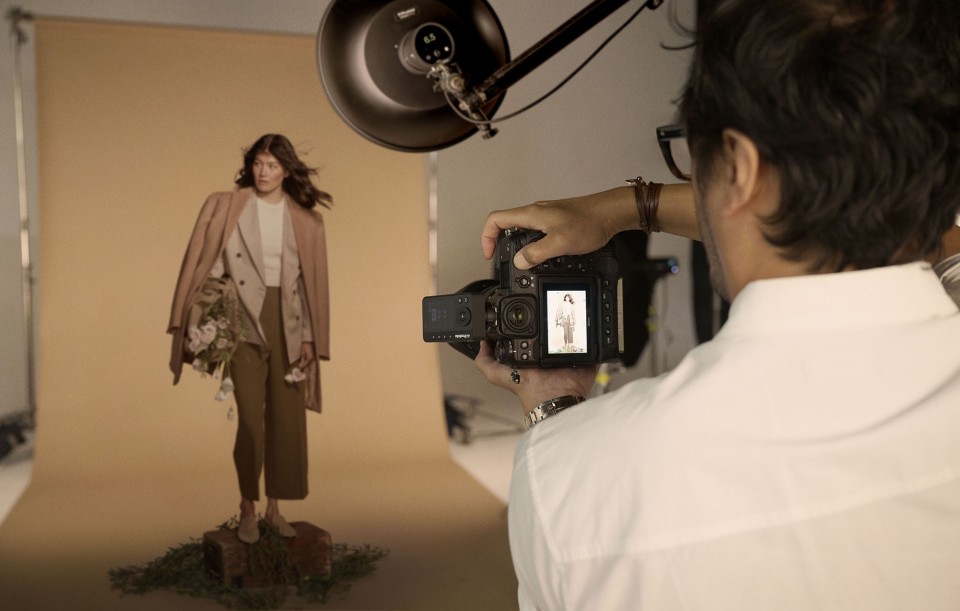
Further customize the look of your D30 thanks to its replaceable flashtube, control via Air Sync, TTL, HSS, and other protocols, and compatibility with hundreds of light-shaping tools. A 100mm front mount can attach light modifiers. Multi-voltage circuitry keeps the light running no matter the location. Adjust your settings with the onboard display or external controllers. Bluetooth technology connects the light to Profoto Camera and Profoto Control apps. The D30 fills in a necessary hole in the Profoto monolight lineup, offering a less punchy version of the Pro-D3 with the same reliable performance, at about half the price.
Enter the Profile Wireless System from Sennheiser
We’ve seen a lot of advancements in the wireless microphone world to better accommodate content creators in their social media endeavors, but we haven’t seen a ton of innovation in the form factor of these systems. Sennheiser decided to answer the call for newness with the Profile Wireless System. While the system maintains the typical receiver and transmitter configuration we know so well, it also features a new, dual-purpose Wireless Charging Bar and Handheld Microphone Transmitter which charges the components and allows you to record audio in a familiar, handheld format.
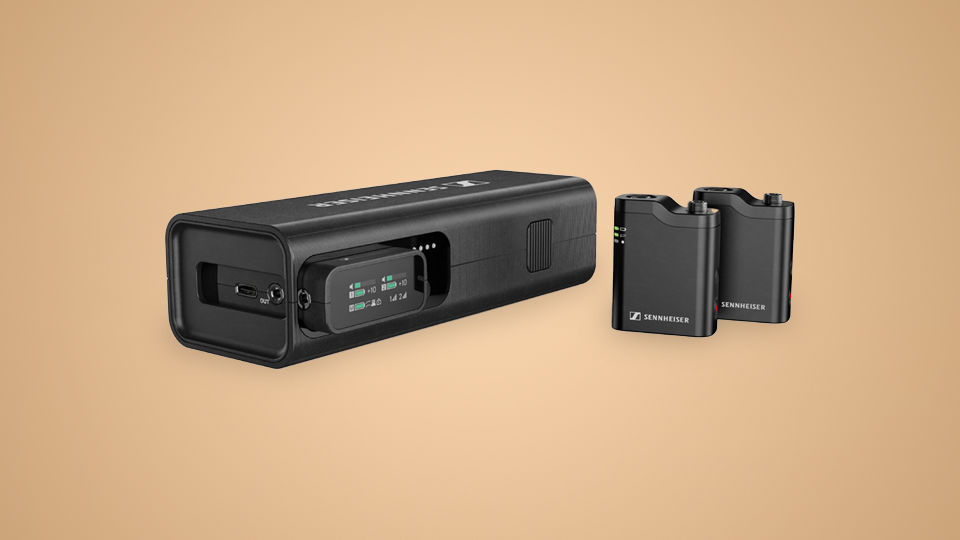
The system itself consists of a dual-channel receiver and two clip-on microphone transmitters that communicate via 2.4 GHz technology from up to 803.8’ away. The receiver features both 3.5mm analog and USB-C digital audio outputs for connectivity with mirrorless cameras and mobile devices. A wide array of connectivity can also be achieved using the ecosystem’s USB-C adapter, Lightning adapter, and 3.5mm TRS to TRS cable. But the big selling point of the system is the Wireless Charging Bar and Handheld Microphone Transmitter. The bar itself charges the receiver and transmitters simultaneously to extend their runtime an additional 11 hours. It also functions as a handheld omnidirectional microphone/transmitter with a familiar form factor for interviews and Q&As. Use the ¼”-20 thread at the bottom to convert it to a desktop microphone for livestreaming and gaming.
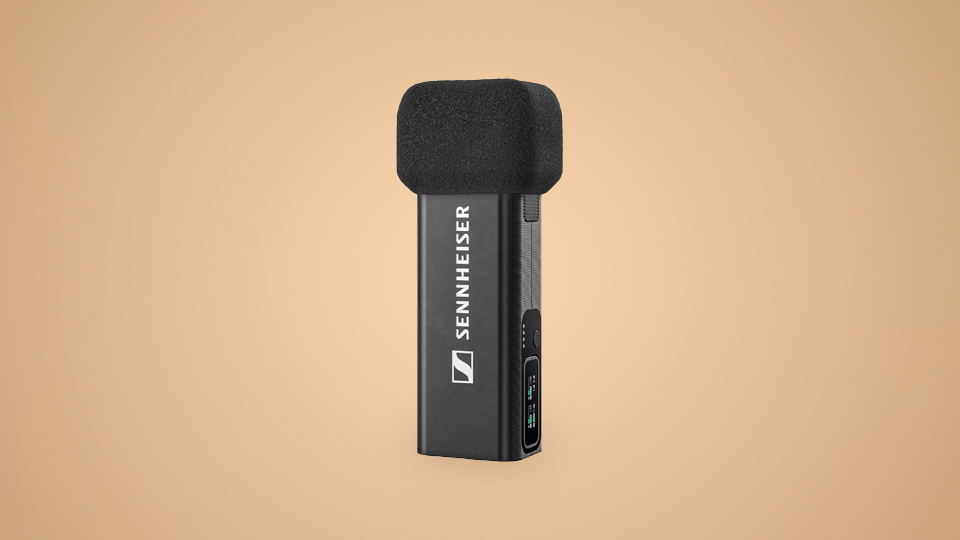
Toggle Safety Channel Mode to output audio at a selected sound level in one channel and at a lower level in the other channel, preventing distortion and clipping in unpredictable environments. The transmitters also have 16GB of internal storage for backup recording. Additional mounting accessories secure the receiver to your camera’s cold shoe or transmitter to your talent. Windscreens are available for both the transmitter and charging bar microphones, and a pouch can carry the entire system. The system has clearly been designed with content creators in mind, all while delivering the same audio quality we have some to expect from Sennheiser products.
Apple Upgrades the iMac
Keeping in theme with its yearly updates, Apple has announced its new line of iMacs, which feature the M4 operating chip and Apple Intelligence. We’ve already heard of the wonders Apple Intelligence is bringing to Apple’s compact devices, and its introduction into the iMac is no different. Expect powerful generative models and industry-first privacy protection, along with rewriting, proofreading, and other text-based tools. Siri now offers enhanced assistance with both spoken and typed requests. On the horizon, new features like Image Playground and Genmoji are expected to be added, just in time for the holiday season.

The M4 chip is really the star of the show here, boasting enhanced productivity and stronger performance for photographers and gamers alike. The M4 is three times faster than the M1 to accommodate these AI advancements. On top of this, the integrated GPU ensures smooth gameplay for pristine performance on the 24” 4.5K Retina display.
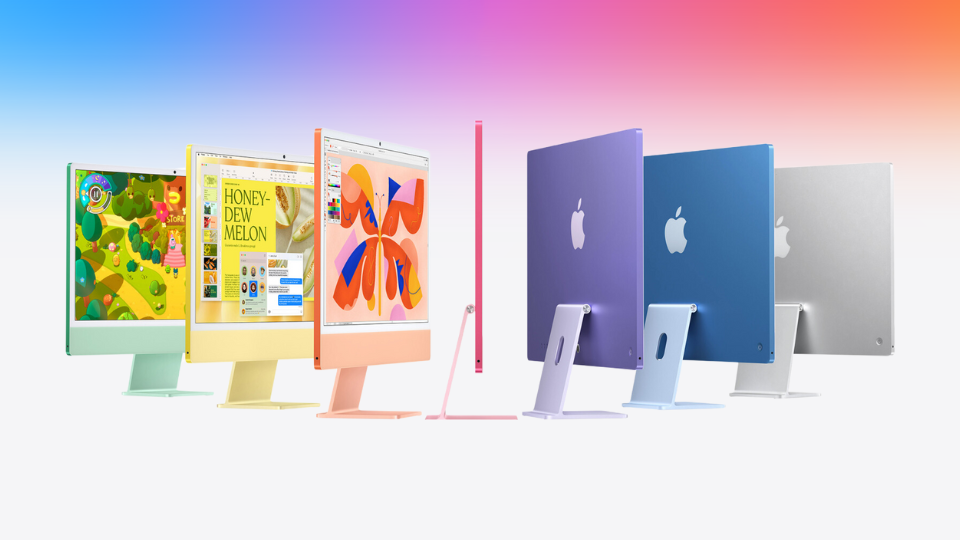
Additional features of the new iMacs include multiple Thunderbolt 4 USB-C ports, support for up to two external displays up to 6K, and Wi-Fi 6 and Bluetooth 5.3 wireless connectivity. Touch ID is also integrated into the iMac’s Magic Keyboard to access user-specific settings, pay with Apple Pay, and facilitate downloads. The camera built-in to the display now has a 12MP sensor for higher quality Zoom calls. Tools like Center Stage and Desk View provide views of all your meeting participants or utilize a wide-angle lens for top-down desk views. A triple-microphone array with beamforming technology and six-speaker sound system captures and delivers crisp audio.

Even better, the new iMacs come in seven new colors to fully capture the rainbow, along with the classic silver of course. Each model comes with a color-matched keyboard, mouse, and the option for a trackpad, all with USB-C connectivity. Choose between 8-Core CPU, 8-Core GPU, 16 GB of unified memory, 256GB of storage, two Thunderbolt 4 ports, and the non-Touch ID Magic Keyboard or upgrade to 10-core CPU, 10-core GPU, 32GB of unified memory, 2TB of storage, four Thunderbolt 4 ports, and the Magic Keyboard with Touch ID. Creators and professionals alike will appreciate the upgrades that are coming to an already tried-and-true system.
Nikon Teases a New Zoom Lens
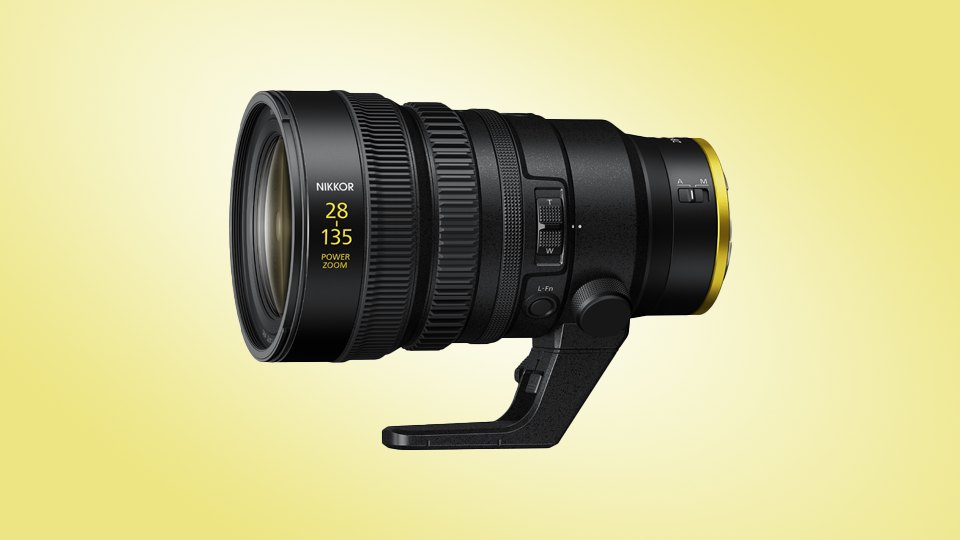
In a press release on Tuesday, Nikon has announced it is developing the NIKKOR Z 28-135mm f/4 PZ Lens. This new power zoom lens will add to its growing line of full-frame mirrorless camera lenses that utilize the Nikon Z mount. Its wide focal range will prove valuable in run-and-gun scenarios like documentary shooting and solo cinematographers needing a versatile lens. We’re excited to see what additional optical considerations will come with this new release!
I think we got it all! A nice mixture of what we missed and what there is to look forward to. Hope to see you back next week for more new products and releases.