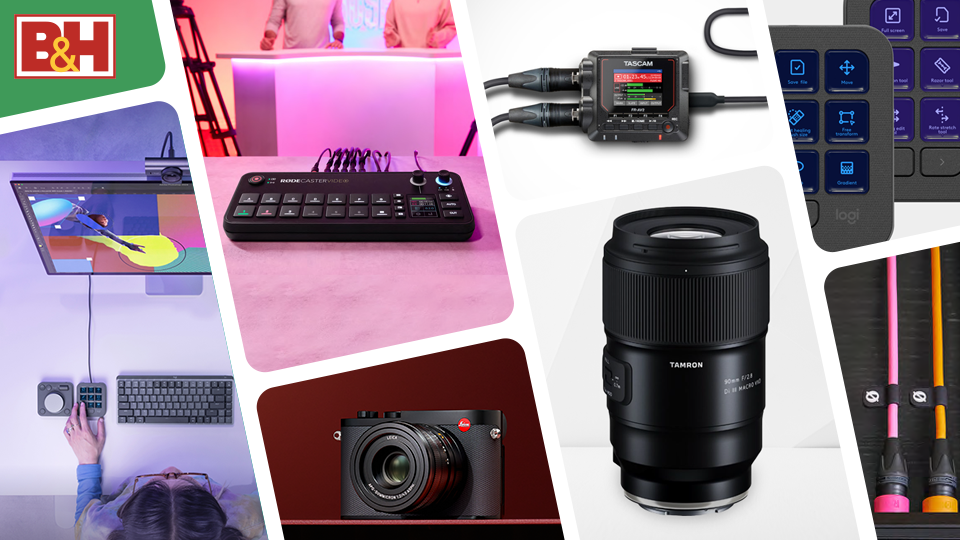
This week was packed with product announcements too exciting to ignore, so we’re giving them all a chance to shine in this week's roundup. RODE entered the video world with the new RODECaster Video All-In-One Production Console. Leica added a 43mm lens to the Q series with the Q3 43. Logitech gave editors an intuitive control interface with the MX Creative Console. TASCAM added the FR-AV2 to its portable recorder lineup. Tamron released the new 90mm f/2.8 Di III VXD Macro Lens.
RODE Brings Video to its RODECaster Line
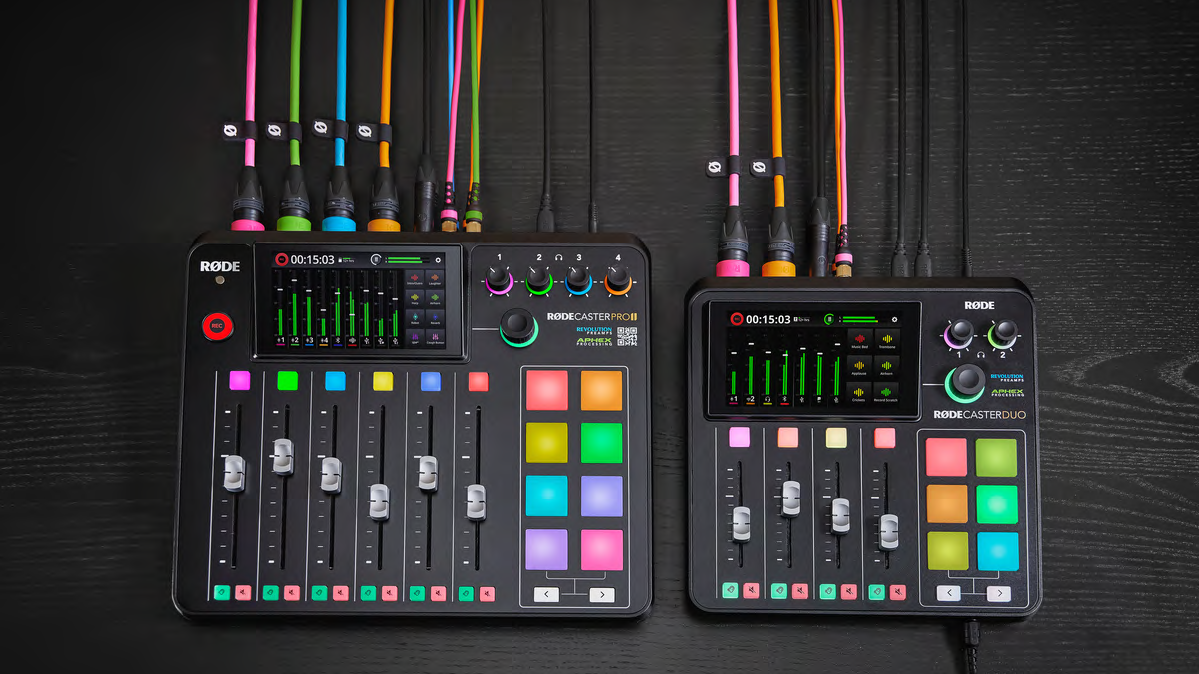
RODE has proven time and time again with its RODECaster interfaces that it’s putting the needs of content creators front and center, whether it be livestreaming, podcasting, gaming, or musicianship. Now, they’re taking it up a notch and entering the video switcher foray with the RODECaster Video All-in-One Production Console. Their aim? Streamline a traditional switcher workflow into a more intuitive, single-operator machine with the same tried and true audio performance we have come to know them for. And so far, it looks like they’ve succeeded.
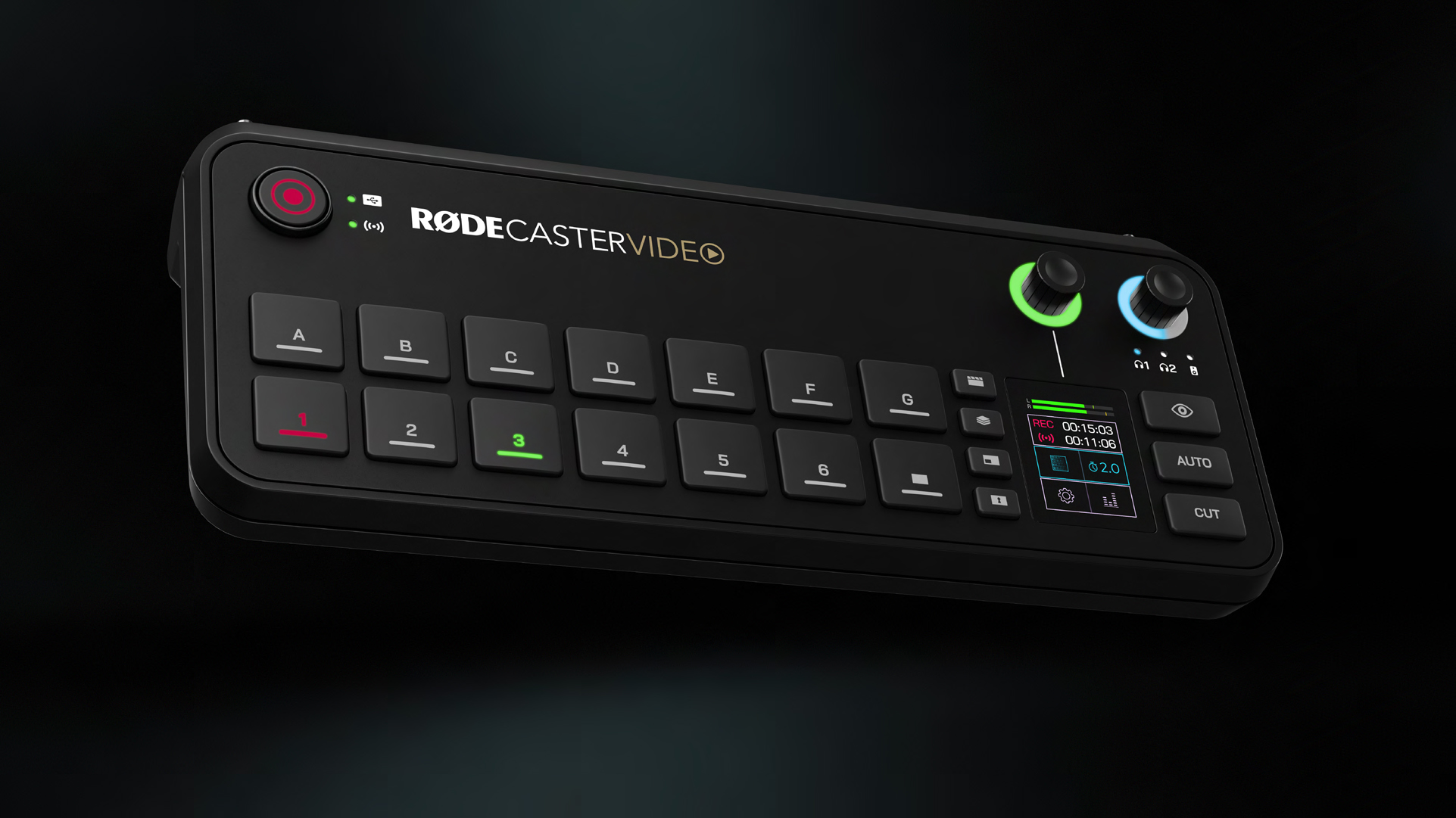
Outfitted with HDMI, USB-C, and even Wireless connectivity, the RODECaster Video supports up to six 1080p60 video sources and up to 20 analog and digital audio sources or nine stereo channels to create a complex ecosystem of devices. Nine mix-effect layers can simultaneously display both preview and program views. Customize and get creative with your live feed using the two downstream keyers to toggle overlays and logo, two chroma-keyers to toggle between backgrounds, and the two media players for simultaneous MP4 video, photos, or WAV audio from a microSD card. Create and save seven custom scenes with multiple layers and recall them at the touch of a button.
Of course, RODE hasn’t neglected its claim to fame. The RODECaster Video has extensive audio features to ensure professional production. Two studio-grade combo XLR-¼” jacks on the console boast Revolution Preamps for pristine audio capture. Digital USB-C ports connect RODE USB microphones or additional interfaces like the RODECaster Pro II or Duo Audio Production Studios. Internal wireless receivers accept audio from your Wireless GO II or PRO wireless microphone systems. Aphex VoxLab audio processing is integrated into the RODECaster Video to provide it with a plethora of audio effects and preamps for each channel.
On top of its connectivity options, the RODECaster Video has created an intuitive control layout with streamlined options for improved beginner operation over more complicated switchers. Unlike other switchers, the console prioritizes scene-based switching for quicker access to dynamic content without needing to access complicated settings. Automatic chroma keying, two internal video players, and a slew of graphics and media buttons help trigger various features to enhance your live event.
One of the most innovative features is the Inspect button which gives you a detailed snapshot of what input is assigned to each button, along with any additional media, graphics, and layout information. When pressed, your settings remain intact without fear of overriding your presets. Auto-switching is another key component of the console for seamless and hands-free switching between sources using your audio inputs. Intelligent level detection figures out which input audio is coming from and switches to the corresponding visual.
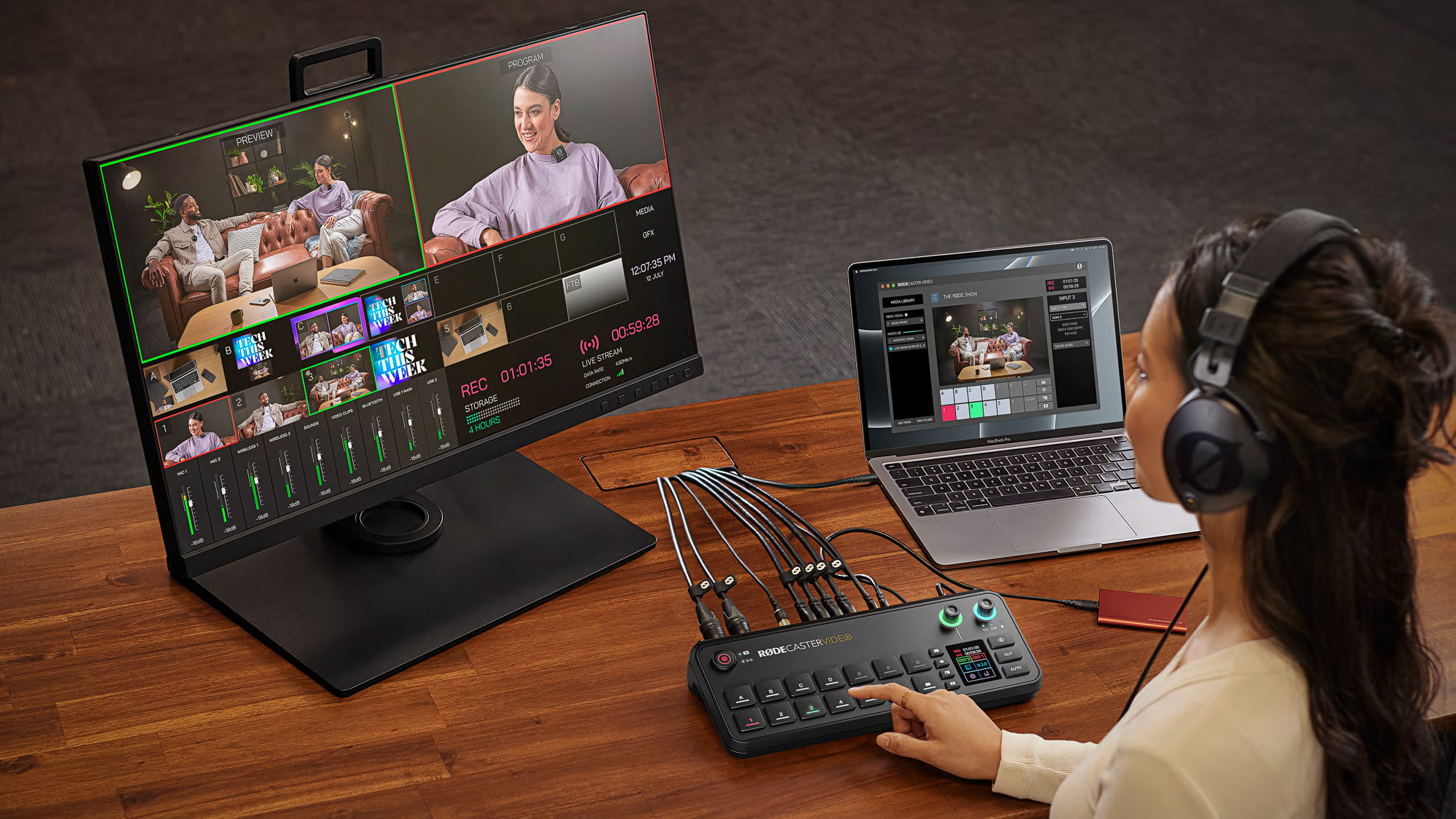
Whether it be filming your next podcast episode, live-streaming on Twitch, or shooting a cooking show, the RODECaster Video provides you with the essential tools for professional-quality video and audio switching. RODE is offering an alternative product to potential Blackmagic ATEM Mini buyers with this new release by offering an alternative with a streamlined interface and bolstered audio performance.
Watch Now: RODECaster Video: Revolutionize Your Video Production!
Leica Extends the Q3’s Reach
Now with a longer focal length, the Q3 43 Digital Camera has the same 60MP full-frame CMOS sensor but with a Summicron 43mm f/2 ASPH lens. This provides portrait photographers and casual shooters with a narrower perspective which creates a more natural result. Not to mention its versatility, capable of capturing vast landscapes to street portraits, as well as a dedicated Macro position for close-ups.
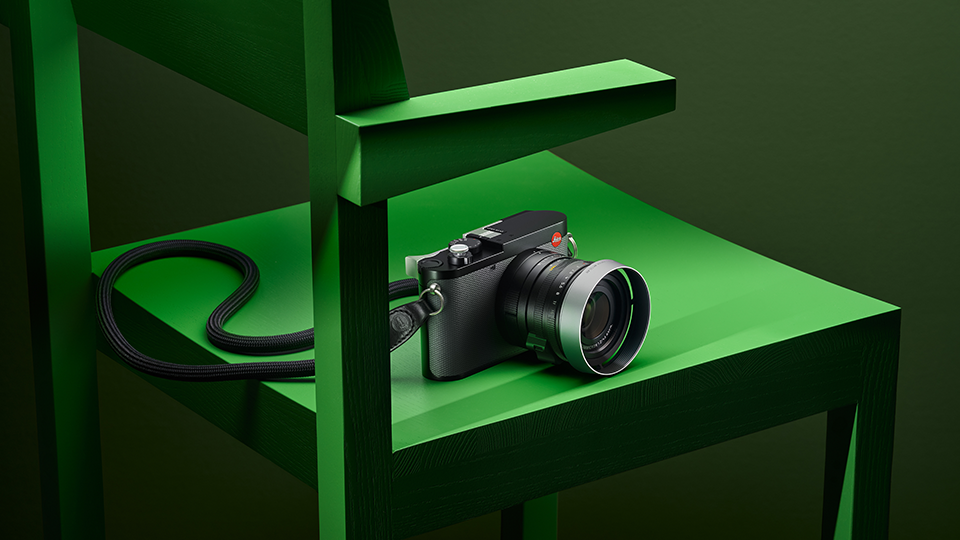
Like the original Q3 model, the Q3 43 is capable of digital zoom to simulate the look of different focal length lenses. Use 1.4x crop to simulate 60mm, 1.7x crop to simulate 75mm, 2x crop to simulate 90mm, 2.8x crop to simulate 120mm, and 3.5x crop to simulate 150mm. Triple resolution technology allows photographers to toggle between 60MP, 36MP, and 18MP outputs while taking full advantage of the sensor area at 14-bit color and a 14-stop dynamic range. The Q3 43 ensures high-performance still and video recording with ultra-fast processing speeds.
The lens itself has an apochromatically-corrected design for reliable color accuracy without aberrations. Aspherical elements within create high sharpness, low distortion, and high-contrast imagery. A hybrid autofocus system uses phase-detection and contrast-detection with defocus AF for more accurate focusing with moving subjects or in varied lighting. Phase detection also facilitates intelligent subject recognition to detect and track eyes, faces, bodies, and even animals. The lens and camera work in tandem to capture up to DCI 8K video with ease.
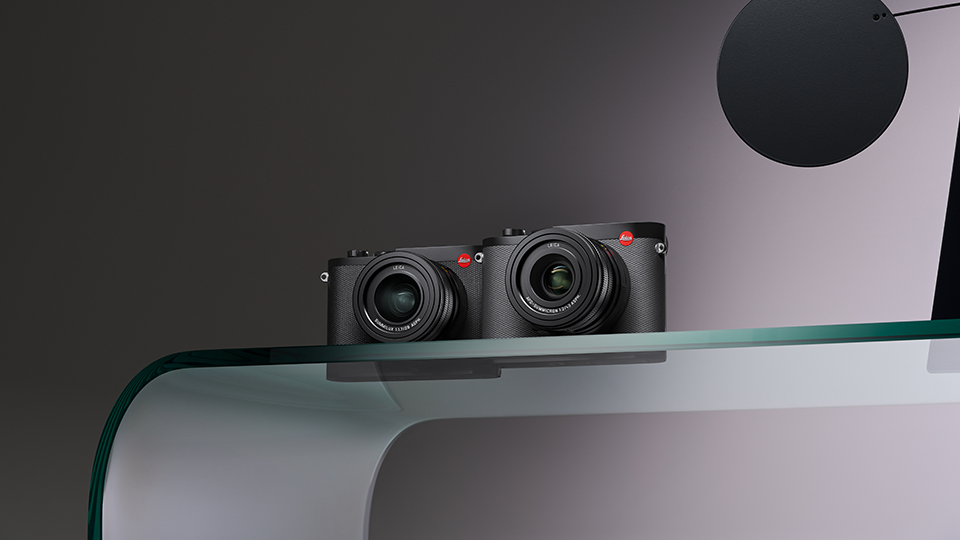
Along with the extended lens, the Q3 43 has additional updates to both its internal features and external body design. The camera can now work with RODE microphones using its USB-C connection for improved audio recording. An additional USB-C port can transfer photos, tether the camera to your computer in the studio, facilitate power delivery, charge the battery, and even connect to your iPhone. A new electronic viewfinder and rear LCD improve your framing experience. Higher-capacity batteries extend its runtime in the field and the body itself has been sealed to protect against both dust and moisture. The wireless technology built-in to the Q3 43 has been upgraded to dual-band WiFi and Bluetooth 5.0 which work in tandem with the Leica FOTOS app for 10x faster transfer speeds.
Loyal Leica users will be super glad to see this new focal length enter the Q-series lineup. Not to mention the notable design and interface improvements that will make for a more efficient street photography machine.
Watch Now: Leica Q3 43: New Lens, Same Great Q Camera!
Logitech’s Modular Control Center
Logitech has released its own modular control center device designed to improve your editing experience with the Adobe Suite called the MX Creative Console. The MX consists of a main nine-button console and a dial pad unit. Completely customize the nine keys to correspond to specific applications, actions, and tools for your video and photo editing practices. Arrow keys on the main console or the dial on the dial pad switch between 15 total pages for limitless customization. Both units communicate between one another using Bluetooth technology.
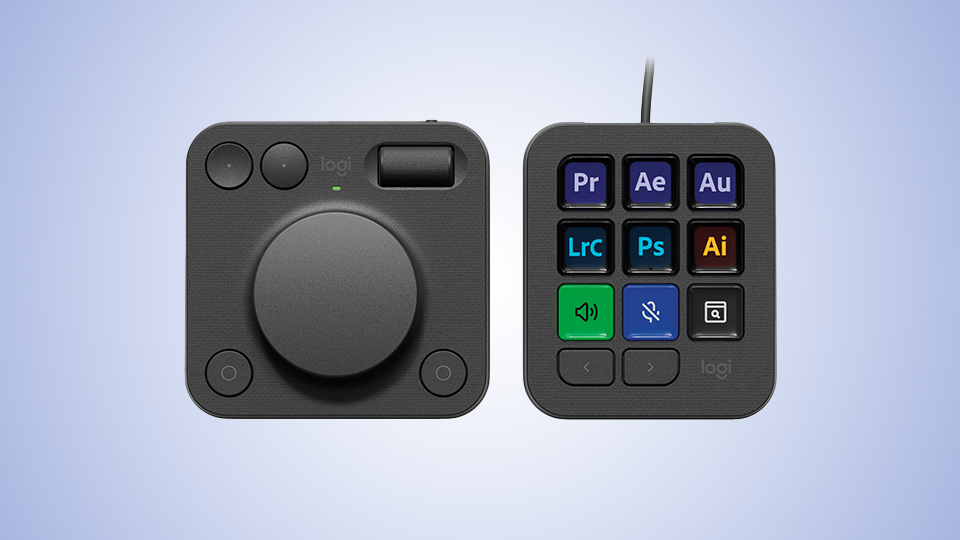
When you want to make more precise adjustments to things like exposure, volume, or saturation, the dial pad is your friend. Its low-friction design ensures you don’t get too overzealous or struggle to find your perfect visual balance.
The MX natively integrates with Adobe Creative Cloud applications like Premiere, Photoshop, Lightroom, or After Effects. Purchase of the console includes a three-month membership to the Adobe Creative Cloud to kickstart your vision. Other apps compatible with the system include Spotify and Zoom. You can access a library of pre-programmed actions, plug-ins, icon packs, and more in the marketplace of the Logi Options+ app.
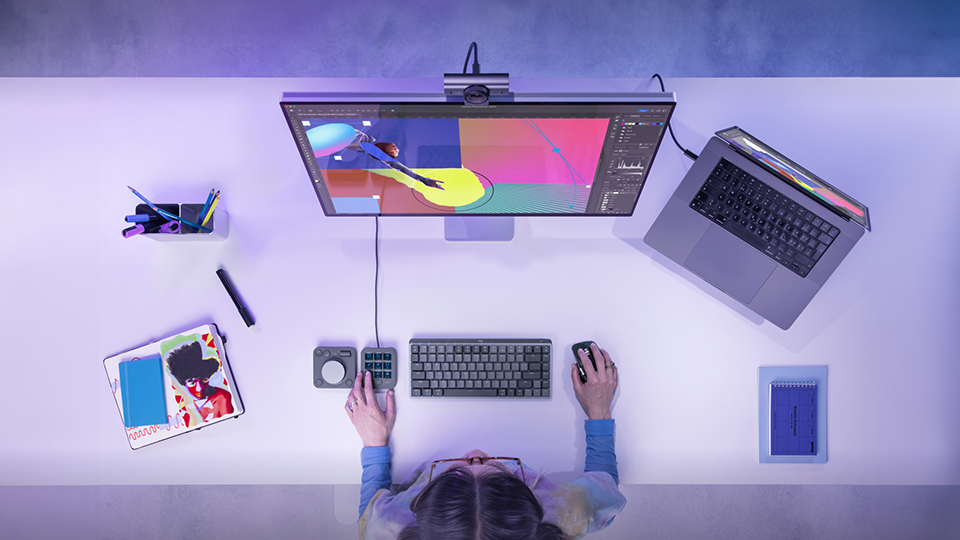
The console connects to your Windows or macOS computer with the included USB-C cable. Once connected, an Actions ring pops up on your desktop and works as a digital extension of the unit. The onscreen overlay helps you access your customized tools, shortcuts, and other settings quickly without even needing to touch the system.
While it might not be designed for streaming applications like the familiar-looking Elgato Stream Deck, the MX Creative Console brings the same intuitive control philosophy to editors and content creators. It’s available in two different colorways—graphite and pale gray—and has a desktop stand for easy placement on your workspace.
Watch Now: Logitech MX Creative Console | Quick Look
TASCAM Adds a New Field Recorder
Adding to its already extensive line of portable audio recorders, TASCAM brings us the FR-AV2, a response to Zoom’s F3 model and one of its most compact models to date. This recorder is aimed at videographers looking for 32-bit float recording and built-in timecodes in a single, portable device. There’s no need for freelance videographers to worry about doubling as a field sound recordist or sweat about syncing everything up in post.
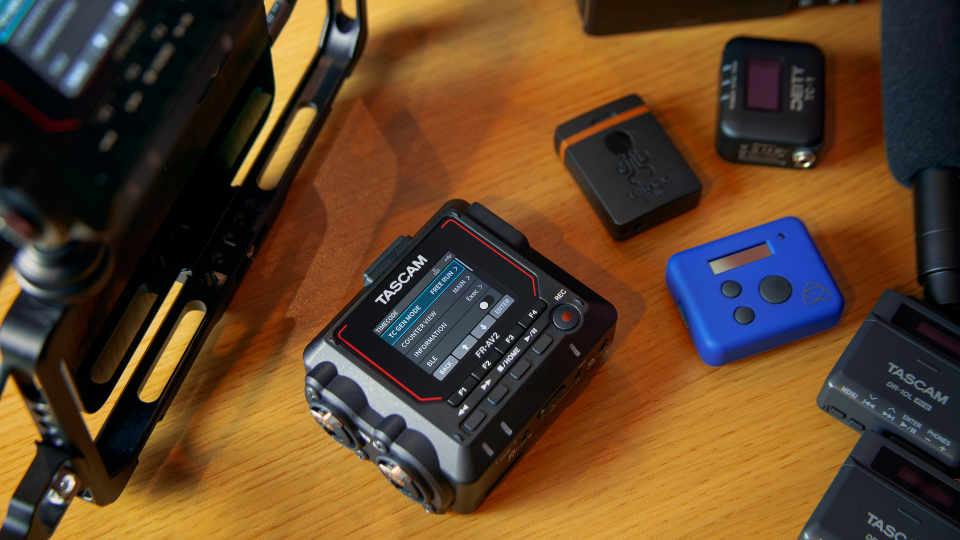
The FR-AV2 boasts a lightweight and compact construction perfect for securing to a camera rig without adding unnecessary bulk. What takes up the most space in this design is a 2” color LCD, perfect for viewing your settings. Two combo XLR/TRS inputs with ULTRA ADDA preamps and one stereo 3.5mm port make up the unit’s microphone connectivity. The recorder can also work as a 2-in/2-out USB-C interface for your Windows/macOS computer or iOS device. This way you can track your audio and timecode with your phone or tablet on set. Internal features include an onboard low-vit filter, compressor, limiter, and noise gate. Dual A/D converters prevent loud noises from clipping and distorting your audio and ensure low-level recordings can still be normalized during editing.
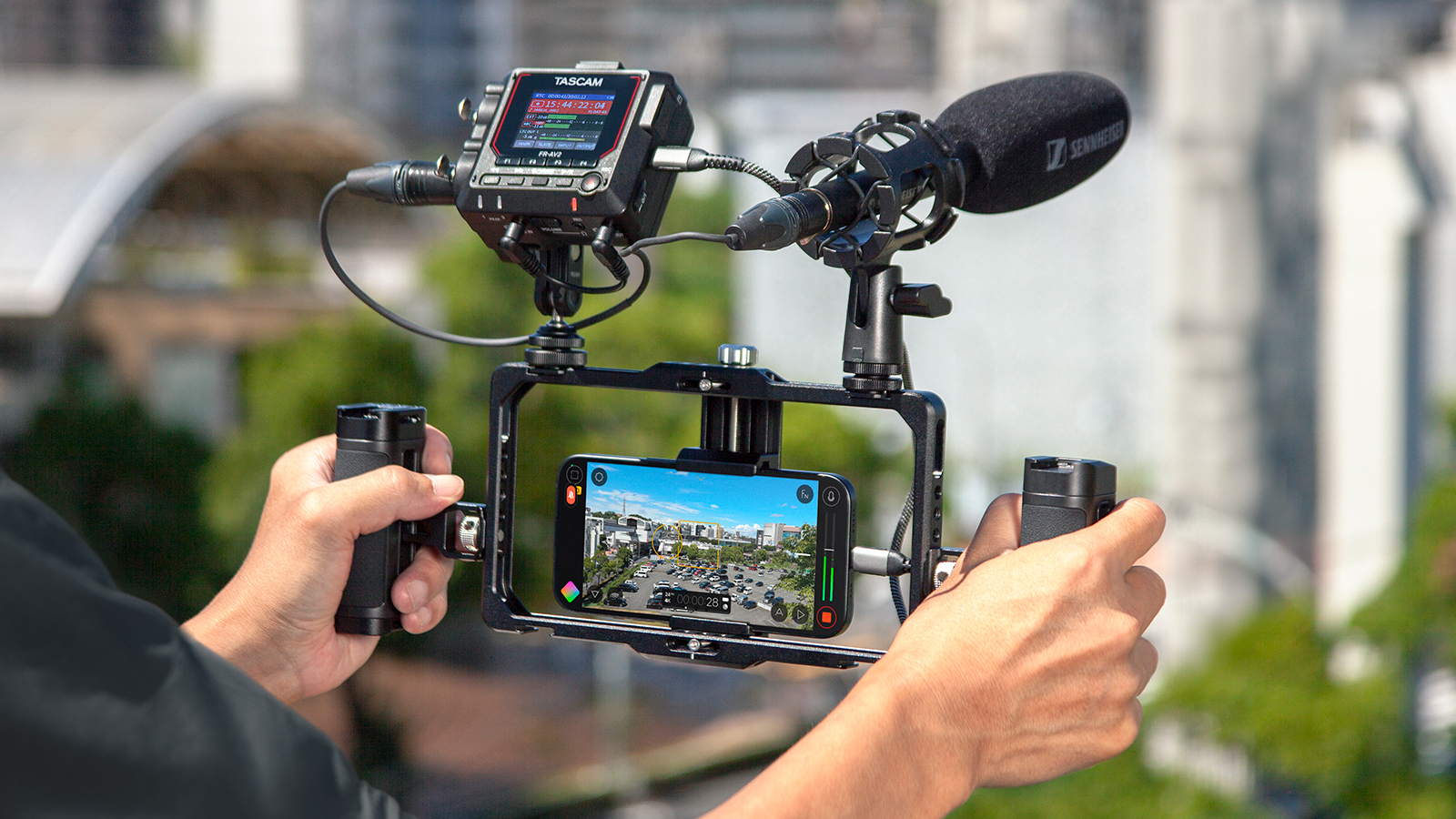
And the biggest appeal of all for the video shooter? A built-in timecode generator. Generate and read timecode via 3.5mm I/O to your camera. The FR-AV2 can also communicate with your preexisting timecode devices using Jam Sync. With the optional AK-BT2 Bluetooth adapter you can even wirelessly sync your timecode with Atomos UltraSync BLUE devices. Other Bluetooth-enabled features include remote control of multiple FR-AV2 units from your phone with the TASCAM Recorder Connect app.
The FR-AV2 takes a lot of the guesswork out of external audio recording and timecode jamming by merging it all in a single, TASCAM-reliable device. The option to add Bluetooth and integrate your mobile device into your workflow ensures both the solo shooter and the freelance videographer can keep the ship running with ease.
Tamron Extends Its Macro Lens Range
With the release of the new, 90mm f/2.8 Di III VXD Macro Lens, Tamron expands its macro lens offerings for Nikon Z and Sony E mount camera shooters. The 90mm lens works on full-frame, mirrorless camera models and facilitates fast aperture macro shooting. Ideal for shooting small and close-proximity subjects, the lens features a 1:1 magnification and 9.1” minimum focusing distance.
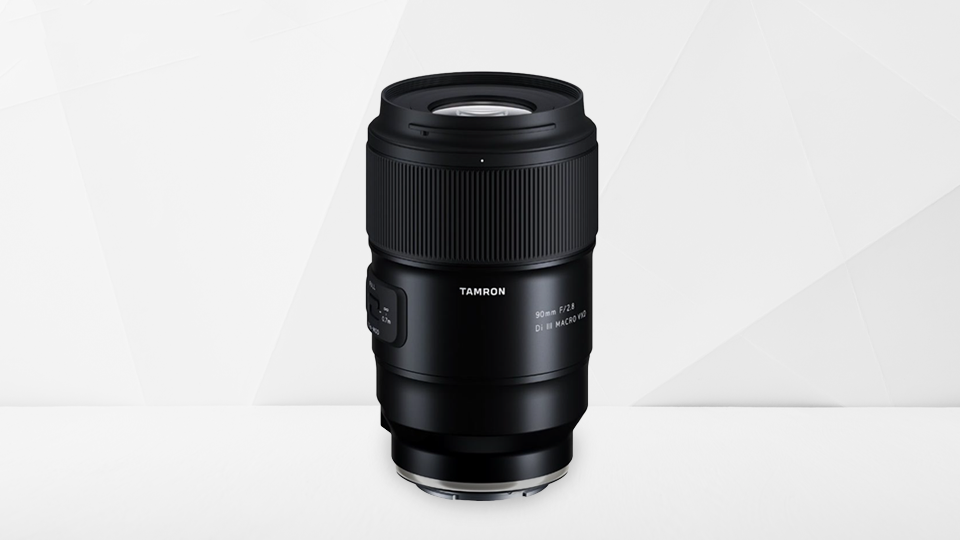
A large f/2.8 aperture and 12-blade diaphragm ensures your images retain flattering perspective and a desirable, circular bokeh. Use the focus limiter switch to reduce the autofocus range so you don’t miss your focus and lose your shot. An assignable focus set button can be reconfigured with the use of Tamron’s Lens Utility software. The software can also assign functions, customize settings, and update the lens firmware.
Physical details of the lens make it easy to take on the go, including a compact and lightweight design for both handheld and stabilized shooting. A moisture-resistant construction of fluorine and BBAR-G2 coatings safeguards the lens’s performance in inclement weather. Despite its short telephoto focal length, design features of the 90mm lens ensure its operation remains intuitive for high-quality images.
Who knows what next week might bring, but we sure are excited to see what might happen. Check back with us to get the latest news and releases.