About 2005 filtered results

2,447 Views· Posted
With very practical tips thrown into the mix, wedding photographer Karen Hill provides us with an exemplary version of a wedding-day timeline. She outlines the important sequences of a wedding-day shoot and the time she normally allots to each. Scouting, planning your moves and avoiding time snares—even if it means being polite but firm—are crucial to ensure that you are available to get the truly important shots. Regardless, Hill reminds us that “every wedding has its flow and it’s my job to tap into that flow.”

by Bjorn Petersen · Posted
When the term “dynamic range” is mentioned, many people will quickly think of HDR, or “High Dynamic Range.” With this term, and technique, so popular in the world of photography, it is rarely ever considered what dynamic range actually is, let alone why you would want it to be “high.” In short, dynamic range describes the measurement between maximum and minimum values. While not specific to photography, in this article on dynamic range in photography we can interpret dynamic range as the measurement between the whitest whites and the blackest
22,941 Views· Posted
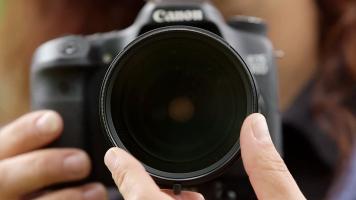
In the following video, Larry Becker completes his Neutral Territory series on neutral density filters with a roundup of information, as well as demonstrations of more specific techniques and pieces of gear. This video begins by covering a unique video-related use for variable ND filters, and then goes on to cover other applications of ND filters for film shooting and imaging beyond the traditional blurred water shot. This video also provides helpful tips for
21,298 Views· Posted
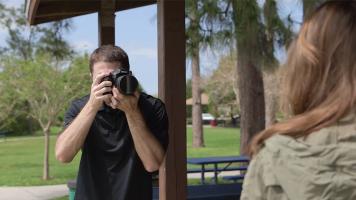
In the following video, Larry Becker presents the second installment of his Neutral Territory series on neutral density filters. This segment provides a more in-depth approach to working with ND filters, including alternative reasons for their use other than slowing down your shutter speed. Becker also touches on working with graduated neutral density filters and variable neutral density filters. The video closes with a helpful checklist for shooting with an

27,493 Views· Posted
In the following video, Larry Becker provides an introduction to using neutral density filters and some tips concerning how and when to use them. He covers some basic effects they can help to achieve, such as shallow depth of field and intended motion blur, and also discusseshow they affect your exposure settings. The video closes with a quick look at the differences in circular and square filters, and a brief preview of what to expect in the next video

by Sam Mallery and Nicholas Messitte · Posted
Nowadays, many people are using portable digital recorders like the Zoom H4n, Zoom H6, or Tascam DR-40X to record the audio during video shoots with DSLR/mirrorless cameras. Now you need some real-world advice about using this

by Sam Mallery · Posted
Whether you grew up listening to records, or you recently discovered collecting and playing vinyl, the idea of recording your favorite vinyl records into your computer may have crossed your mind. Having a digitized version of your vinyl collection is useful for loading songs into portable devices and for having an archive of your favorite tunes in the digital realm. When captured properly, a digital recording of a vinyl record will sound vastly superior to a compressed MP3 file. Besides, many of the albums that you find in thrift stores and

by John Harris · Posted
And I’m not a pioneer of any style: I am just taking the kind of photos I like to take, using the principles of composition embraced by Cartier-Bresson and the street photography style forwarded by Klein and Winogrand, and applying them to a wedding.”
Some may beg to differ—after all, the “Ascough style” is a phrase often thrown around, referring to his black-and-white documentary wedding photography, and he is often mentioned as being one of the best wedding photographers in world. He is one of the

by Shawn C. Steiner · Posted
Image stabilization, or vibration reduction, O.I.S., Optical SteadyShot, SR, VC, VR, MEGA O.I.S., and other equally catchy monikers, are technologies that enable photographers to take pictures under lighting conditions that once upon a time would have been considered too iffy for capturing sharp still images. Depending on the make, model, and vintage of your IS-enabled camera or lens, image stabilization allows you to capture sharp pictures at shutter speeds three, four, or five times slower than previously possible.
The rule of thumb for

4,059 Views· Posted
Adrian Toto understands shooting weddings as a photographer and as a videographer, but he rightly points out that knowing more doesn’t necessarily make it easier. The more you know, the more you want to incorporate into your work, but his wedding films certainly reflect the fine application of his knowledge. He speaks on two different approaches to filming a wedding: establishing your presence while remaining respectful of the ceremony, or shooting totally unseen, ditching the tripod and using a long lens from the periphery. He lovingly

2,135 Views· Posted
Adrian Toto has an important piece of advice for wedding videographers: think about audio! Quality audio bridges the gap between fine art and storytelling and is imperative for a successful wedding video. Toto outlines the basic audio gear and mic setups needed to record a wedding, whether you are shooting solo or with assistants, and he mentions a few pitfalls that you can expect along the way, and how best to avoid them. His pointers are apt for a video team or anyone shooting solo, but his most practical tip—hire an assistant who is as
6,891 Views· Posted
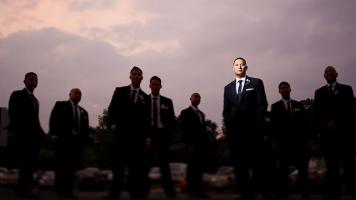
Ryan Brenizer offers five deceptively simple ideas to improve your lighting when shooting weddings and, with one glance at his dramatic and subtle lighting effects, it becomes clear that these ideas, when executed properly, will create gorgeous images. Brenizer likes to travel light and his tips often involve using speedlights, whether on camera or off. Creating effective backlight is a specialty of his and “playing billiards with light” refers to the way he bounces light from walls and ceilings for flattering illumination. He also discusses

by Todd Vorenkamp · Posted
Are you a beginner who is about to photograph your first wedding ever? Or, are you a seasoned pro shooter who could pick up a second job critiquing the moistness levels of wedding cakes from hundreds of different bakeries?
Regardless of your skill levels and experience, there is always room for learning new tricks and adding new, great images to your portfolio. We spoke to a handful of wedding photographers around North America to capture their thoughts on how to improve the art of shooting wedding photos.
1. Scouting
One of the most echoed

4,030 Views· Posted
With a very personable demeanor and his beautiful photographs as a calling card, Ira Lippke introduces us to the important aspects of shooting a destination wedding. Noting the importance of developing a trusting relationship with the couple, he speaks about the “immersive nature” and intimacy of travelling with the wedding party and how that provides the opportunity for amazing photos. He also provides several very practical tips and notes on his gear choices, but also makes it clear that while quality lenses and sensors are important,
by Sam Mallery and Daniel Bockrath · Posted
While sometimes it may seem as though all of recorded music is available by a quick search on services such as Spotify, Google Play, or iTunes (to name just three), the truth is that a significant amount of recorded music is only available in analog formats, such as cassette tapes. So, whether your interest is in digitizing cassettes from childhood or a mix tape from an old high-school flame, B&H has a range of solutions to help you enjoy your analog music in a convenient digital format.
There are two approaches to digitizing cassette