About 418 filtered results
by Christopher Witt · Posted
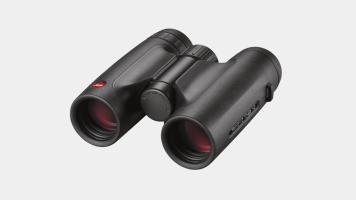
Striking a sensitive balance between compact and full-sized binoculars, Leica’s latest addition to the Trinovid HD family, the new 8x32 and 10x32 models enjoy the performance of the latter and the easy portability of the former—without compromise.
Engineered with the technology that we have come to expect from the brand, the Trinovid features P40 phase-corrected prisms treated with the HighLux system, to limit internal light diffraction
by Rich R · Posted
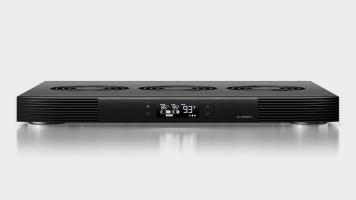
With summer on the way, keeping cool is our number one priority. This is as true for our electronics as it is for ourselves; and AC Infinity products are here to keep your A/V components running at their optimal temperature, even if you’re not. The AIRCOM series is designed for cooling individual components, such as an A/V receiver or DVR. It features a rear-exhaust model, the T8, which moves up to 160 CFM of air with a 24 dBA noise level; and a top-
by Rich R · Posted
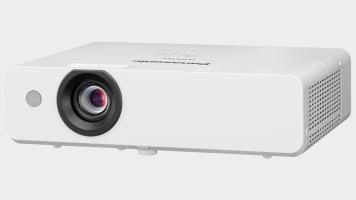
Panasonic recently released several new presentation projectors, and they’ve seemingly got something for everyone, ranging from 3100 to 4400 lumens of brightness, XGA (1024 x 768) to WUXGA (1920 x 1200) resolution, and in both standard- and short-throw configurations. Starting with the lone short-throw model, the PT-TW350U offers 3300 lumens of brightness with a WXGA (1280 x 800) native resolution and can create images up to
by Christopher Witt · Posted
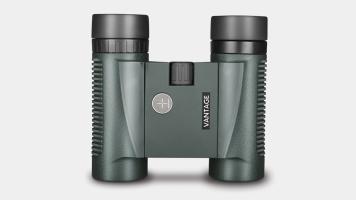
Ideal for fast glassing on the go, Hawke Optics designed its line of 25mm objective Vantage binoculars in an assortment of colors and magnifications to meet just about any observation need. Available in 8x, 10x, and 12x, in either green or gray, they all share the same optical and construction details so all you need to do is decide on which one is best for what you’ll be using it for.
The
by Christopher Witt · Posted
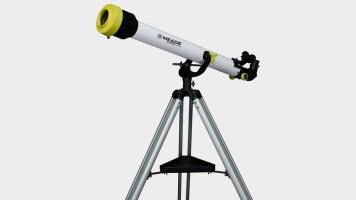
As preparations for the upcoming North American Solar Eclipse gain momentum, Meade Instruments now offers a broad line of white-light solar and eclipse-viewing optics called the EclipseView series. Consisting of a variety of devices, this new batch of products is designed to give users a wide range of options for observing our closest star. The entire EclipseView line features ISO-certified film filters that block 99.999% of the intense light from the sun,
by Rich R · Posted
by Ephie Mandel · Posted
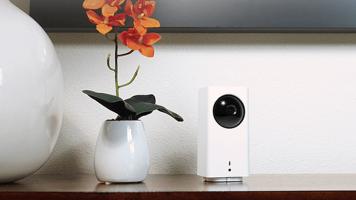
Picking out a full-blown surveillance system with NVRs, cameras, and alarms can be tricky. Luckily, iSmartAlarm, a leader in smart home security, has come to the rescue with some easy to use and easy to set up solutions. Whether you have a large mansion or a small, New York City apartment like mine, iSmartAlarm has the product for you. Take the Guard Package, for instance; with four contact sensors and three motion sensors. You’ll be able to keep an eye on up to four entrance points, such as doors or windows, and be notified in the event a
by Christopher Witt · Posted
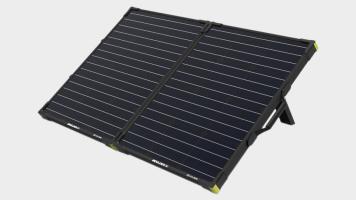
Whether you’re off the grid camping or the grid is down during a storm, GOAL ZERO’s latest line of solar panels and portable power stations help to keep the lights on and your devices charged, by harnessing the power of the sun.
The Boulder and Nomad series of solar panels provide a wide range of sizes and outputs to

by Christopher Witt · Posted
The scientific community in general, and astronomy in particular, is all abuzz these days as the hype builds for the upcoming North American Eclipse, happening on August 21. Between my position here at B&H and my personal interest in astronomy, I’ve been talking about this event for almost a year to my friends and colleagues, and I’ve found that people have a lot of questions about solar eclipses. Sure, we’ve all heard about solar eclipses, but how many of us have actually done research on them? I’m thinking that the answer is “not many.”

by Christopher Witt · Posted
If you have an interest in astronomy, chances are that you’ve heard of the upcoming North America Eclipse, in August 2017. And if you have a conventional telescope, you know the problem is these telescopes are all made for nighttime use so, to use them for solar and solar eclipse viewing, you need special filters to protect your instrument and (more importantly) your eyes. Luckily, we here at B&H have you covered, with filters to adapt your telescope for viewing the sun in general, and the solar eclipse, in particular.
First Things First

by Christopher Witt · Posted
A great deal of mystery and misconception surround the topic of observing the sun and solar eclipses, and while you should absolutely not look directly at the sun without proper protection, we here at B&H have got you covered on how to enjoy viewing the sun and, later this year, the solar eclipse. Read on to see what’s available for you, if you’re interested in investing in a dedicated solar telescope.
White Light or Narrow Band?
Right out of the gate, you need to decide: White light or Narrow-band (Targeted) viewing? For specifics about
by Todd Vorenkamp · Posted
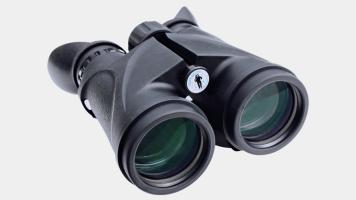
The 3D Astronomy 8x42 Space Walker 3D Binoculars are changing the way star gazers and astronomers around the world are enjoying the night sky. These binoculars give users an immersive view of the stars and planets above in way that standard astronomical (or all-purpose) binoculars do not.
From the Earth, the night sky looks two-dimensional, as if the stars are shining down on us from a distant vast dome ceiling, like you find
by Ephie Mandel · Posted
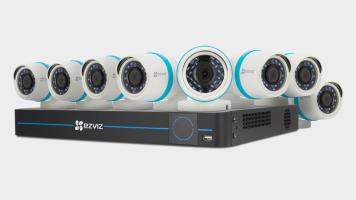
To help monitor your property more closely, ezviz has released some additions to its surveillance lineup. Building on the company’s already impressive assortment of cameras and DVRs, ezviz has now added higher-resolution optics and even more powerful recorders to the mix. Able to capture high-quality video similar to network cameras, the ezviz 3MP bullet camera grants users the ability to monitor both indoor and outdoor areas with ease in

by Rich R · Posted
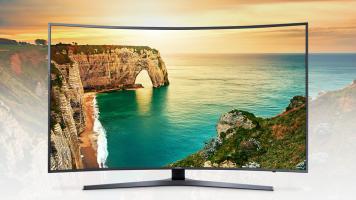
Samsung QLED TVs have arrived at B&H and, with three series to choose from, they have a lot to offer; but before diving into the models and their differences, what exactly is QLED?
QLED is an LCD panel with a layer of quantum dots acting as the light source. Since each quantum dot illuminates each pixel, QLED displays can achieve a higher contrast ratio than traditional LED-backlit LCD panels because, like OLED panels, each pixel can effectively be turned “off” to produce zero light.
With the technical jargon out of the way, there are

by Richard L. Stevens · Posted