About 1112 filtered results

by Luke Rollins · Posted
By now, the film resurgence has eclipsed its charming underdog status to become a full-blown front in what has become an all-out, open revolt against the smartphone and its visual aesthetics. What distinguishes the “film look” from the digital—texture, material imperfections, color magic, and the analog halo of yesteryear—comes at a price tag as resurgent as the medium itself.
Despite the contradiction (or perhaps because of it), the pursuit of the film look in a digital format has become something of a cottage industry, with manufacturers,

by Steven Esposito · Posted
Keyboards, the tool you absolutely need when it comes to navigating a computer. There are so many different types of keyboards that feature a slew of elements that make some keyboards good for one thing, but not so good for another. How do we know what is best for you? By educating you on the features, how they work, and why you would get one for any specific reason. So, if you are shopping around for your next keyboard, this is the place to be!
Types of Keyboards
There are a bunch of different types of keyboards, but what makes them specific

by Mathew Malwitz · Posted
Taking photos has never been easier, whether you're using a smartphone, point-and-shoot, or mirrorless camera. It's a fact that no matter where we go, we almost always have some form of camera on hand, and while the opportunity for image making has changed, what hasn't changed is what makes a photo good.
The simple answer is photography composition, or the arrangement of elements in your frame. This concept can be confusing as all art subjective. That said, think of movies and music and how certain combinations of sounds and storytelling

by Mathew Malwitz · Posted
The days of the large, dedicated photography studio being the norm are numbered, with many professionals preferring alternatives or using smaller spaces within their homes. This opens a Pandora’s box of tripping hazards and cramped conditions as light and background stands sit sprawled across the floor. These stands aren’t designed for these spaces, nor are they advantageous for more permanent fixtures.
At B&H, we understand the struggles of making do with small spaces, and while we’ve expanded over the years, we know that’s not
by Luke Rollins · Posted
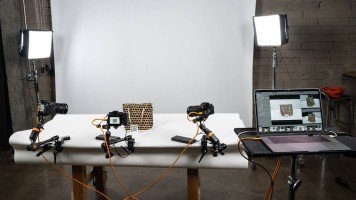
At its most basic, tethered shooting involves connecting your camera, wired or wirelessly, to your computer as you shoot. You’ve likely seen it in some behind-the-scenes video for a professional studio shoot, or you just have a friend who swears it’s the best thing since sliced bread. Tethering is a shooting technique that can benefit many a photographer’s workflow significantly, though upon first hearing of it, the idea of tethering can be something that first requires a bit of education. Hopefully, this introduction will help get you started

by Mathew Malwitz · Posted
Wildlife photography is one of the most therapeutic and rewarding genres of photography and it’s also one of the most popular. There’s just something so special about being able to witness the magic, and with new camera tech, wildlife photography is easier than ever. That said, the thrill of the shot can overshadow good decision-making, leading to unethical practices. But what are ethical practices?
Take nothing but photographs, leave nothing but footprints—an adage well-known by nature enthusiasts of all levels, but not all that practical.

by Steven Esposito · Posted
Has it been at least six months since you bought or built your computer? Maybe a year? Chances are it is finally time to look inside your case and see what awaits you. But you shouldn’t just jump in blind. You should have an idea of what you should do and how to do it so that you don’t run into any issues. We are going to break down why you should clean your computer, the tools that you should have, the techniques that I use, and more! So, get your gloves on and let’s get on with the cleaning!
Why Should You Clean Your Computer
You like

by Luke Rollins · Posted
Canon has announced the second generation of its entry-level full frame mirrorless camera, the R8 Mark II. Having spent some time with the camera, we can speak to some of its most apt use cases: portraits, landscapes, street photography, and video.
Canon R8 Mark II

by Mathew Malwitz · Posted
The bald eagle, one of the most regal birds of prey, has a secret. It’s notably one of the most difficult subjects to expose for. If we trust the camera in an automatic mode, we’re likely to get either an overly bright head, or a body that’s too dark in shadow to see. The only reliable way to capture good exposures of these birds is to expose to the right.
Mathew Malwitz
This technique is as useful as it is controversial,


by Luke Rollins · Posted
IN THIS ARTICLE
1. (Don’t Fear) the Gear2. Good Dental Photography Is Good Photography3. Macro Discipline, Portrait Mindset4. Embrace the Flash5. Clinical, but with an Eye for Marketing
For dentists, the evidentiary benefits of a photographic practice go beyond meeting industry standards. They can be the foundation for professional development and the growth of your business. That said,
by Luke Rollins · Posted
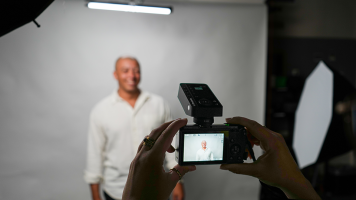
At first glance, studio photography and the compact camera may seem strange bedfellows. The type of work associated with the studio—still life, product photography, portraiture, macro photography—usually wants cameras with larger sensors and interchangeable lenses, especially in professional applications. Compact, point-and-shoot cameras, for their part, have their natural home in everyday, travel, nightlife, and street applications, where their discretion and size become virtues.
It might seem almost cruel to introduce the compact to the
by Mathew Malwitz · Posted
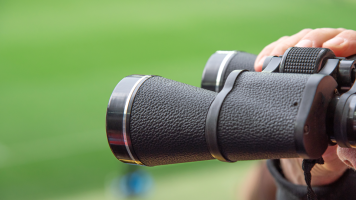
When choosing binoculars or scopes, a term that should be heavily considered is "exit pupil." What is exit pupil, and what does it do? In optics, we're often focused on magnification and light-gathering capabilities, and these are essential for understanding how optics works, but overall viewing experience shouldn't be discounted.
If you look at any optic at arm's length, you'll see the small pinpoint sized window of

by Mathew Malwitz · Posted
At one point or another, you’re bound to hear someone say that you need to shoot in a RAW file format. There are advantages to this decision, from additional detail to better control over the look of our final image. But what exactly is a RAW file and what does it do for our photographs? In this guide, we aim to give you a better understanding of the RAW file and how to use it to our advantage.
What Is a RAW File?
RAW files, sometimes referred to as digital negatives, are the raw data recorded by your camera’s imaging sensor. This data is

by Freddy Gerngross · Posted
When it comes to converting and amplifying audio, these three terms are often used interchangeably, and to make things more confusing, audio interfaces and headphone amps can have DACs built into them.
But fear not dear reader, we’ve got the info you need to make the right choice! Here’s the rundown of these categories and when to consider them:
DAC (Digital-to-Analog-Converter)
What is a DAC?
A DAC is an audio component that takes the 1s and 0s of a digital audio signal and converts it into an audible analog signal that is coherent to the

by Jennifer Hahn · Posted
Point-and-shoot cameras are a great value-add to your photography kit, social media sharing, or as a vacation companion for quick stills and capturing memories on the fly. And these days, the value is even greater with point-and-shoot video recording. The point-and-shoot design makes things simple to change to video mode and press record. Though after you’ve captured your video, it can become cumbersome to edit and share that footage.
Some cameras allow you to edit/trim your video footage (also called “Movies” in some cameras) in camera, which