
Tube microphones (also known as “valve mics” to those who refer to the subway as “the tube”) are something of a venerated patrician class of microphone technology known for their euphonic sound characteristics and historical pedigree, along with exorbitant prices that induce nightmares for recording studio accountants—discontinued models like the Telefunken ELA M 250E command upward of $30,000, making a brand-new Sony C-800G seem like a steal.
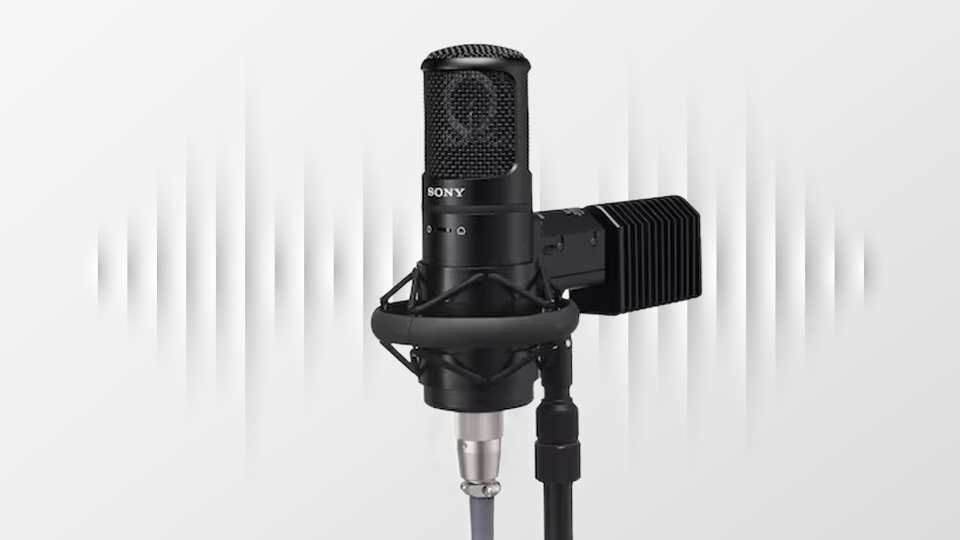
While getting your hands on an ELA 250E might be something of a pipe dream (most owners would likely laugh at the idea of selling theirs), there are plenty of new and more affordable tube mics for sale at B&H. But before you pick one up, let’s go over what tube mics are, what sets one tube mic apart from another, and why you might want to shell out the extra cash for one!
What Is a Tube Microphone?
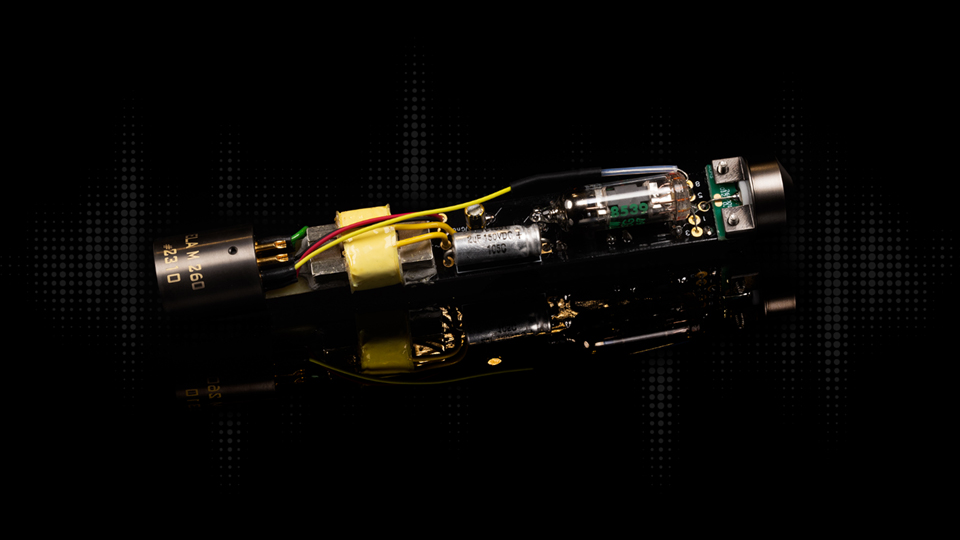
Tube mics are condenser mics; they use the same style of capsule. Because the audio output of condenser microphones is extremely low, they need an internal amplifier to raise the level of the signal before it travels through the cable to the mic preamp in the mixer or console. This internal amplifier is known as a “head amp” and it’s something that greatly contributes to a microphone’s individual sonic characteristics.
A tube microphone works like any other condenser mic but has one key difference: It uses a vacuum tube for the head amp as opposed to a solid-state FET (field-effect-transistor). These two components both convert impedance and amplify the signal, but in a fundamentally different way.
How Does a Vacuum Tube Affect Sound?
The vacuum tube head amp gives tube mics their unique, warm, and pleasing sonic character, whereas solid-state FET mics tend to capture a more neutral and clean sound—this is a naturally occurring phenomenon due to the nature of harmonic distortion/saturation and clipping introduced by the two different technologies.
Asymmetrical Clipping, Even-Order Harmonics, and Thermal Noise
The vacuum tubes generate asymmetrical clipping when driven; unlike a solid-state device that clips a soundwave evenly on both the top and bottom of the waveform, vacuum tubes naturally clip one side differently than the other.

Unintuitively, this unevenness generates even-order harmonics, meaning that the signal will see a boost at every even multiple of the fundamental frequency—if the fundamental frequency is 100 Hz, then the harmonic boosts would occur at 200 Hz (2nd harmonic), 400 Hz (4th harmonic), 800 Hz (8th harmonic), and so on, with each subsequent harmonic receiving less boost than the last.

You may already know that each frequency listed above is exactly an octave, or twelve half-steps, above the last, making the boosted relative frequencies inherently musical and harmonized. Tube mics are particularly good at emphasizing the 2nd harmonic, contributing to the warm, rich, “larger-than-life” sound they’re known for.
Note that solid-state devices introduce odd-order harmonics, meaning if fundamental frequency is 100Hz, then the next is 300 Hz (3rd harmonic, perfect 12th or octave + perfect 5th), 500 Hz (5th harmonic, major 17th or two octaves + major 3rd), 700 Hz (7th harmonic, somewhere between a major 6th and a minor 7th called the harmonic 7th) and so on. Odd harmonics add more complex and dissonant intervals than even harmonics’ perfect fifths and octaves. Odd-order harmonics contribute to a sharper and brighter sound profile, which is why solid-state mics sound more neutral and clinical.
One of the trade-offs of a tube condenser microphone is its high noise floor, which is typically the exact opposite of what you want in a microphone—but for tube condensers, it’s a feature, not a bug.
Tube microphones get hot during use because vacuum tubes need heat to create an electrical current. Thermal noise occurs when ambient heat causes electrons in the conductors to vibrate, causing electrical noise. This thermal noise is uniformly dense, meaning that it’s equally present in all frequencies—this noise further adds to the warmth and smoothness of a tube mic’s sonic personality.
Why Choose a Tube Mic?
Sonic Characteristics and Limitations
Outside of the science, tube mics have perceptual timbral characteristics: They soften transient response (the start of sounds) and add natural compression during the amplification process, further contributing to their smoothness. This makes tube mics a go-to for recording vocals and acoustic instruments, particularly strings and flutes (which also tend to project even-order harmonics). Anything that needs to capture the depth and emotion of a performance with a smooth and balanced tone would be a viable candidate for recording with a tube microphone.
But you can record anything you’d like with a tube mic. They’re often used as drum overheads, room mics, for brass and woodwinds, and just about anything you can think of so long as you want that natural depth and smoothness.
Tube mics do have some limitations and inconveniences: They have a high noise floor, so adding compression or lots of gain can lead to an audible hiss or rumble in the track and recording extremely quiet sources is not tenable. Setting up and breaking down a tube mic takes far longer than a traditional solid-state mic (more on that later). They need very specific power requirements and come with a bulky dedicated power supply and unique cabling—these power supplies and even the mic itself can be damaged if not set up properly. And finally, they’re just way more expensive than most solid-state mics.
Note: Tube mics need to use dedicated power supply units because +48V DC phantom power does not supply enough voltage to run the tube electronics of a tube condenser microphone.
Limitations aside, tube mics are powerful and sought after machines. I can’t think of a single engineer who wouldn’t want one in their mic locker.
How Does a Tube Mic Work in the Studio?
Most tube mics require specific power specifications and come with their own dedicated power supply, along with a unique XLR cable, often with six or seven pins, depending on the microphone. The unique cable will connect the microphone to the power supply, and a separate, standard 3-pin XLR will connect the power supply to the mixer, console, or interface. Make sure you DO NOT LOSE THE UNIQUE XLR CABLE. It’s unlikely that anyone will have an extra one lying around that’s compatible with the power supply, and replacing one often requires a special order that will take time to receive.
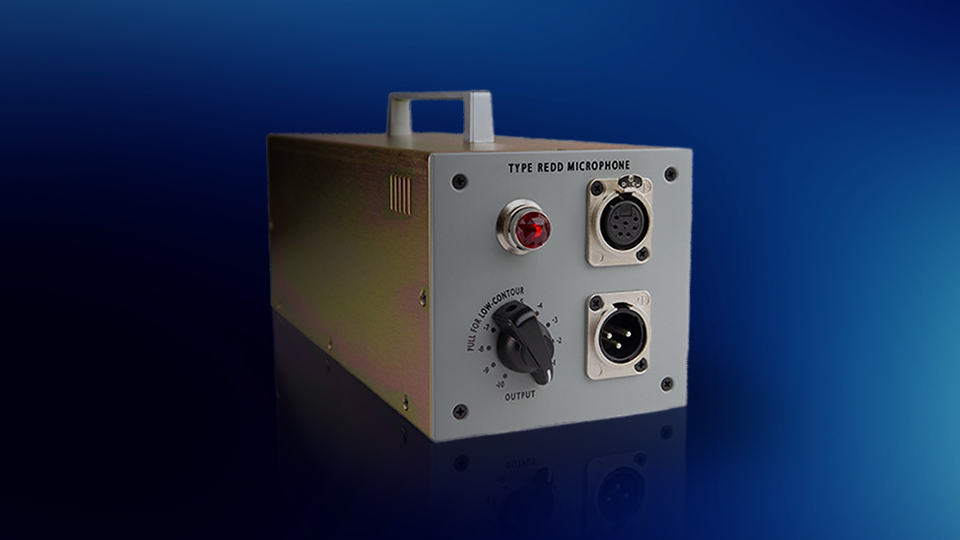
Here is a suggested setup procedure for tube microphones:
- Mount the tube microphone securely to a mic stand (dropping a tube mic is a sin!)
- Connect the unique XLR to the mic and the power supply (do not turn it on yet)
- Connect the standard XLR from the power supply to whatever mic input you are using
-
Once everything is connected, plug in the power supply to a safe and proper AC power source and turn it on.
NOTE: DO NOT TURN ON THE POWER SUPPLY IF THE MIC, POWER SUPPLY, AND MIC INPUT ARE NOT PROPERLY CONNECTED. DO NOT UNPLUG ANYTHING WHILE THE POWER SUPPLY IS ON.
- Because vacuum tubes need time to warm up, wait at least 15 minutes before recording—this will improve the performance of the mic and lower the noise floor
This seems like standard procedure, but tube mics are delicate things using quite rudimentary technology. If something goes wrong, you could end up with a damaged mic or power source and lose thousands of dollars of your gear—or worse, someone else’s!
When breaking down, here are some tips:
- Make sure the power supply is turned off before unplugging it from the AC outlet or disconnecting either of the XLR cables.
- After a proper session, the mic will be physically hot to the touch. Wait until it cools back down to room temperature before taking it off the mic stand—letting vacuum tubes cool before moving them is best practice and can extend their lifespan.
- Store the mic, unique XLR cable, and power supply together safely in a case or bag (many tube mics will come with one).
- Some people will put the mic itself in a clean plastic bag with dehumidifying materials like silica gel to keep out moisture, especially if it’s a rare or expensive one.

Why Are They So Expensive?
Microphones are expensive. Tube condenser microphones are extremely expensive. But why? Well, vacuum tubes and transformers are delicate and expensive things to manufacture and there is relative scarcity in the market for high-quality components. When creating a machine that costs so much to produce, there’s not any reason to skimp out on the rest of housing, other components, and accessories. Add on top of that the power supply that must be included, a sturdy storage and carrying case, and the profit that must be made for the manufacturer to stay in business, and you have premium product that’s priced like one.
Vintage tube mics are out-of-control expensive because they’re often some of the greatest microphones ever produced, having defined the sound of popular music throughout many eras of the recording industry. Since they’re often out of production, they’ve become rare and highly collectable prizes. Supply and demand, simple as.
Types of Tube Condenser Microphones
Large Diaphragm Tube Microphones
Large diaphragm tube microphones are the most common tube mics you’ll encounter and are studio workhorses that can be used in a variety of situations, particularly for vocals, pianos, and acoustic instruments. The large diaphragm (usually 1” or larger) captures greater acoustic energy and fully enhances the captured sound with the tube condenser personality, providing huge presence and particular clarity for high frequencies. Large diaphragm mics are a favorite for recording vocals, but they can be used for just about anything.

Small Diaphragm Tube Microphones
Small diaphragm tube mics (sometimes called “pencil mics”) can respond much faster to sound waves due to their smaller and lighter capsules, often 0.75” or less. These mics sacrifice some of the vacuum tube characteristics for faster and more accurate transient response, making them sound sharper with more clarity throughout the frequency spectrum while still adding some of the saturation and compression vacuum tubes produce.
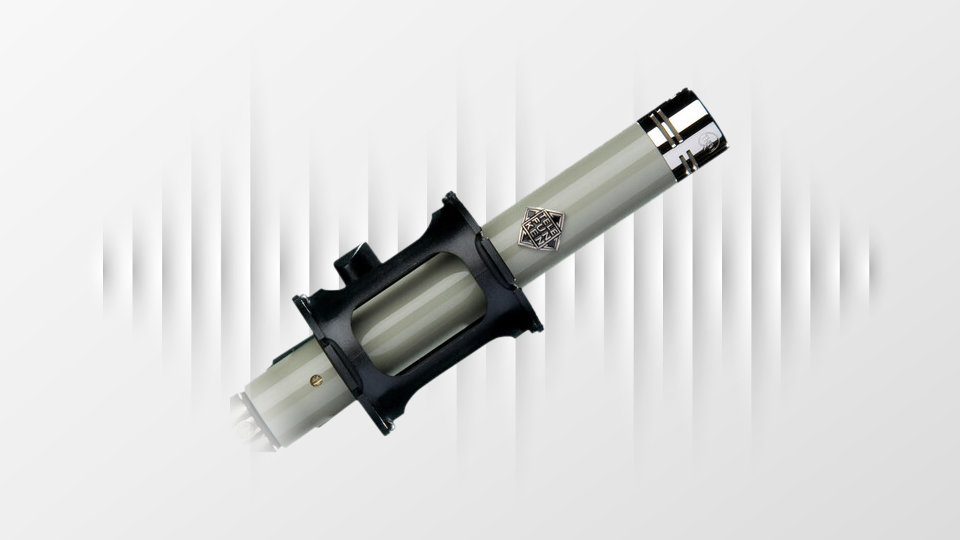
These mics, much like their solid-state cousins, have consistent polar patterns (some have swappable capsules for different patterns), high SPL tolerance, and extended high frequency range, making them perfect for drum overheads, cymbals, and other percussive instruments where accuracy is key.
Tube Ribbon Microphones
Like traditional ribbons, tube ribbon mics use thin strips of aluminum suspended in a magnetic field as a transducer—tube ribbons add the internal vacuum tube head amp to boost the output. Compared to large and small diaphragm tube condensers, ribbon tube mics have a darker and smoother character, as they naturally roll off high frequencies.
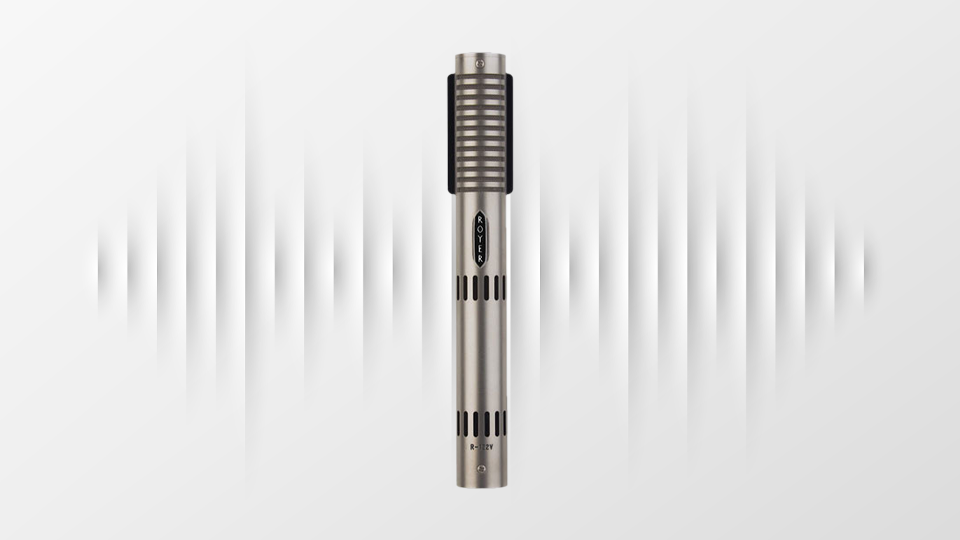
Their sonic character along with a natural figure-8 polar pattern makes them great to use for bright or harsh sources like brass ensembles and electric guitar cabinets and are particularly useful when recording multiple instruments at once or using as a room mic.
Hopefully this guide helped illuminate the mystique of tube condenser microphones—while they’re not cheap, they’re fantastic tools that bring out the biggest and warmest sounds you hear on recordings throughout history and to this day. As time goes on, manufacturers are finding better ways to offer tube condenser microphones for more affordable prices, all while still maintaining the same kind of power and character you’d expect from a vintage mic valued in the five-figures. Look to our upcoming guide to affordable tube microphones to see what you can get your hands on without having to max out a line of credit.
If you have any more questions about tube mics or even want to try one out yourself, come to the B&H superstore and ask a pro audio professional to assist you in the mic room, or learn more at our online storefront!
