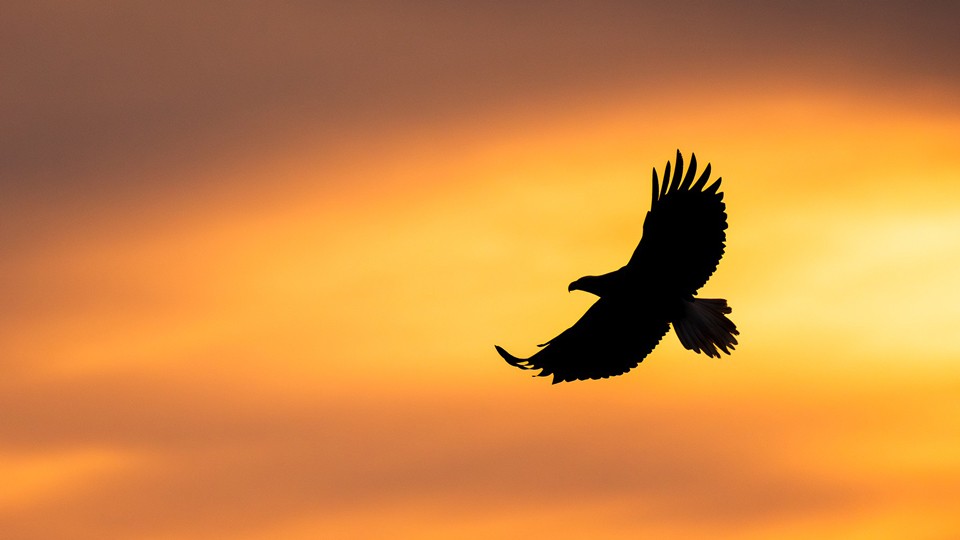
Through the cacophony of forest sounds, your ears home in on a buzzy, almost garbled ascending song. Perhaps you recognize it immediately, or maybe you need to confer with one of the trusty internet databases or apps. You train your eyes on the canopy, scanning for movement of any kind, when you see it: the cerulean warbler, a small rowdy songbird with wings slightly splayed from the body. Quickly, you lower your binoculars and train your camera on the little blue passerine before snapping a few frames.
The resulting photos clearly show the underside of a cerulean warbler, but there’s something missing. Our image accomplishes our initial goal of recording our sighting, but it doesn’t look like the multitude of clear, eye-level images we’ve seen online. How do we capture such images? Obviously, there’s a lot of patience involved but isn’t that true of birding as well. The secret is quite simple and mostly relies on a change in how we approach our observations.
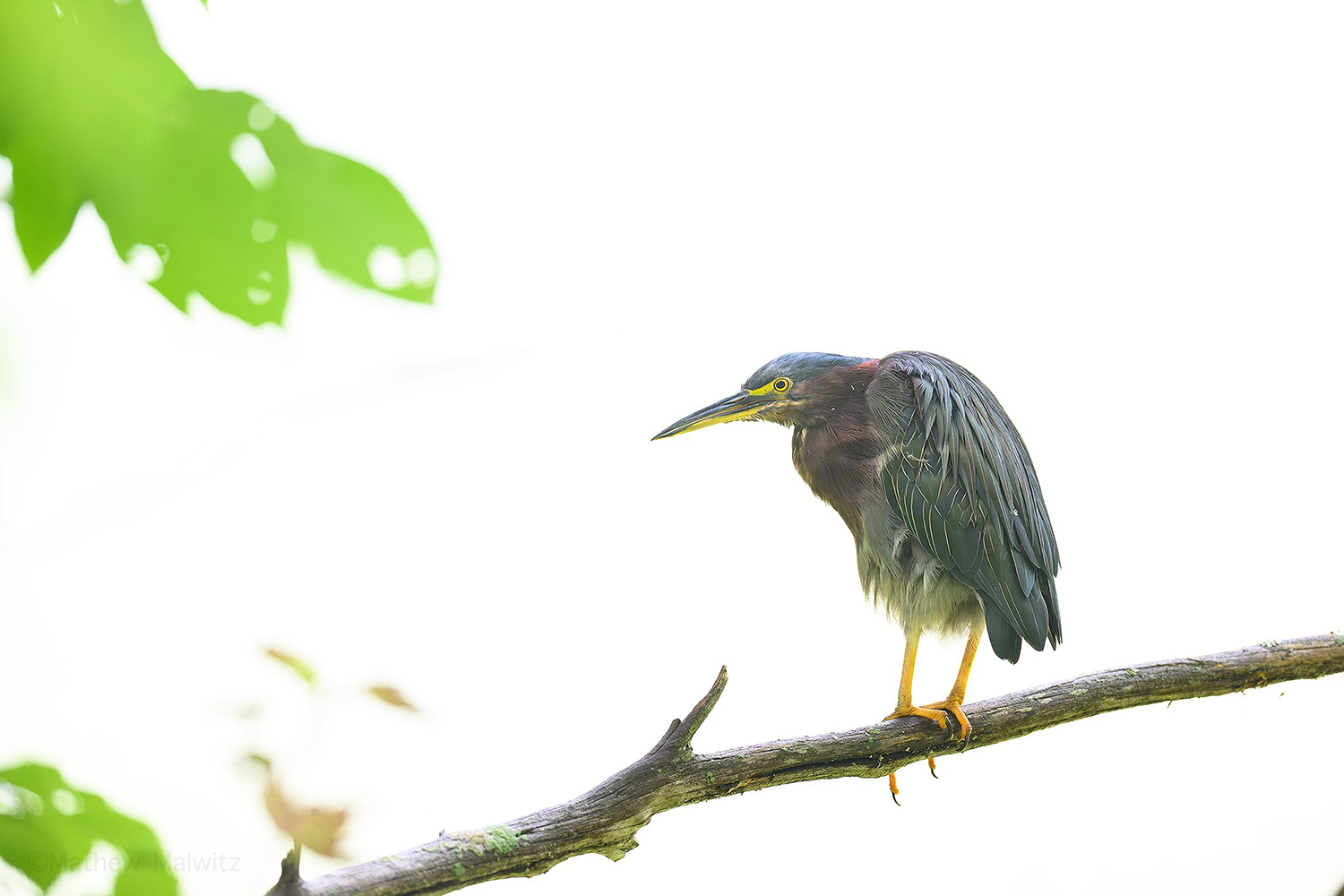
Birding or bird watching has quickly become one of the most popular pastimes, providing a connection to the natural world, and a respite from the sometimes-chaotic world we find ourselves in. With birding, a camera often follows close behind. That way, we have real world evidence of the birds we see, or reference for a bird we can’t recognize, so we take a shot to identify it later. These snapshots or identification shots are part of the process for many bird watchers, but for some, they’re a gateway to another area of bird observation: bird photography.

Birding vs. Bird Photography
When I’m not talking about photography, I’m out in the field putting all that knowledge into practice as a bird and wildlife photographer. What came first? Many wildlife photographers get their start after a lifelong appreciation of wildlife, whereas others come from an existing passion for photography and decide to explore a more meditative area of the artform. I sort of came into both simultaneously, growing up with an appreciation for nature and two parents with passions in the arts.
Whereas I picked up a camera with the intent of photographing the birds I saw, I know plenty who were wedding or portrait photographers first, only turning to birds and other wildlife later on in their career. More often than not, it is birders who trade their binoculars for a camera. How did these varying introductions to the world of bird photography affect our journey, and how did it impact the images we created along the way?
This was brought to the forefront of my mind on a recent outing, where I was exploring the less travelled regions of New Jersey alongside a gnaturalist friend of mine with the goal of photographing songbirds as they migrate back to their breeding grounds. Our target was primarily the elusive blackburnian warbler, though we were open to whomever we came across, as part of enjoying nature is accepting the spontaneity of it all.
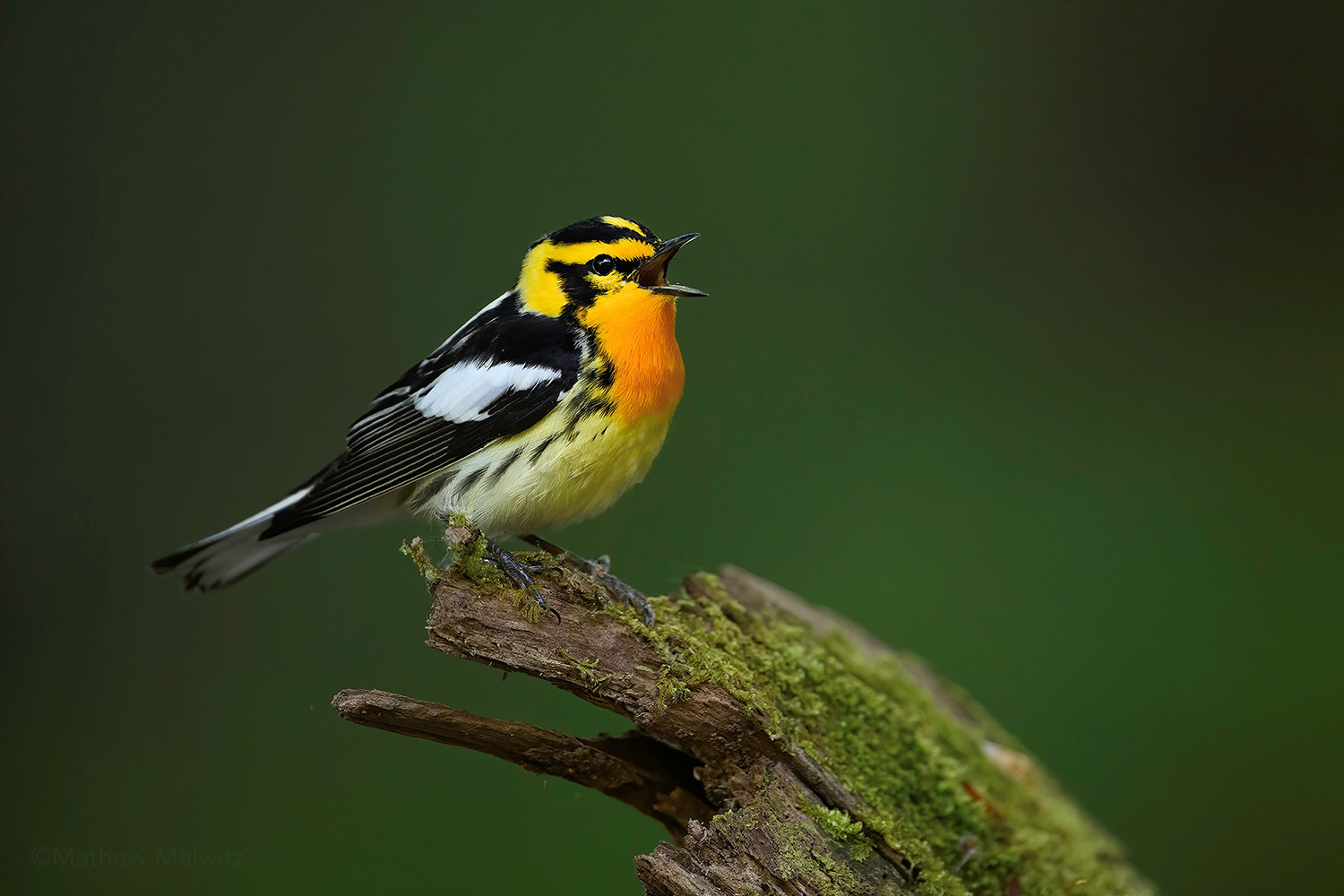
As the outing progressed, we hopped out of the cars and immediately began scanning the canopy. My friend with his trusty Zeiss binoculars, and I, in my years of birding, with my ears. This skill has led me to forgo the birders most essential accessory when I’m out with the goal of taking photos, especially in familiar forests.
As we proceeded through various woodland environments, the differences in approach become increasingly clear. While a small bird would be snaking its way through dense foliage, my eyes were trained on the movement, with my camera in hand ready for the decisive moment. In his hands were his trusty bins, focused on the mystery assailant. “What is it?” he asked, as I watched and waited for an opportunity to get a clear shot. We never had that moment, but if it had occurred, he would’ve likely missed it as he lowered his bins to then raise his camera.
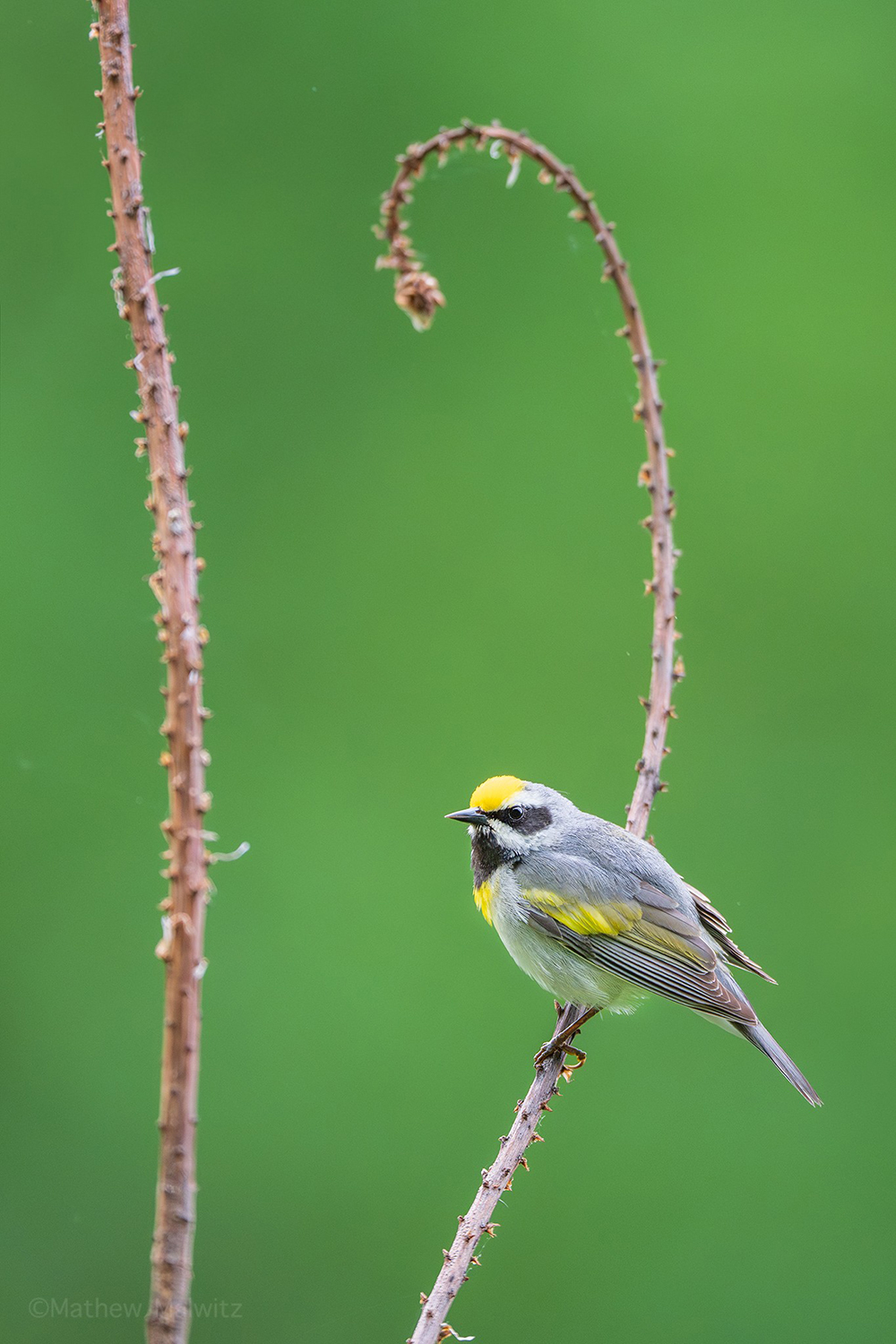
While time and time again the birds evaded us, he was simply happy to have found a few lifers! These are new species, never before observed in a birder’s life, and subsequently never before recorded on their life list. We unfortunately did not find any photogenic blackburnian warblers that day, but we did manage to get some good looks at a golden-winged x blue-winged warbler hybrid. That said, at the end of the outing, he remarked that he was disappointed with his shots from the day but was happy to have seen those few lifers as mentioned above.
In retrospect, this outing highlighted the very topic of today’s article. Just why do birders struggle with photography? There are quite a few reasons why, but there are also reasons why birders should make better photographers. In this case, there were times when birds were in good view, but when that moment arose, my friend was either not focused on the bird at hand or was looking in the complete opposite direction with binoculars up, and the camera dangling at his hip. His priority was the list, and not so much the particular bird.
Birding and bird photography may appear to go hand in hand, and to some extent they do. As birder, photographer, science educator, and friend James Falletti so eloquently put it, “Birding rewards discovery and identification. Once you’ve found and identified the bird, you have achieved your goal. Photography requires something different. It asks you to stay longer, watch more carefully, and think about light, composition, behavior, and storytelling.”
Where Birders Struggle
Although I consider myself an avid birder, the goal of my observations has always been clear. I was a photographer first and primarily remain one. I’ve made observations about birders before, but that’s all they are. Observations. To best understand the journey between birders to photography, I wanted the input of someone who, first and foremost, was a birder and a naturalist. Enter the aforementioned James Falletti M.A. He was kind enough to give his two cents on the topics of birding and its relationship to photography while preparing for a two-month teaching stint in China. Let’s hear his take:
“One of the biggest challenges birders face when transitioning to photography is learning to slow down. Many birders are conditioned to keep searching for the next species, the next rarity, or the next addition to a list. Photography is often the opposite approach. Some of the best images comes from spending more time with a single subject, anticipating the action, and waiting for the right moment rather than moving on to the next bird.”
Priorities in the field
Focus
Focusing on just one bird when dozens are singing can be a challenge for birders at any level. After all, don’t we want to know who’s singing and recording our observations? Yes, and no. If photography is the priority, knowing which birds around does matter, but once you’ve picked out your bird from the bunch, it’s important to lock in.
Birds are not one-trick ponies, and though some may fly away after a brief song, others will linger, providing endless opportunities for different images. This is hard when you get a good, frame filling shot as the birder in us will want to shift our focus to other species. The same can be said when working a flock, as jumping from bird to bird following the action will only resulting in us missing some great shots. Focus on one bird, and the results can truly shine.
Let’s look at an example. Below, you’ll see a variety of images of a Canada Warbler taken in the same location over a period of a few days. I returned to this bird, as it was quite cooperative, often singing and feeding out in the open. There were other species all around, from black-throated green to chestnut-sided warblers. My focus was solely put on this bird as it provided the best photographic opportunities, but also because it was my goal for the outing.
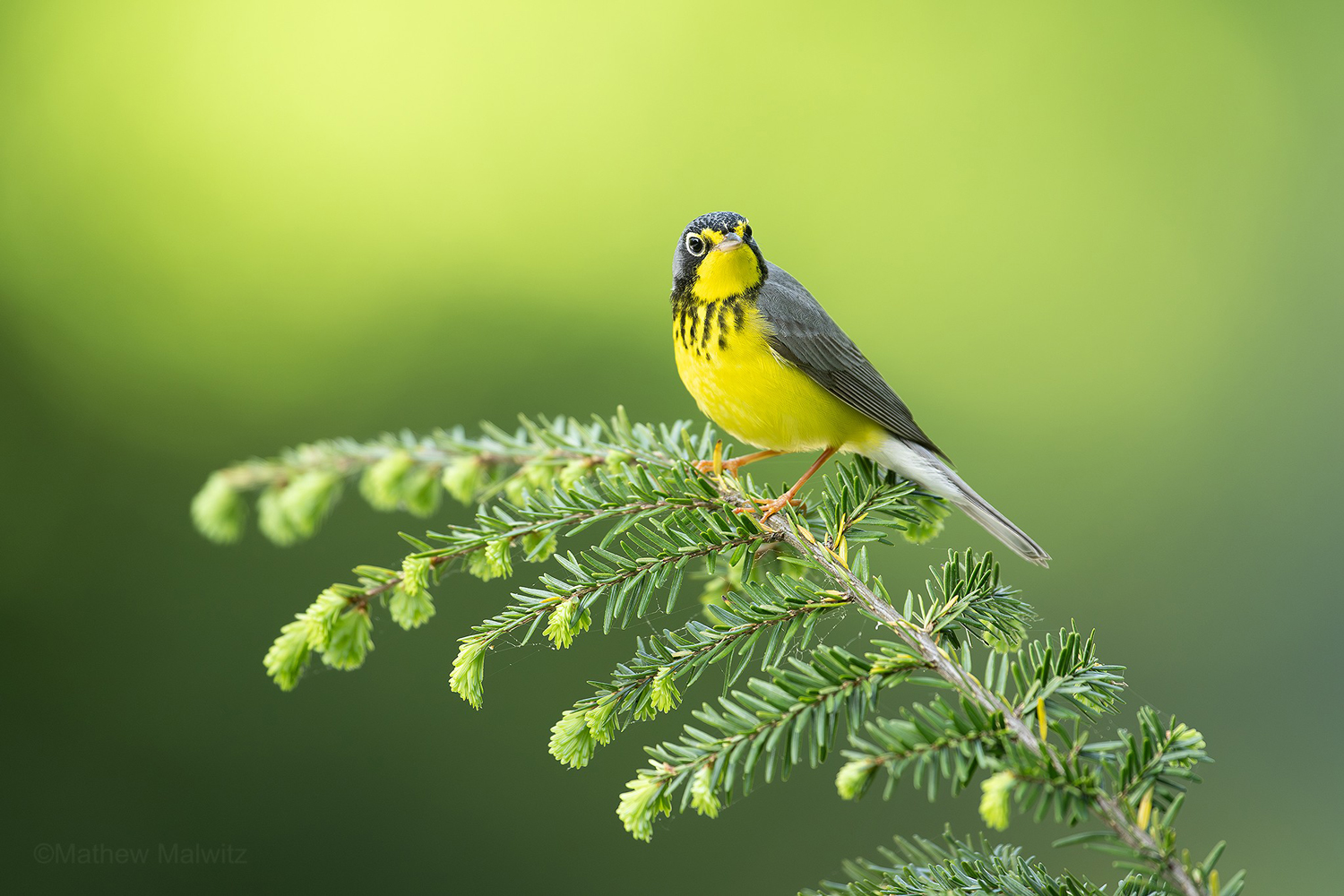
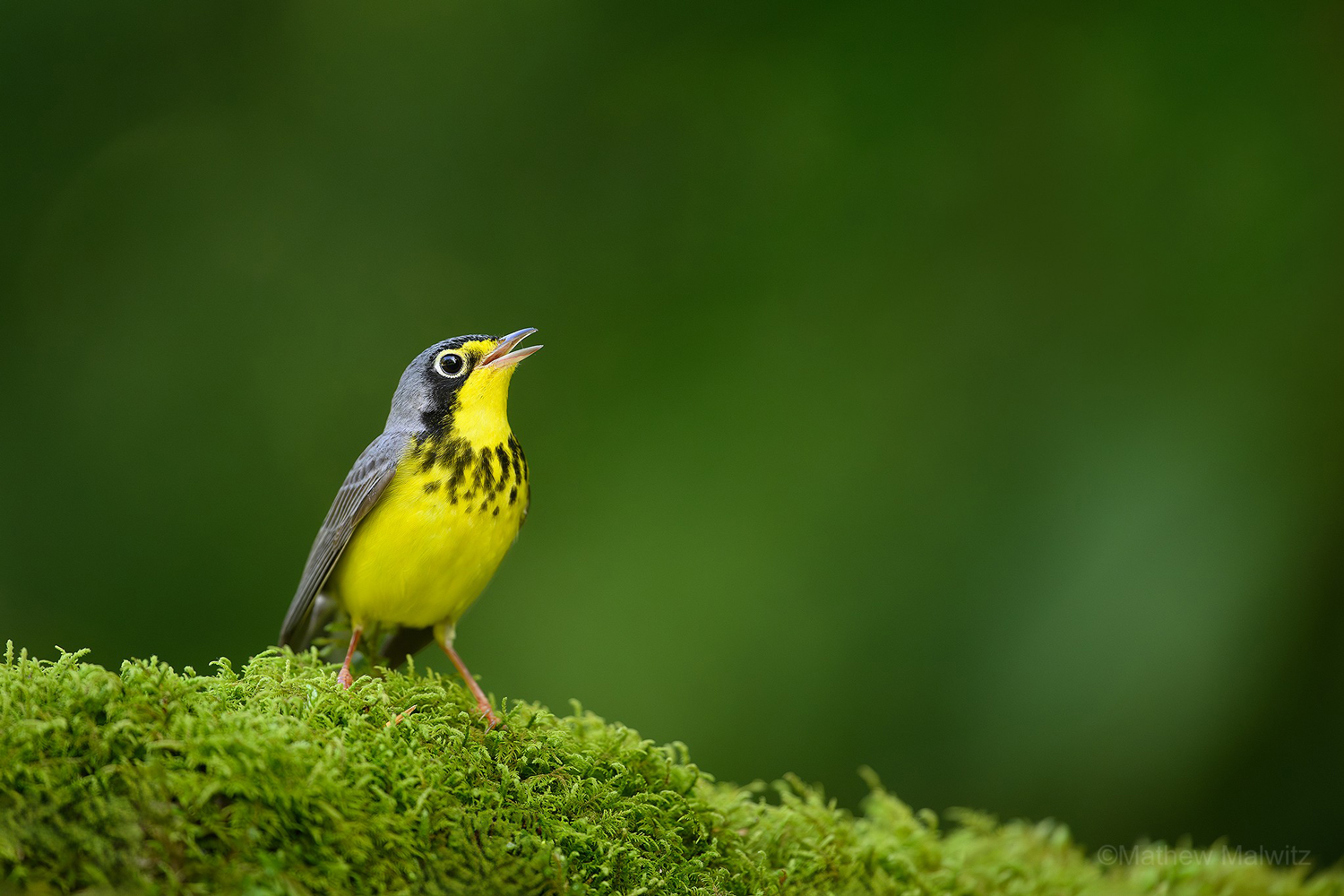
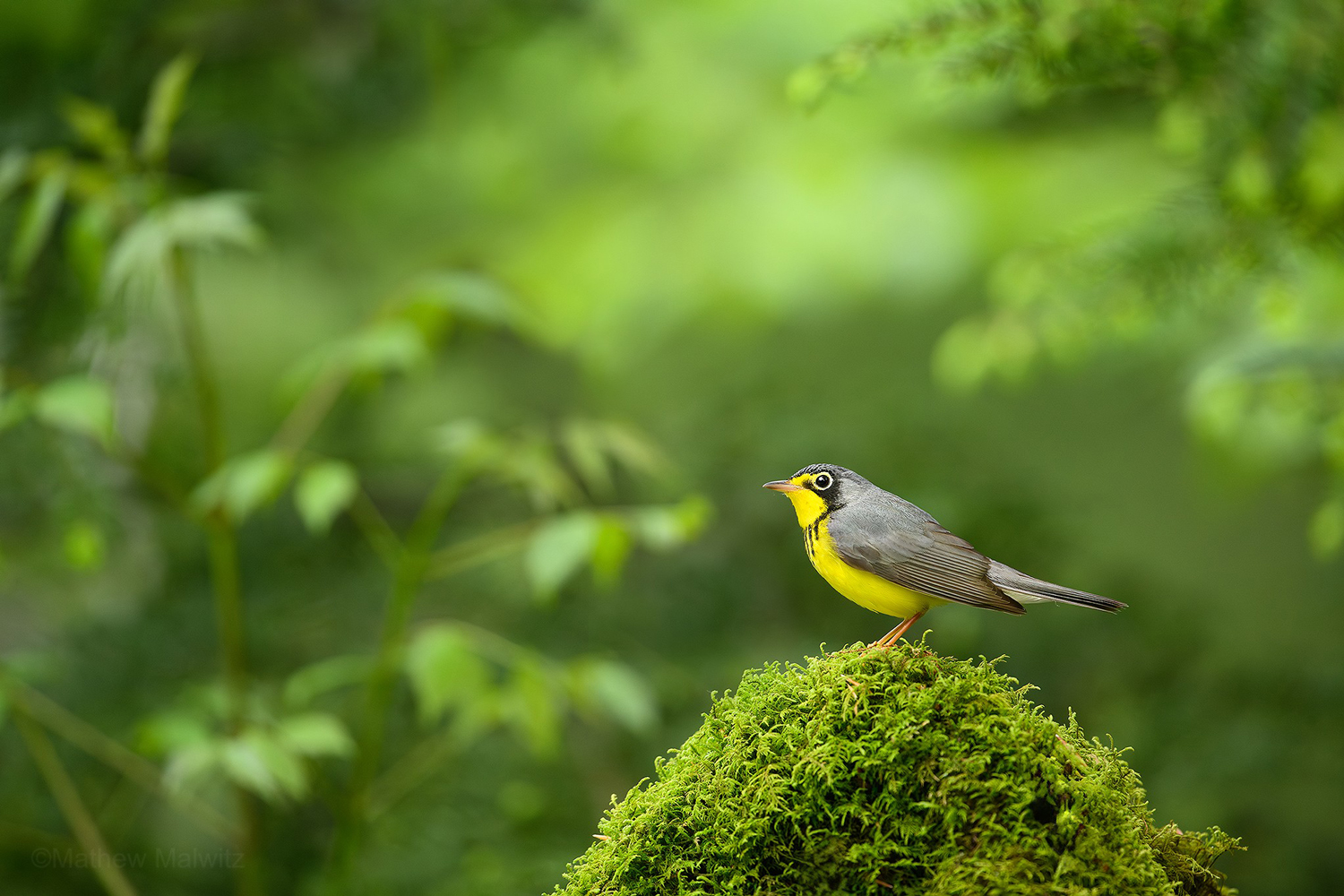
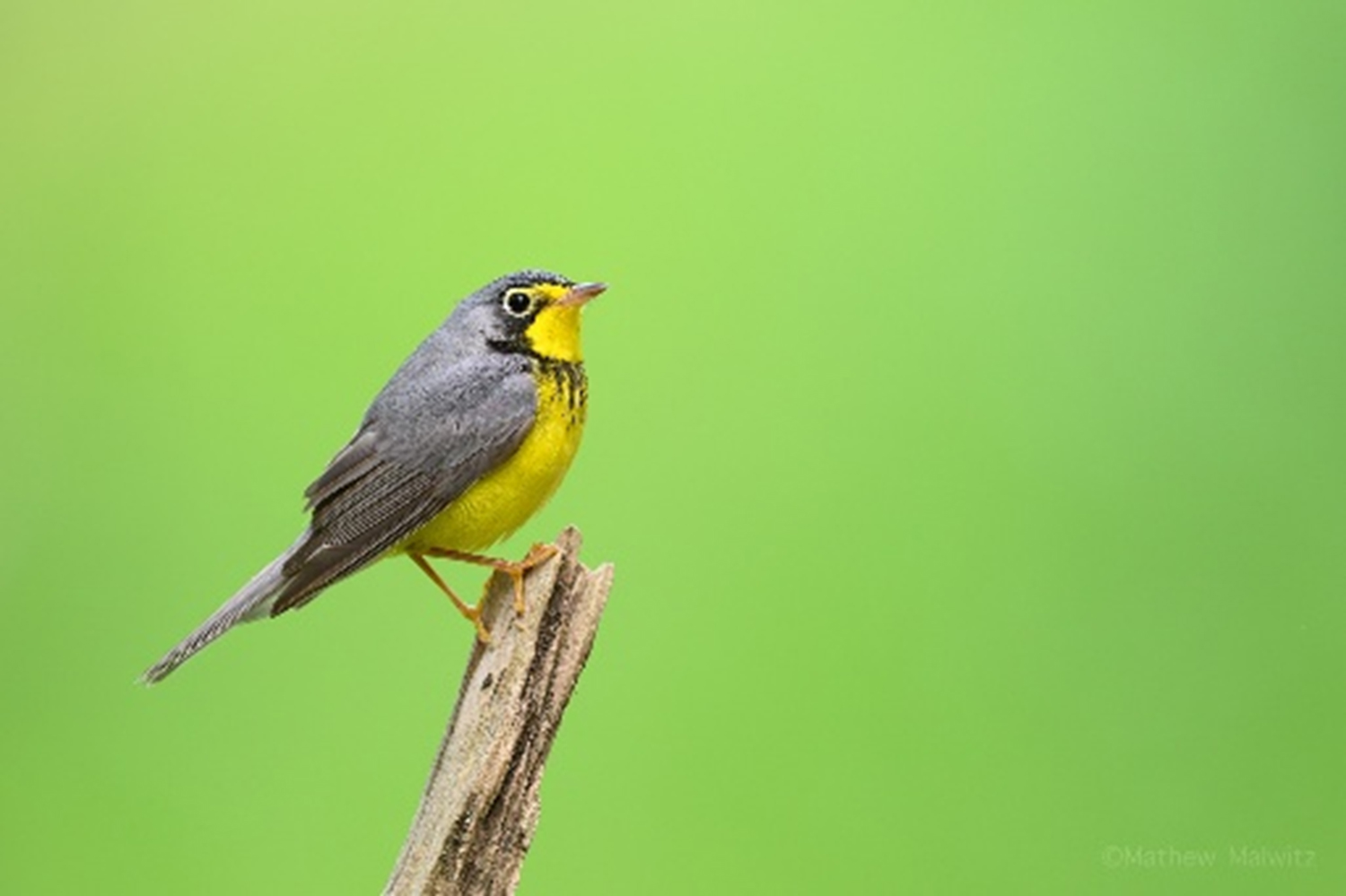
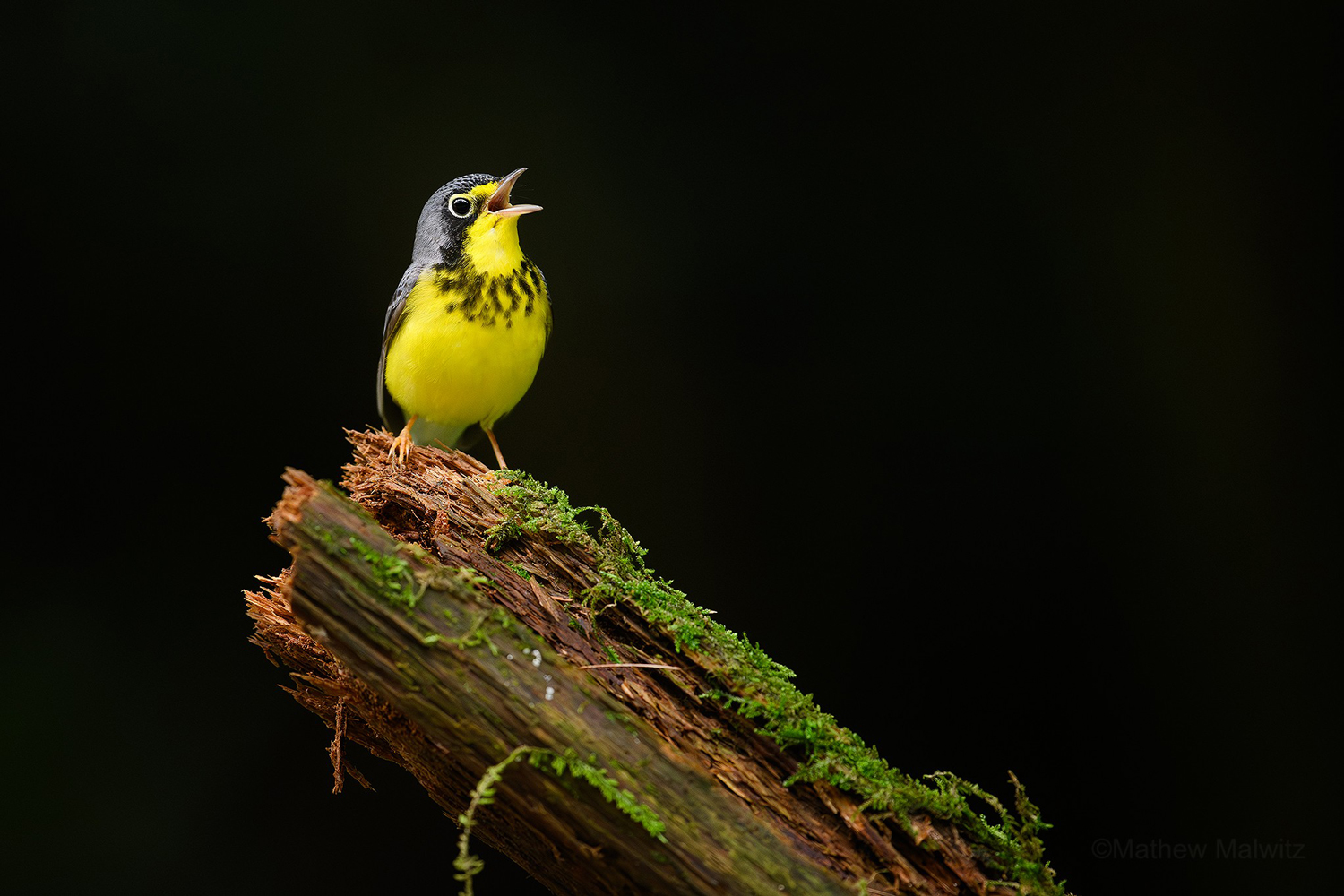
variety of images. Mathew Malwitz
Goals
Bird watchers generally have a better understanding of the birds themselves, having learned the habitat, timing, and individual behaviors of select species. The very act of bird watching is vastly different than bird photography. Birders tend to be focused on species, often finding satisfaction with getting just a glimpse of a bird. So long as they can identify it and put it on their life list, it’s a good sighting. Sure, there are always better sightings to be had, a day where you spot 50 species beats a day stuck inside. They may even have some ID, or identification, shots to share with friends.
A good, clear ID shot can aid us in identifying an unfamiliar face. Sure, we have tools like Merlin, and we can access field guides right on our phones, but the ability to keep a vigilant eye on the trees and ID a bird later is a mode rn marvel we should take full advantage of. A camera is an essential tool for the modern birder, no matter the end goal.
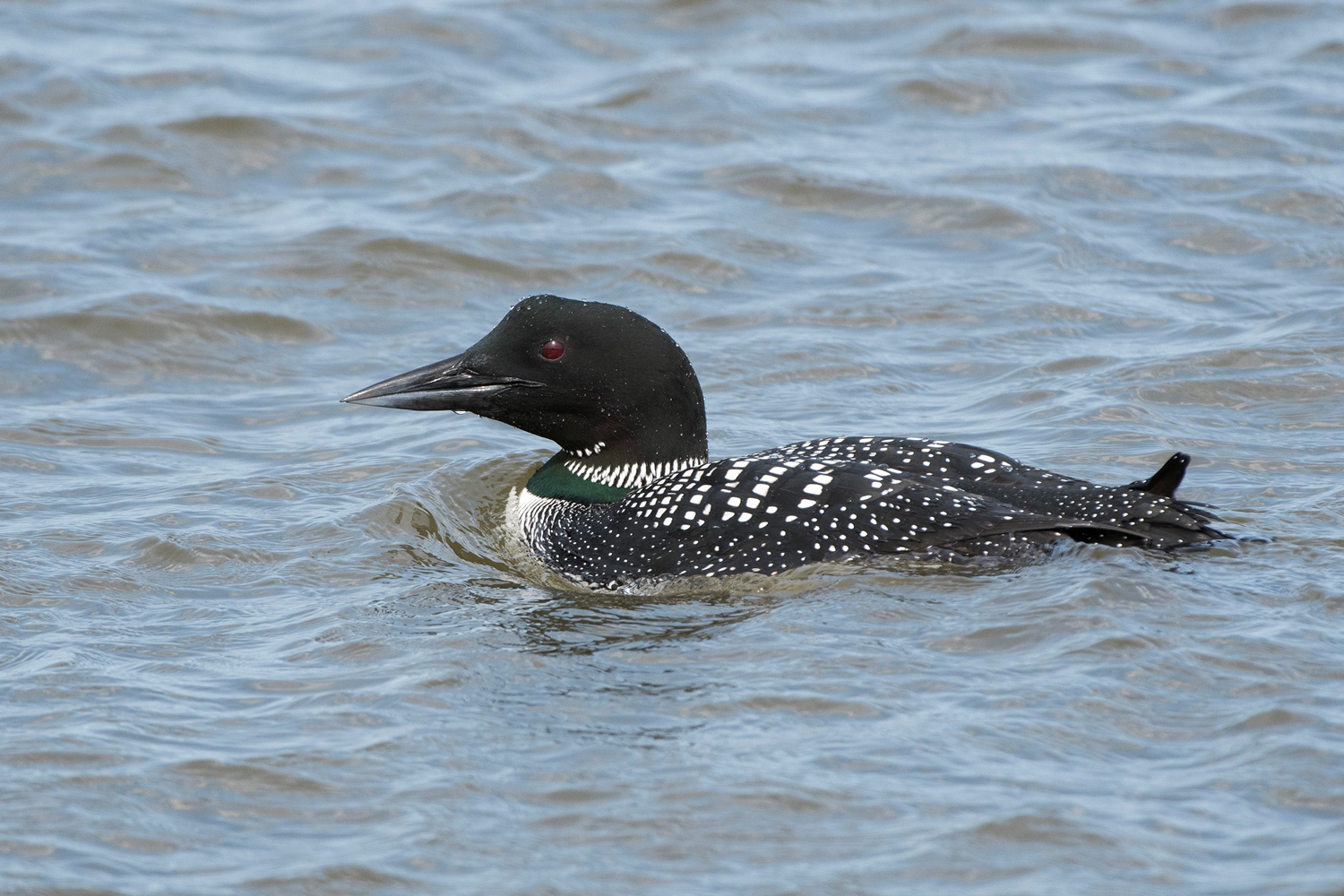
For an ID shot, the goals are quite simple. Capture a technically sound image that is sharp and offers a relatively clear view of the bird or at least some identifiable field marks. If you can tell what you’re looking at, you have a good ID shot. Bonus points if you can capture an interesting behavior or add context, but that takes some skill and a little patience. If you have the patience to do that, you’re on the right path to becoming a better photographer.
“I have always believed that the best wildlife photographs begin long before the shutter is pressed,” James says, and that’s a good practice to follow. If you haven’t done so yet, I recommend reading our article on previsualization. To keep it simple, have an idea of the final image before you press the shutter. Even well before you head out. If you know what kind of image you’re looking to take, you’ll better prepare, whether that mean being out in the best lighting, or being in the right location.
Location
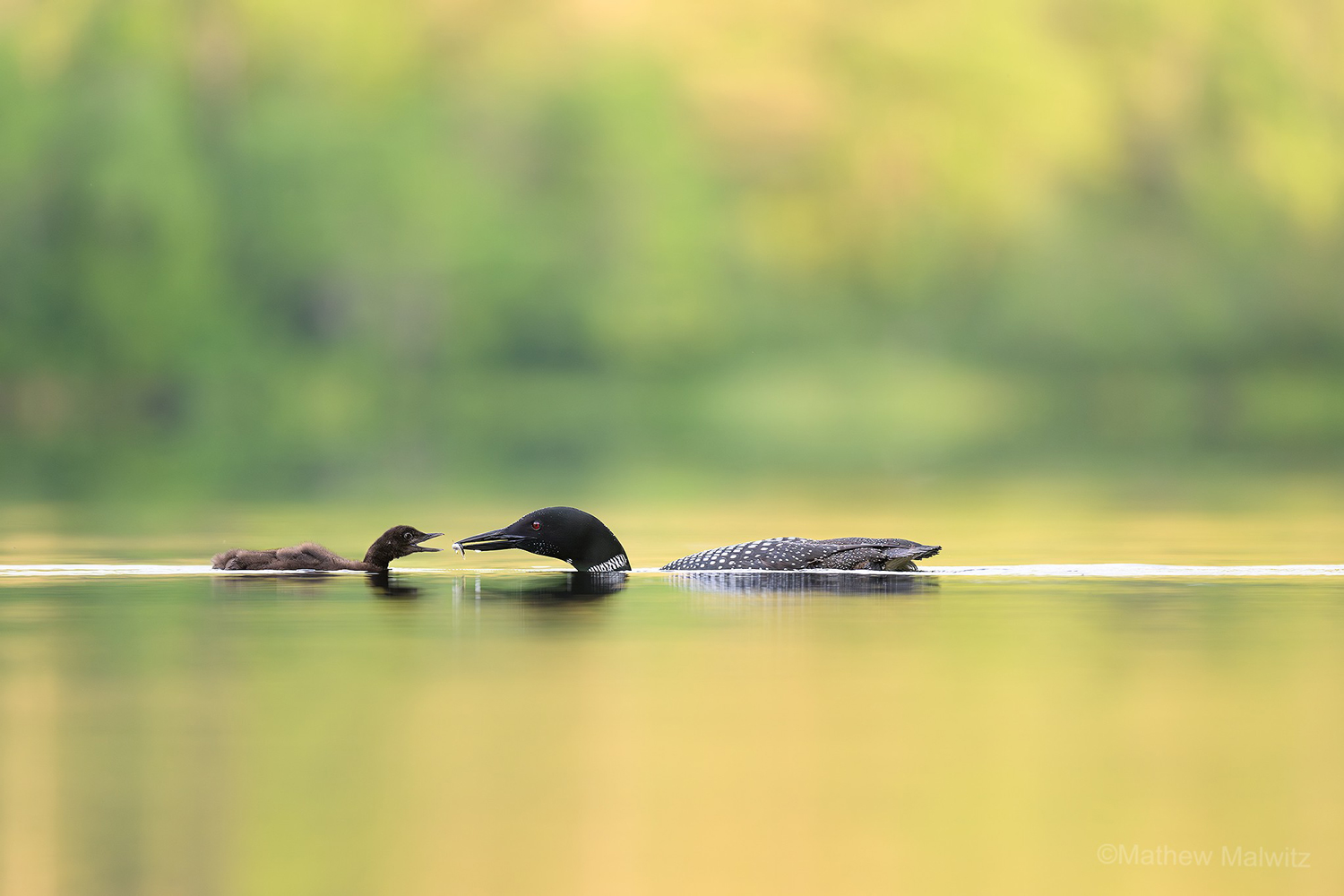
While birders do place a great deal of emphasis on location, it’s not with photos in mind. Casual birders often look where they can see the greatest variety of species, where dedicated birders may single out one bird to add to their list. Warblers, mentioned throughout the intro, come to mind as they’re one of the most popular migration species, drawing hundreds if not thousands to famous trails like Ohio’s Magee Marsh or New Jersey’s Garret Mountain.
These migrant traps are the last bit of green before vast food deserts, but they only offer a brief window for viewing as species make their way north. There’s generally no knowing when one species or another will be moving through, and no good way of predicting where a bird will be within these parks. You’re almost guaranteed numbers if you time it right, but this puts a lot of photography up to chance, and that’s just not a risk many dedicated photographers want to take.
Photographers must know how to find a bird, but they do so with the photo in mind. This may mean traveling to breeding grounds where a bird’s presence is almost guaranteed. The photographer will position themselves in the best spot to get the shot, taking things like perspective, background, and lighting into consideration.
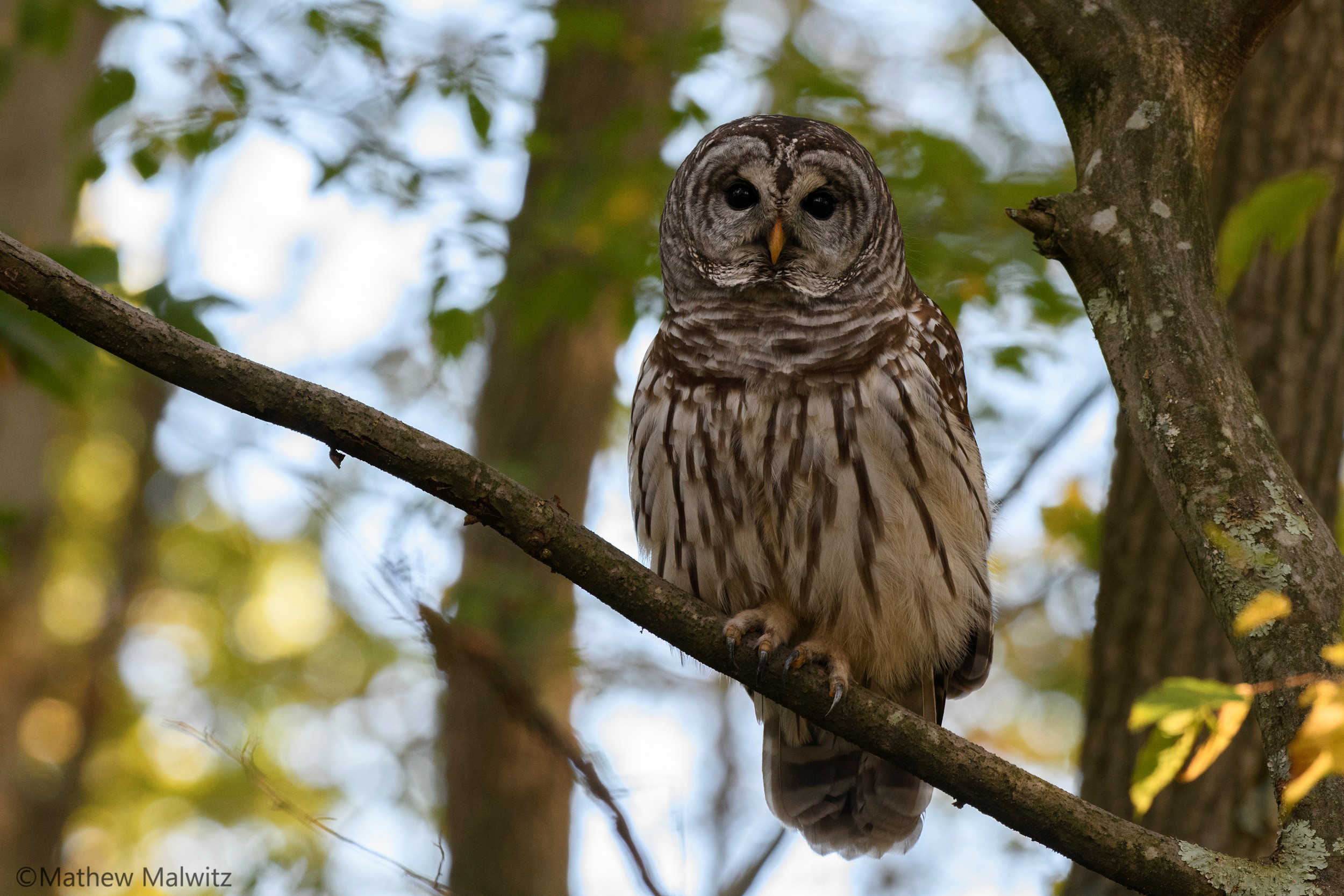
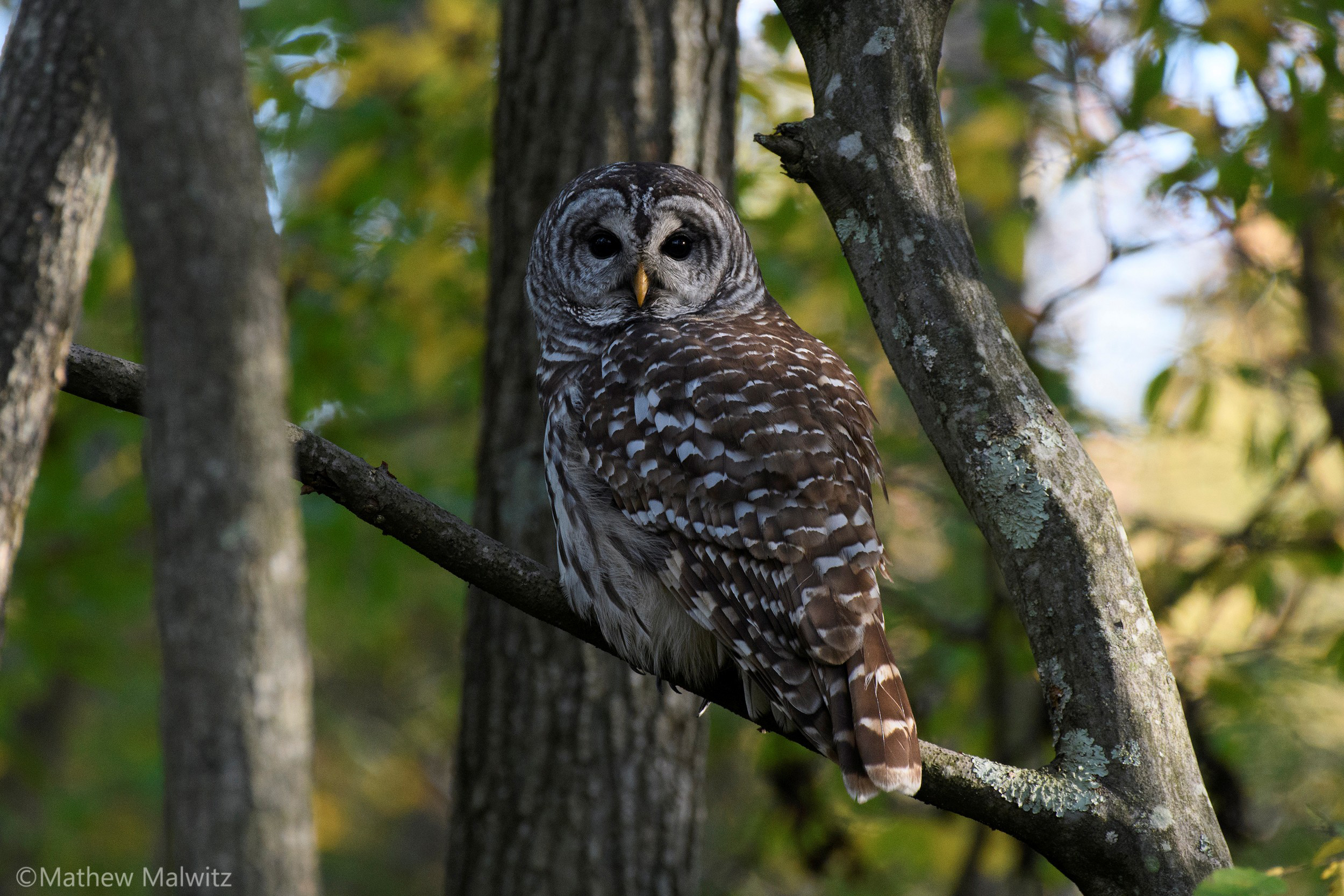
The same can be said for where they’re standing. For instance, we may be in the best spot to see a bird like a barred owl, and perhaps there is a good open perch in front of us. As much as we may dream of it, we can’t force a bird to land on that exact spot. While it would be nice, it may choose a dense tangled spot in the vegetation, making it nearly impossible to get a clear photograph. Even just stepping a few feet to the right or left may open many more opportunities for clean, unobscured images.
Lighting
Photography is, by definition, painting with light. And yes, there is such a thing as good lighting. It is the fundamental aspect of photography that transcends genre and one that can take a subpar image and make it an impactful one. An understanding of light’s direction and the qualities of light are generally of no concern to the average birder. Sure, they tend to head out in the early morning, but not because the light is good, but because the birds are most active.
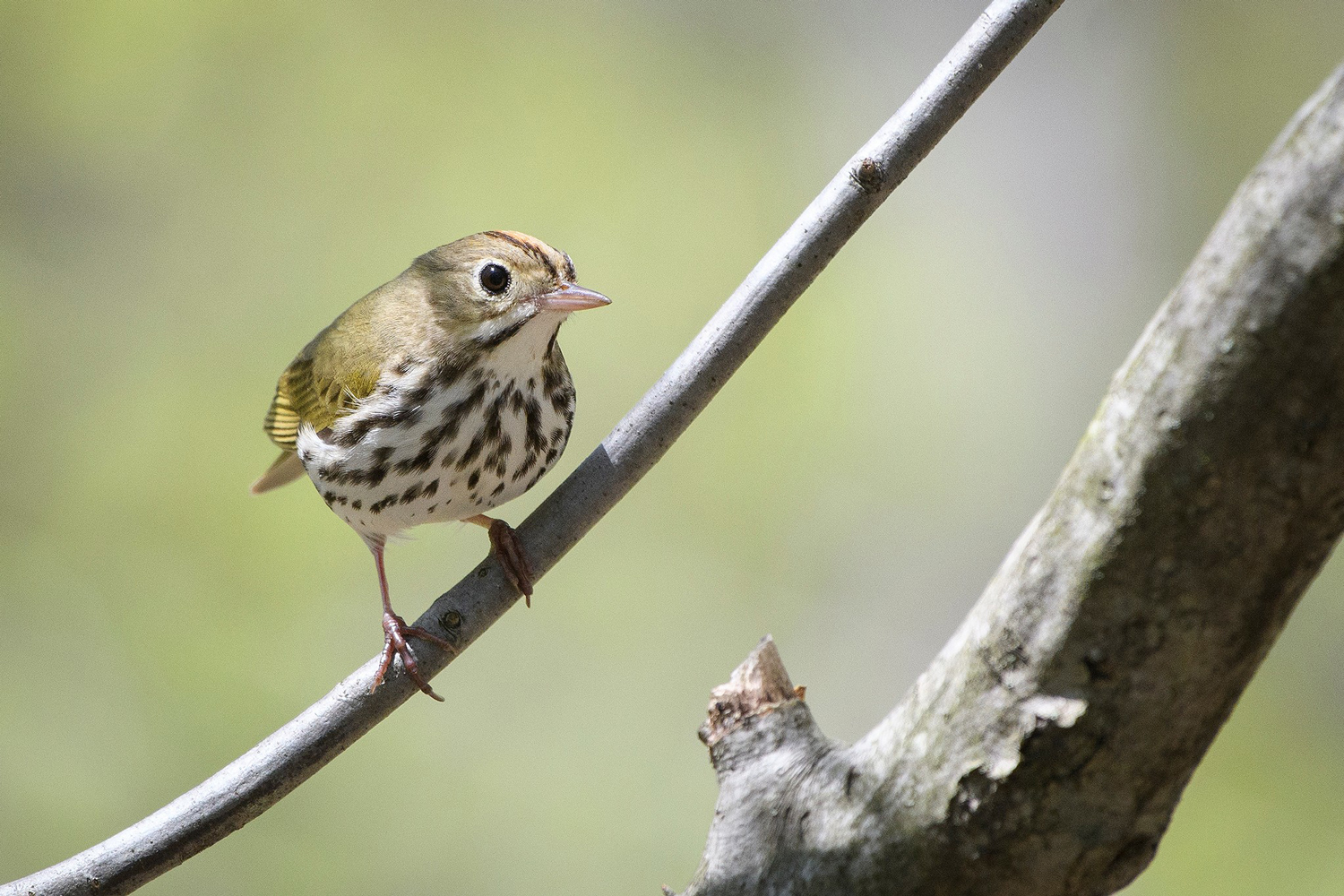
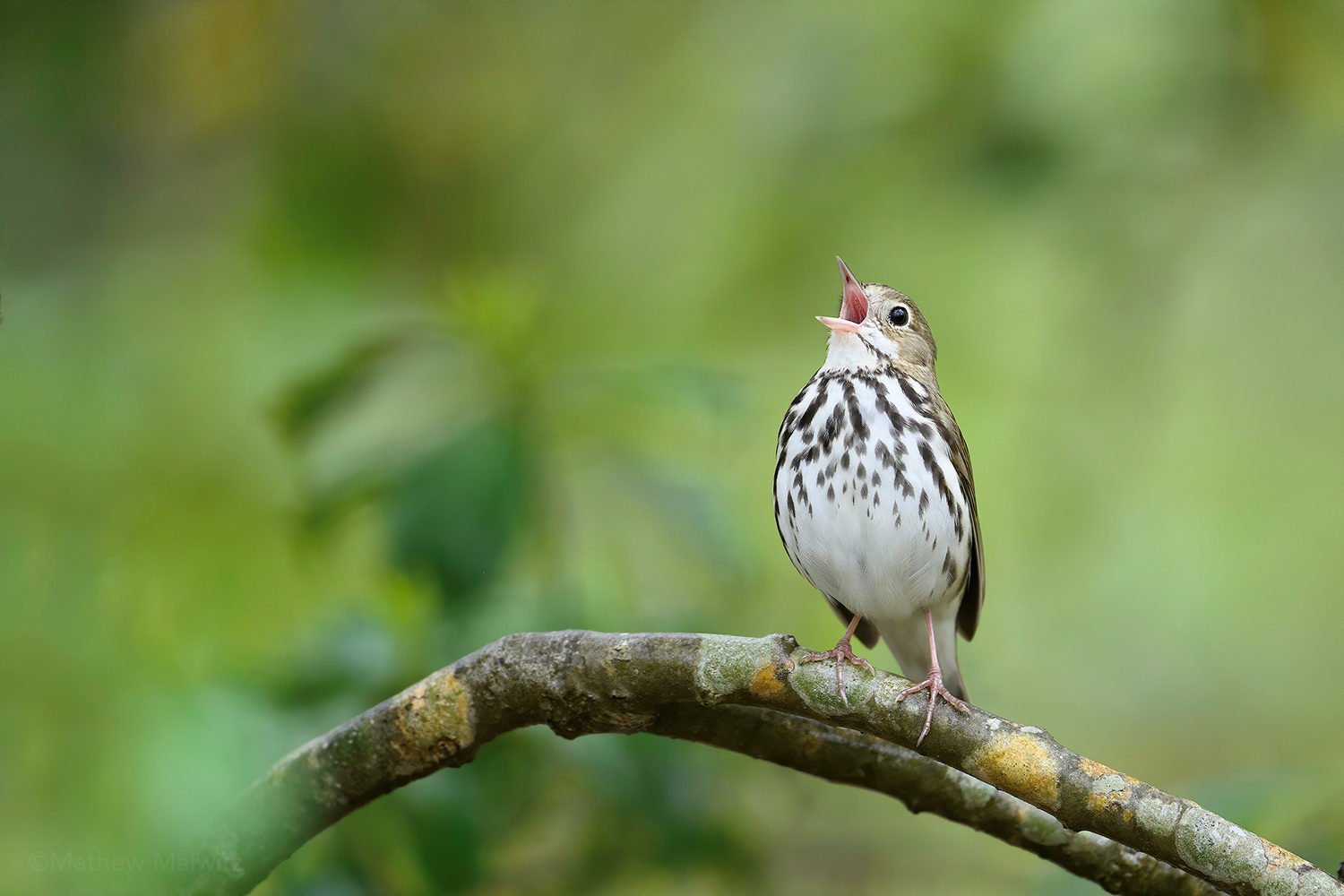
So long as you can tell what species you’re looking at, the harshness of the light is not anything to worry about. Harsh shadows and blown highlights are of no consequence in the eyes of someone just trying to identify a bird. What matters most is that we have visual on the key markers that we need to identify the species such field marks, shape, and size.
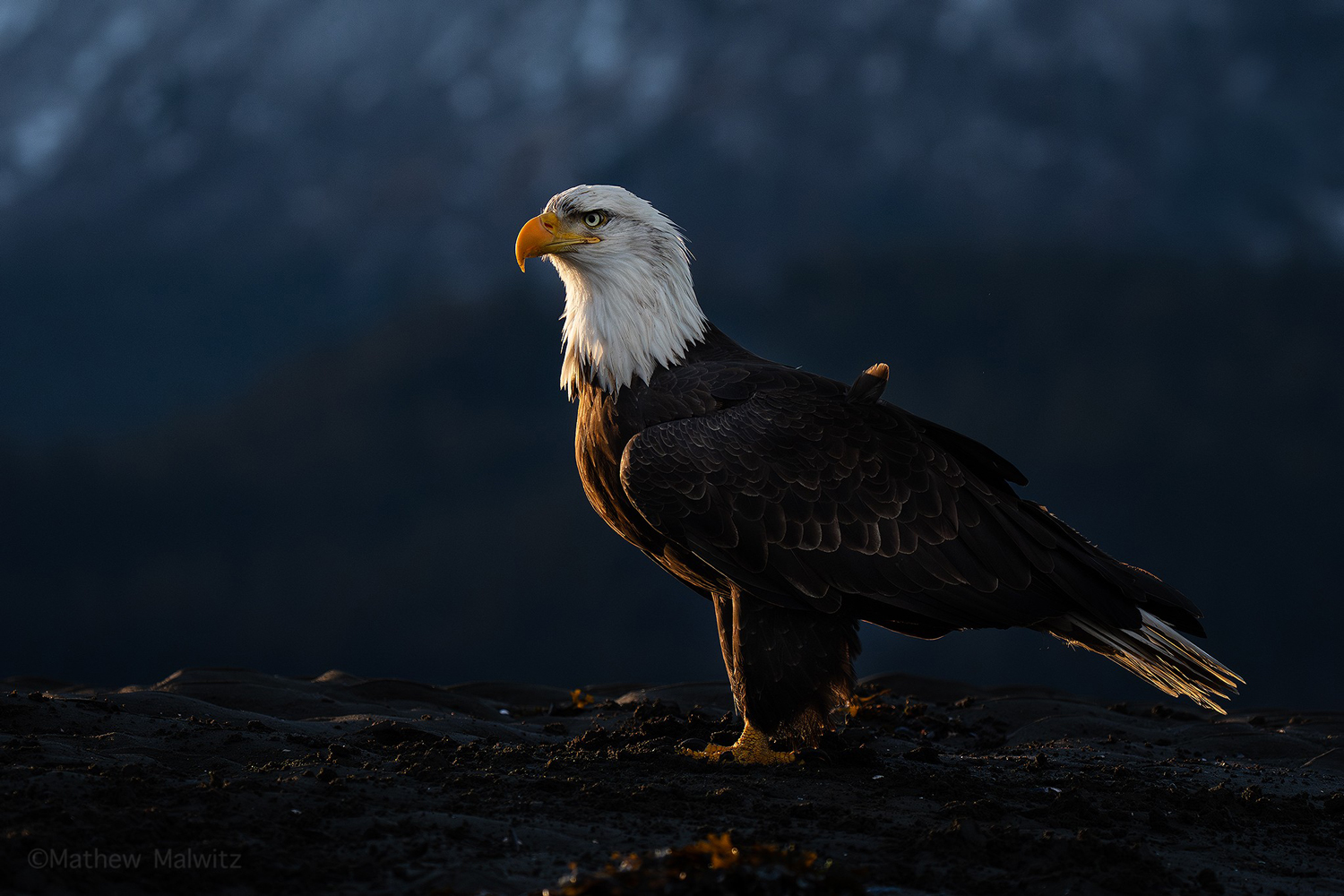
Good light for wildlife photography is quite different. It is generally highly directional and evenly distributed. Gone are the inconsistencies of midday light filtered through the trees. Think golden hour in the first and last moments of the day. The sun sits low in the sky and casts a warm, soft light across the landscape. Even cloudy days can be fruitful, offering soft diffuse light, free of harsh shadows throughout the day.
Composition
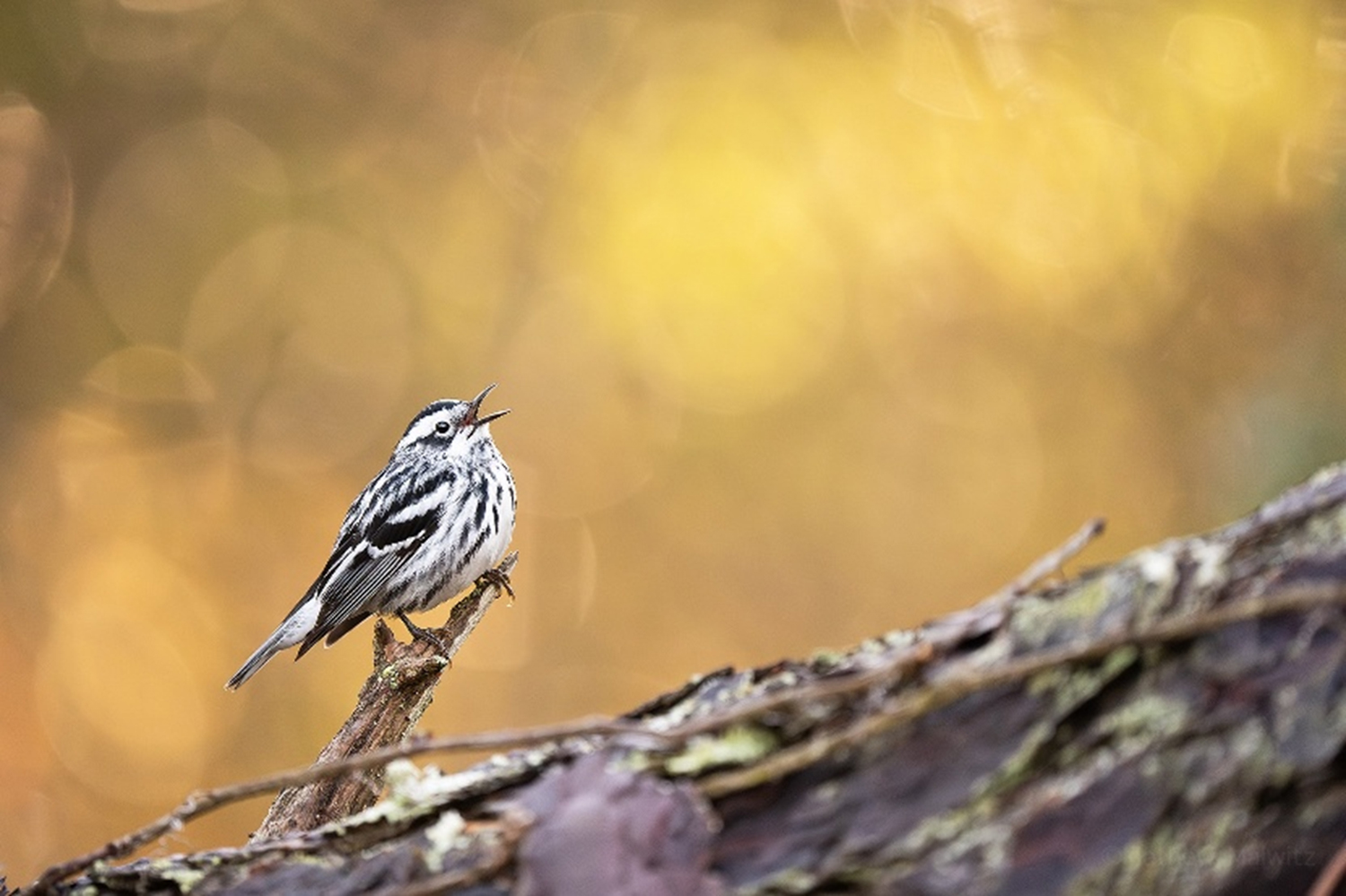
When we finally see that pesky black-throated blue warbler that’s been taunting us from a shroud of dense vegetation, our first instinct is to just press the shutter a get a shot. This quick snap makes for a nice ID shot and will surely get some positive feedback from your fellow birders. Let’s be honest, we’re all proud when we get a clear ID shot.
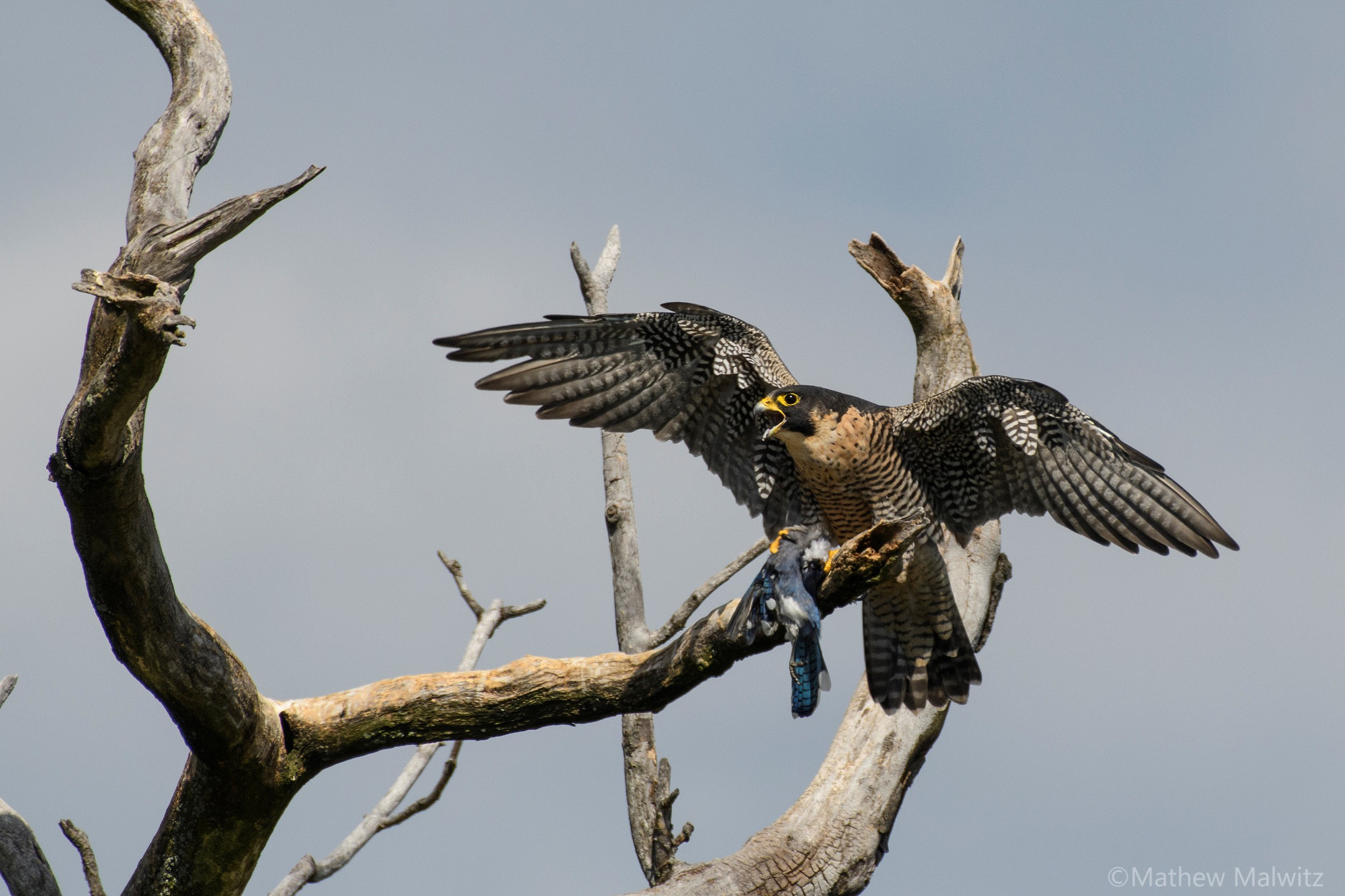
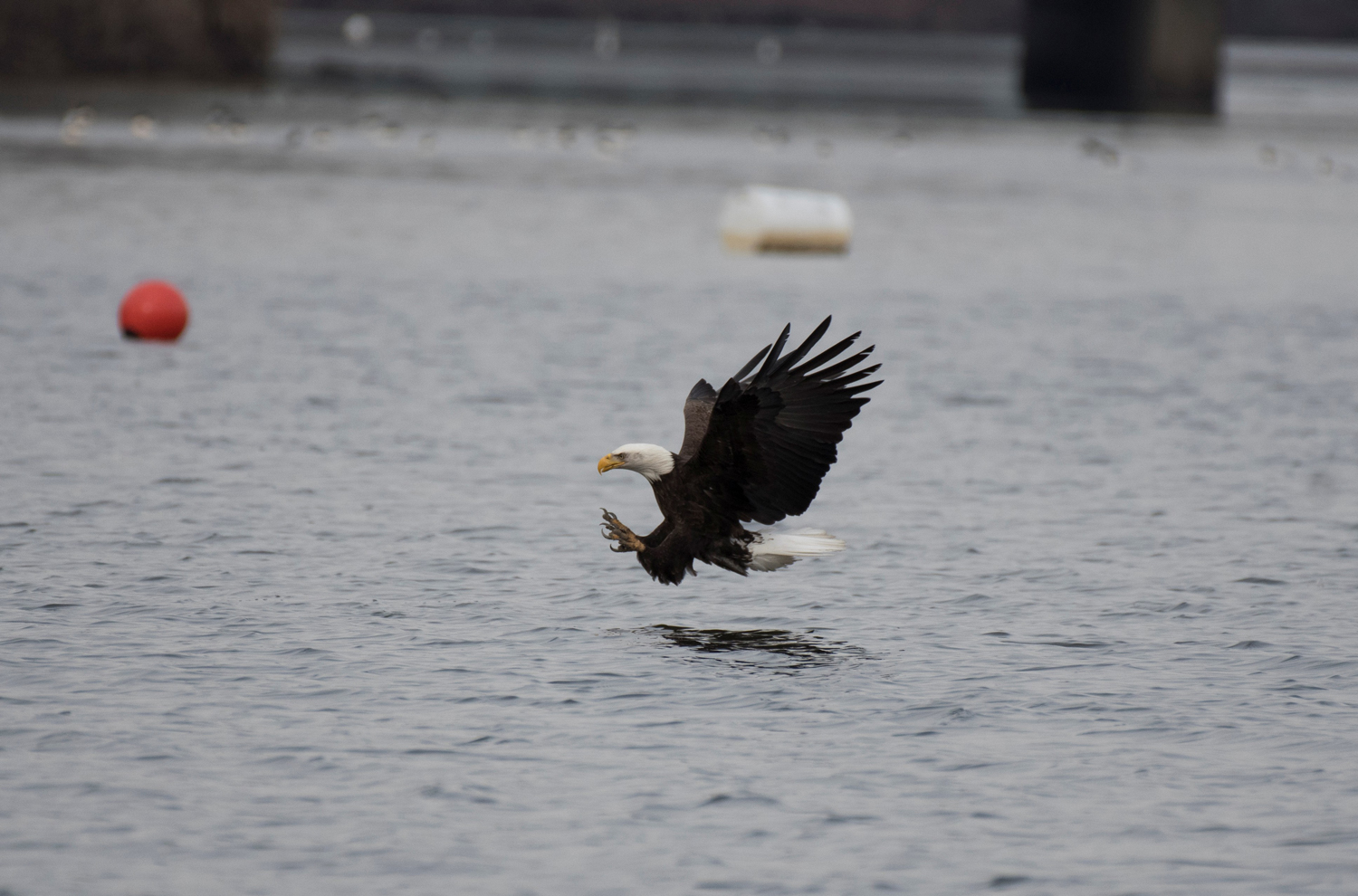
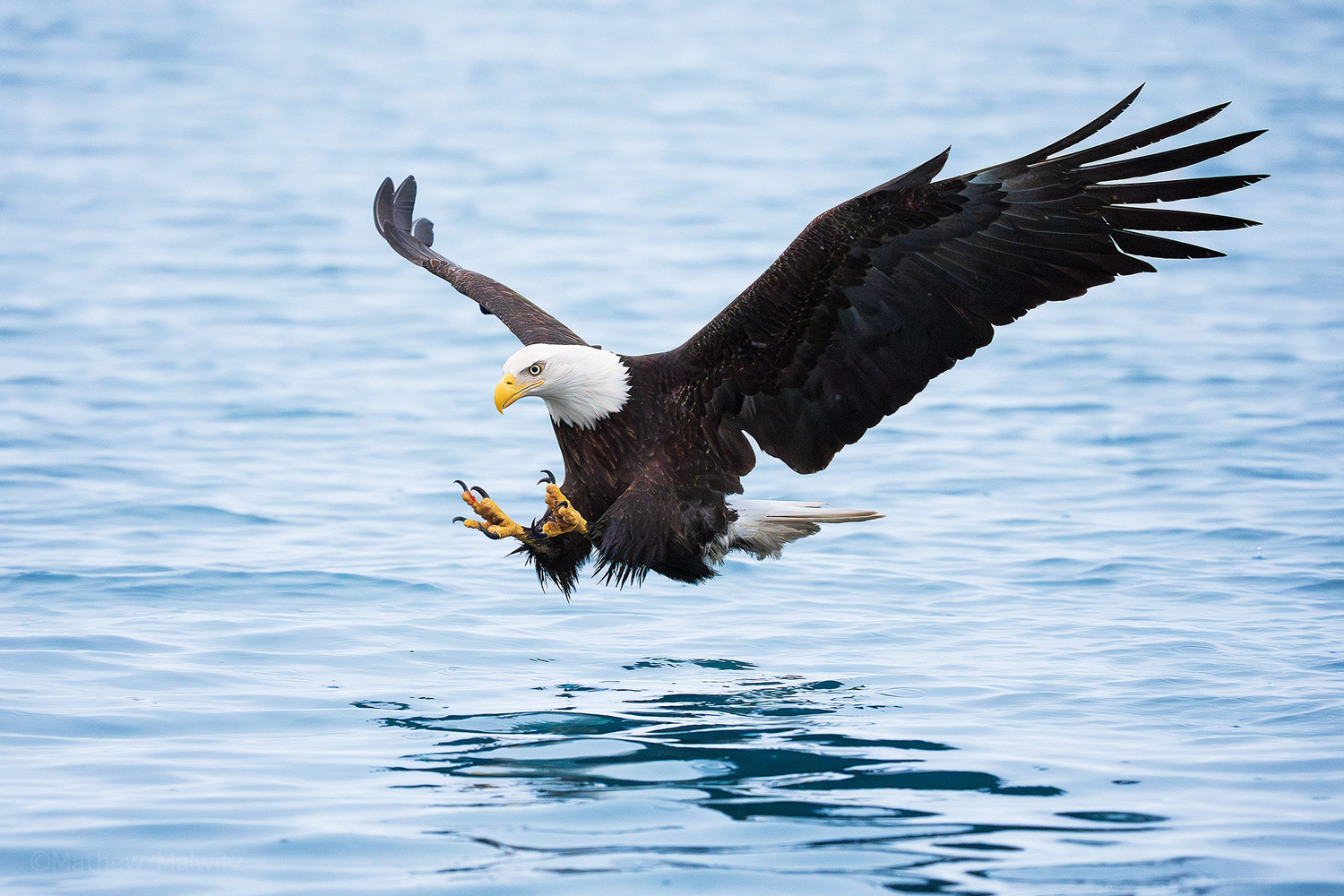
This textbook shot is good, but if we want to take a photograph that stands out, we need to consider more than just the bird and how sharp it is. Arguably one of the most important aspects of photography is composition. It is how the elements in an image are situated and juxtaposed to one another, and this is very intentional. While nature is unpredictable and we can’t tell a branch how to grow, we can be selective in where we position ourselves as touched upon above under location, and we can be more selective when we press the shutter.
This isn’t always on the birders mind as they’re trying to get a good look at the bird in front of them. Once they get a clear shot, they pack up and move to the next spot. They’re not necessarily concerned with the other possibilities or the act of “working the subject” as a dedicated photographer would be.
Patience
Birders are patient. They’ll sit, sometimes for hours, on boardwalks, observation decks, and ridgelines watching and waiting for birds to pass. This is a trait that will actually help a bird when it comes to taking photos. However, there are aspects of patience that many birders neglect, such as going beyond getting a shot and waiting to get THE shot.
Photographers are especially patient, as they wait not just for a view of their quarry, but a certain behavior, or for them to land on a particular perch. It doesn’t always happen, but the only way to know is to wait it out. This is where a birder’s knowledge of behavior comes in handy, as they can anticipate when that moment may occur. Though, while birders may better recognize behaviors in birds, there’s a mistake that birders often make in the field when it comes to etiquette.
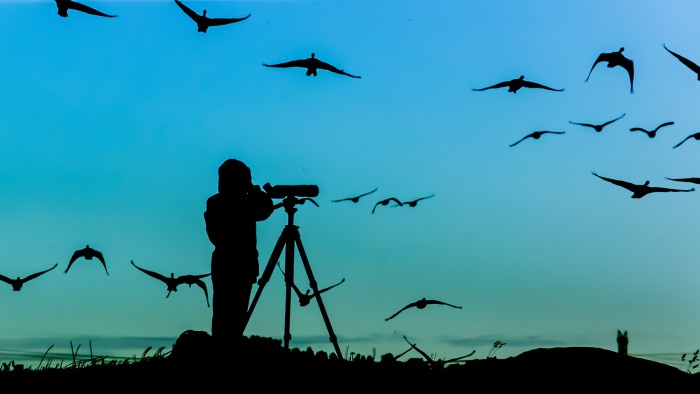
A birder may get excited and unintentionally chase a bird that begins to move around, whereas an experienced photographer knows that moving will only chase the bird further away. Sometimes, it’s best to remain still and let the bird do its bird thing free of interruption. In many cases, the resulting photos will better represent a natural behavior.
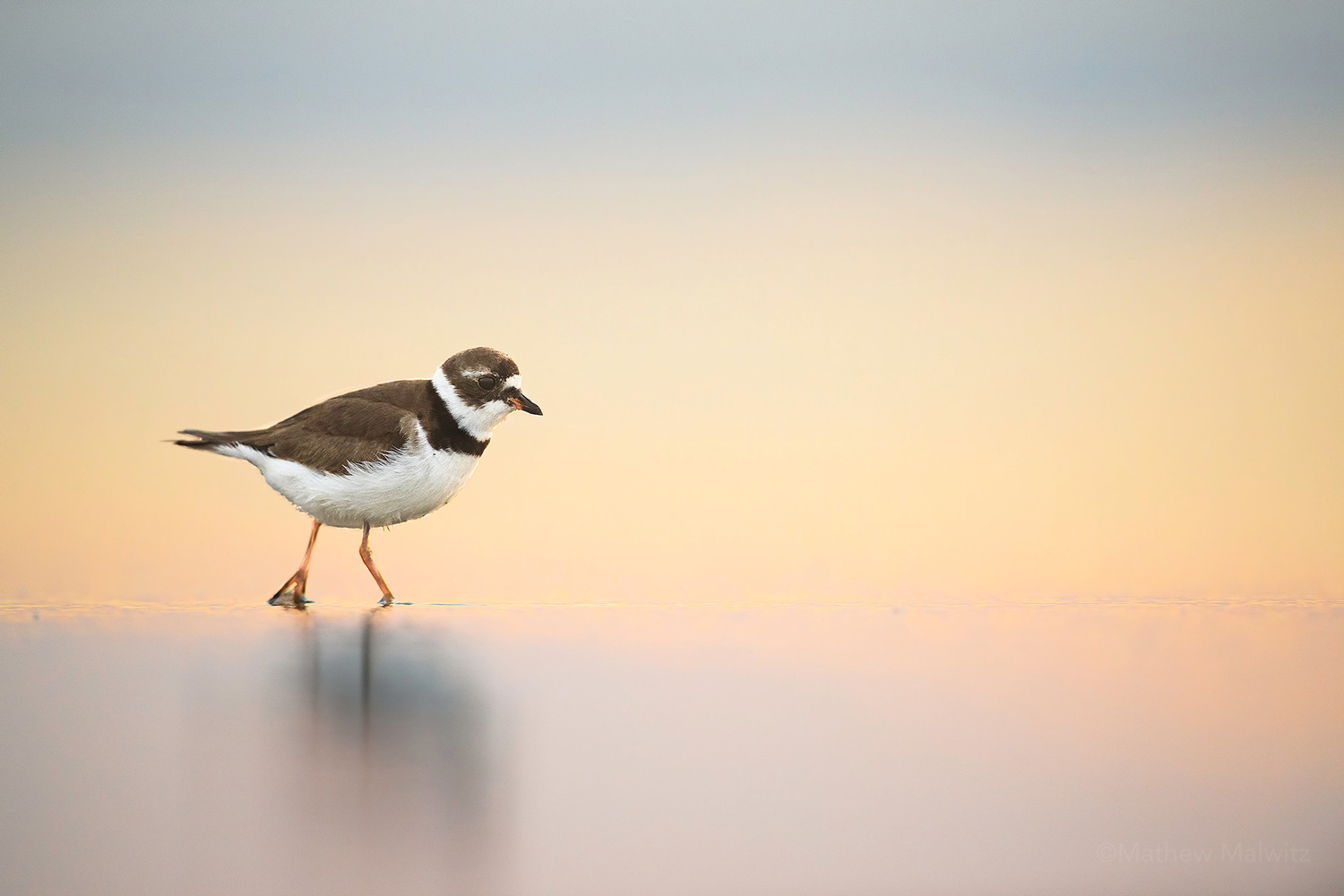
Shorebirds for instance, are an especially skittish bunch when confronted with an upright human form. Lay down in the sand and you’ll find that those fears dissipate within a short time and the birds will soon return to their regularly scheduled programming as if you were a seal in the surf. After getting down to their level, small sandpipers and plovers may often walk right by you, so long as you aren’t moving around too much.
Post Processing
Even when you take a good photo right in camera, it’ll never look exactly like it did to the naked eye. To get it back to that there are ways we can better optimize an image after the fact when editing. To the average birder, this can seem like sacrilege. After all, what are we doing with our images other than documenting an observation we made?
There’s a sort of negative connotation that folks have with the concept of editing. It can be interpreted as fixing something they did wrong when they pressed that shutter button when in reality, it’s a natural part of photography. Even in the days of analog film photography, much of the magic occurred in the dark room. Ansel Adams, the father of the modern landscape, used tools like dodging and burning to selectively brighten and darken areas of the frame to better highlight areas of importance and to best match the image to how the scene looked and felt to the naked eye.
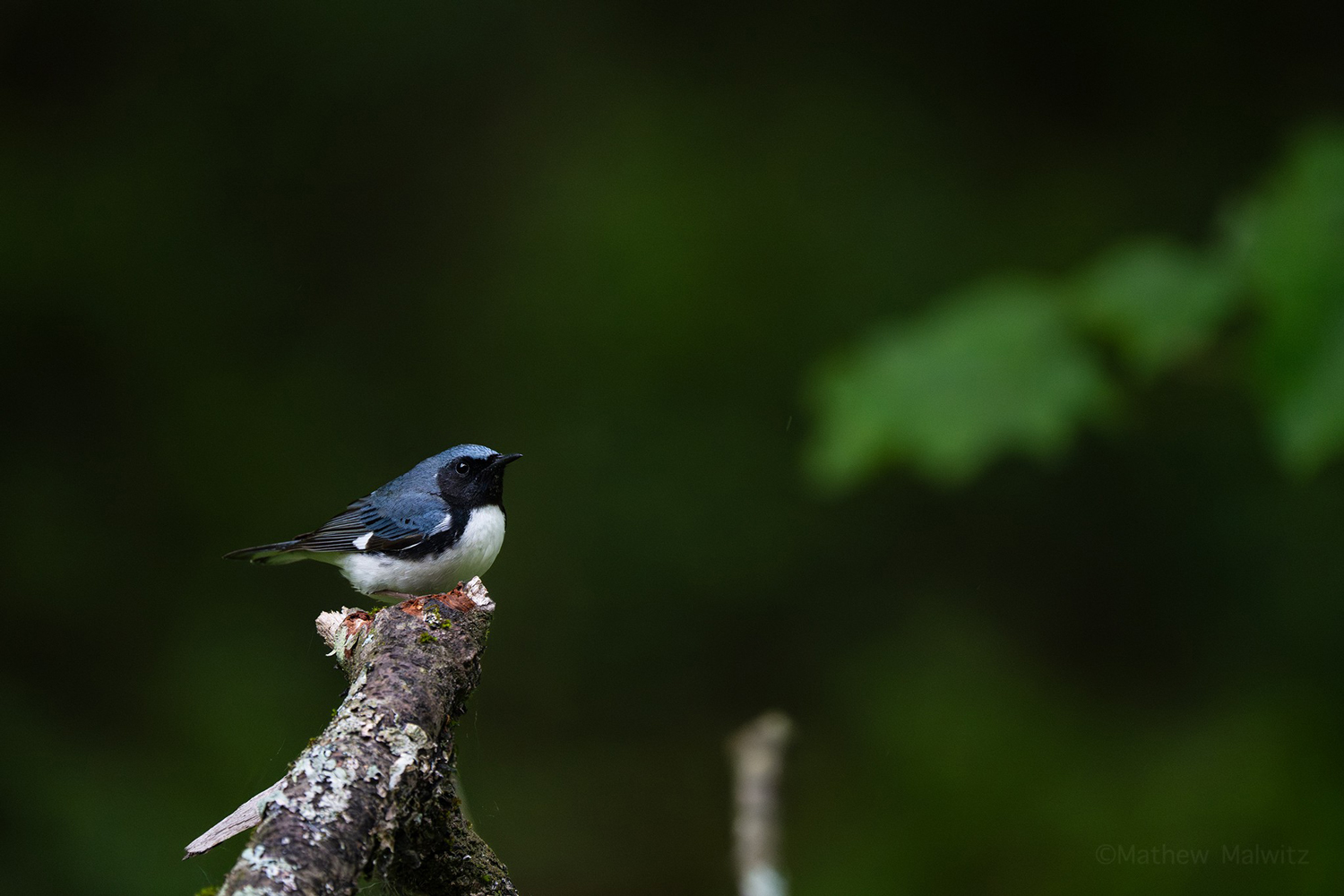
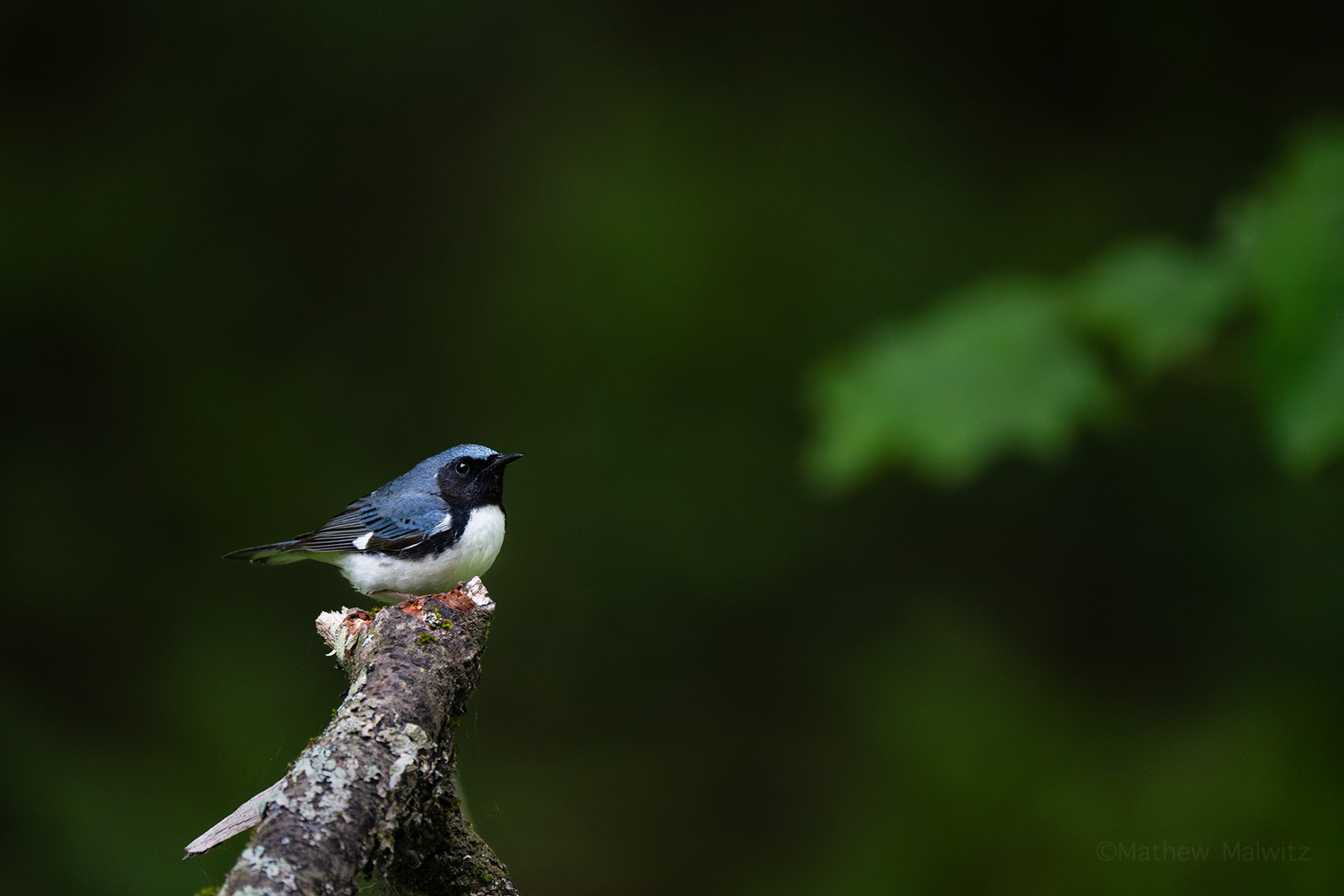
Editing and how far we take it is a highly subjective topic. What one photographer considers to be a normal edit may be over the top for another, but what matters is that they both use post work to optimize their image and make it look the best it can, even if that means enhancing some aspects beyond the way it looked it person.
Depending on your goal, removing objects may be counterintuitive. A photojournalistic approach may see such alterations as problematic. With wildlife, most publications such as the Audubon Society will prefer an unaltered image over one with significant changes. That said, a fine art photographer sharing their work on their own may have no such scruples. They may have no issue removing even the bright green foliage from the frame so long as it adds to their creative vision and doesn't alter the subject of the photograph beyond recognition.
Where Birders Thrive
Wait, isn’t this an article about why birders struggle with photography? Yes, but there’s also much they do that works in their favor. We spoke about the understanding of bird behaviors, but this only scratches the surface of the skills which can be adopted by non-birders to better their photography. Look at any great bird photographer and you’ll see that many of their practices are based on those of bird watchers.
Their ability to put themselves in the best possible situations all comes from the observational skills they developed by just birding. They’ve come to know the markings, how a bird moves both on the ground and in the air, they may even know the sounds, giving them the ability to identify what’s around without needing binoculars. What’s even more important is that they’re always learning more about their quarry. What does a bird do before it flies? How do they know what direction it’s going to look? These questions become less ponderous, and more predictable with observation.
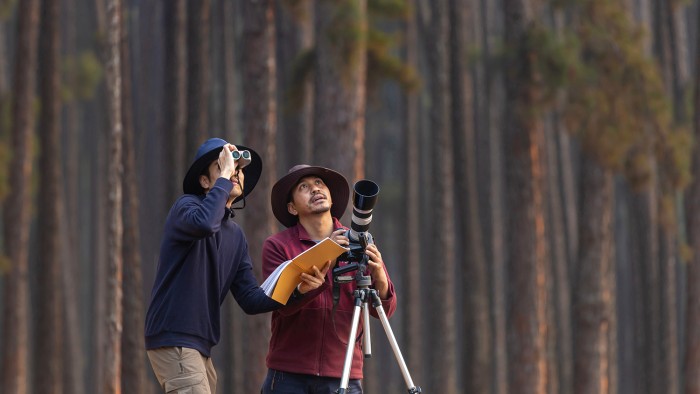
As James points out, “Birders often make strong photographers because they learn to observe before they learn to photograph. Understanding behavior, habitat, and timing allows them to anticipate moments that many photographers simply react to. If I had to summarize it in a single sentence, I would say this: Birders learn to observe, and observation is the foundation of great wildlife photography.”
Put It to Practice
As with all aspects of photography, the more you practice, the better you’ll become. No matter where you start in your bird observation journey, you can better your creative eye. I can say this from experience. While photography may be my priority, I still dabble in bird watching, where I leave my camera at home and focus on finding the birds without any particular objectives.
This has, in my humble opinion, honed my skills at finding and identifying birds from a distance and by sound, as trait that many photographers forgo in their quest to capture the shot. Just as I would recommend this practice to any photographer looking to better their bird finding skills, I recommend the opposite to any birder looking to better their photography.
As hard as it may be, leave the scopes and guides at home. Do this, at least in the beginning, and practice focusing your efforts on the shot rather than the list. Remember to pay closer attention to the points mentioned above. Before you know it, you’ll be looking at light, location, and composition just as closely as the number of species observed.
Bird photography can be challenging, but that’s what makes it rewarding. As the saying goes, if it were easy, everyone would be doing it. Hone your skills, and you’ll be well on your way to taking stunning photographs.
If you’d like to learn more about birding and bird photography, check out our articles and videos on the topic. If you’d like to dig deeper into the world of photography, take a look at our other guides, articles, and reviews on the B&H Explora page!
