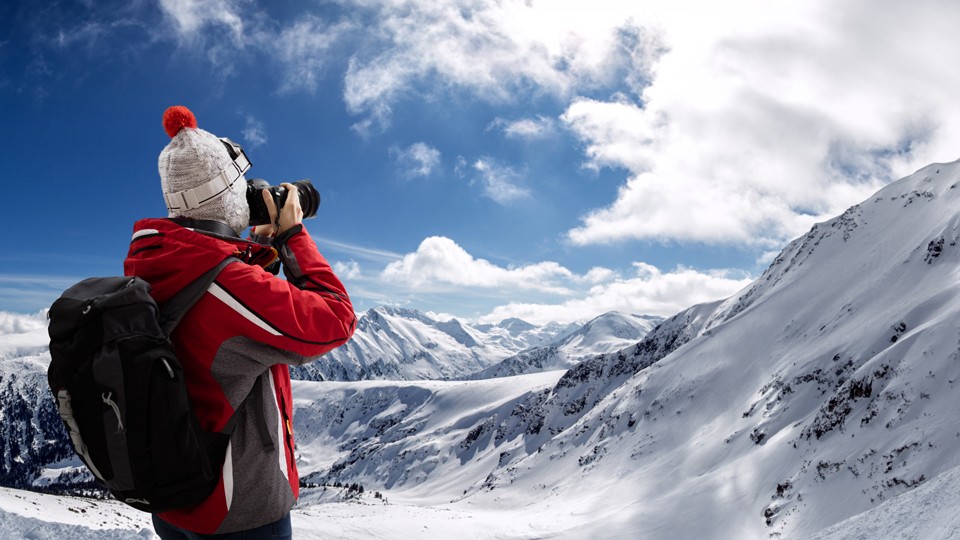
Any place in the world can be a photo destination in the winter, but the general idea is to explore a few locations that offer wonderful photographic possibilities in winter that they might not offer in summer. We want to make use of all that snow and everything else the cold temperatures have to offer. After all, we can enjoy the warmer weather come spring. We can always blend in a bit of that warm escapism we all crave after a few months of short days, snow, and cold.
Lake Reschen and South Tyrol, Italy
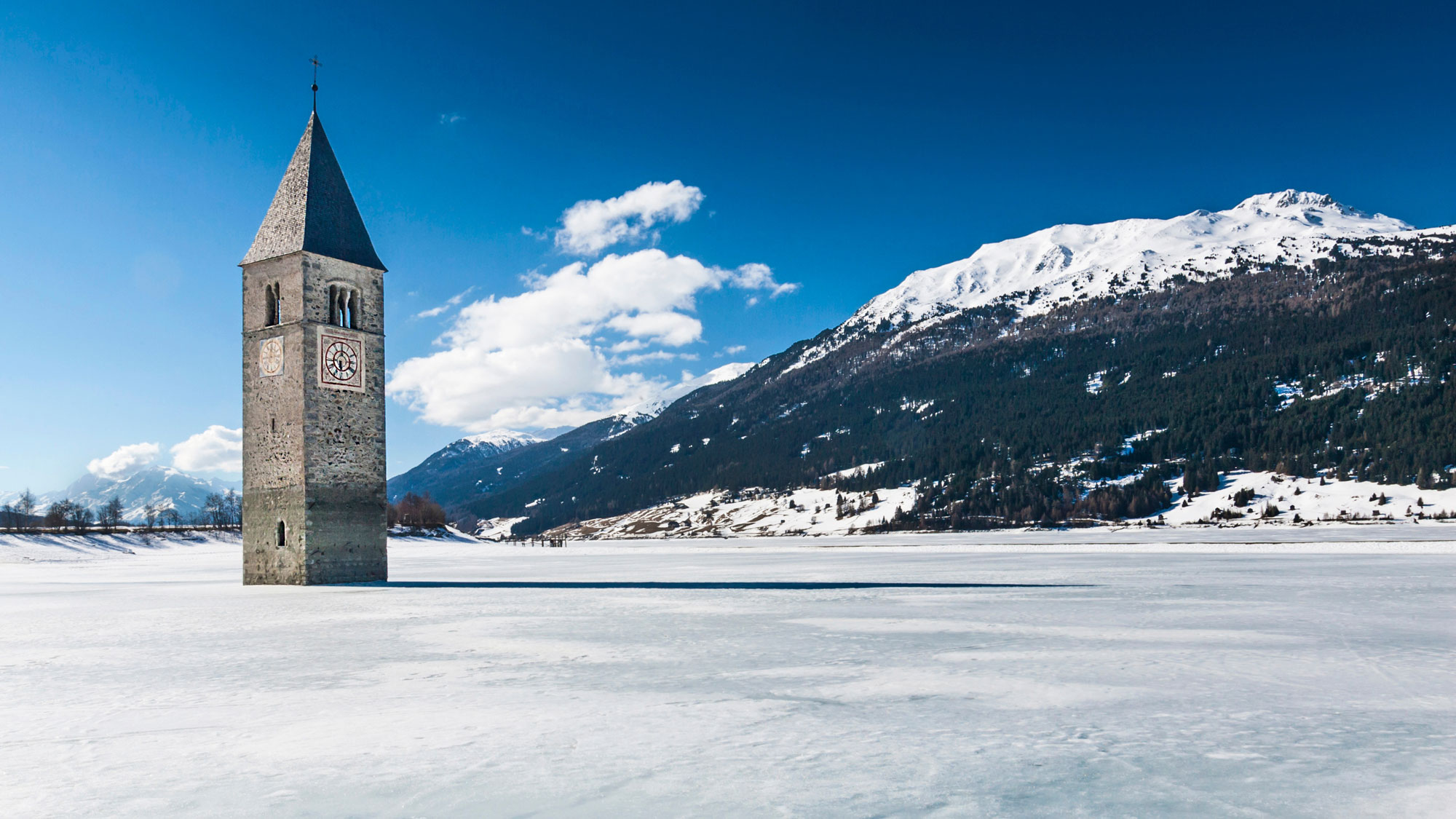
The Tyrol region of northern Italy and Austria offers some of the most beautiful alpine scenery in the world. Perhaps the mountains aren't as high as the Himalayas nor as perfect as the Matterhorn or Chamonix, France to the west, but for craggy peaks dusted with snow, villages with that one perfectly placed bell tower, and music echoing through the valley, this is the place to visit. And speaking of bell towers, make the trip to Lake Reschen, which was created in the 1940s, when the area was damned and the towns of Graun and Reschen were submerged. The bell tower, which dates to the 14th Century, can be reached by foot when the lake freezes and, with mountains in the distance, makes for great photo opportunities.
Any interchangeable lens camera with an all-in-one zoom starting at 24mm can be a powerful tool in this environment. These lenses are often referred to as "European vacation lenses" for good reason. They cover everything from landscapes to portraits, and while on vacation in the Dolomites, there can be plenty of both. Also worth a visit is the Messner Mountain Museum and, of course, there is much skiing in the region. For that we recommend a pocketable rugged or "tough" camera such as those made by OM System.
Fairbanks, Alaska
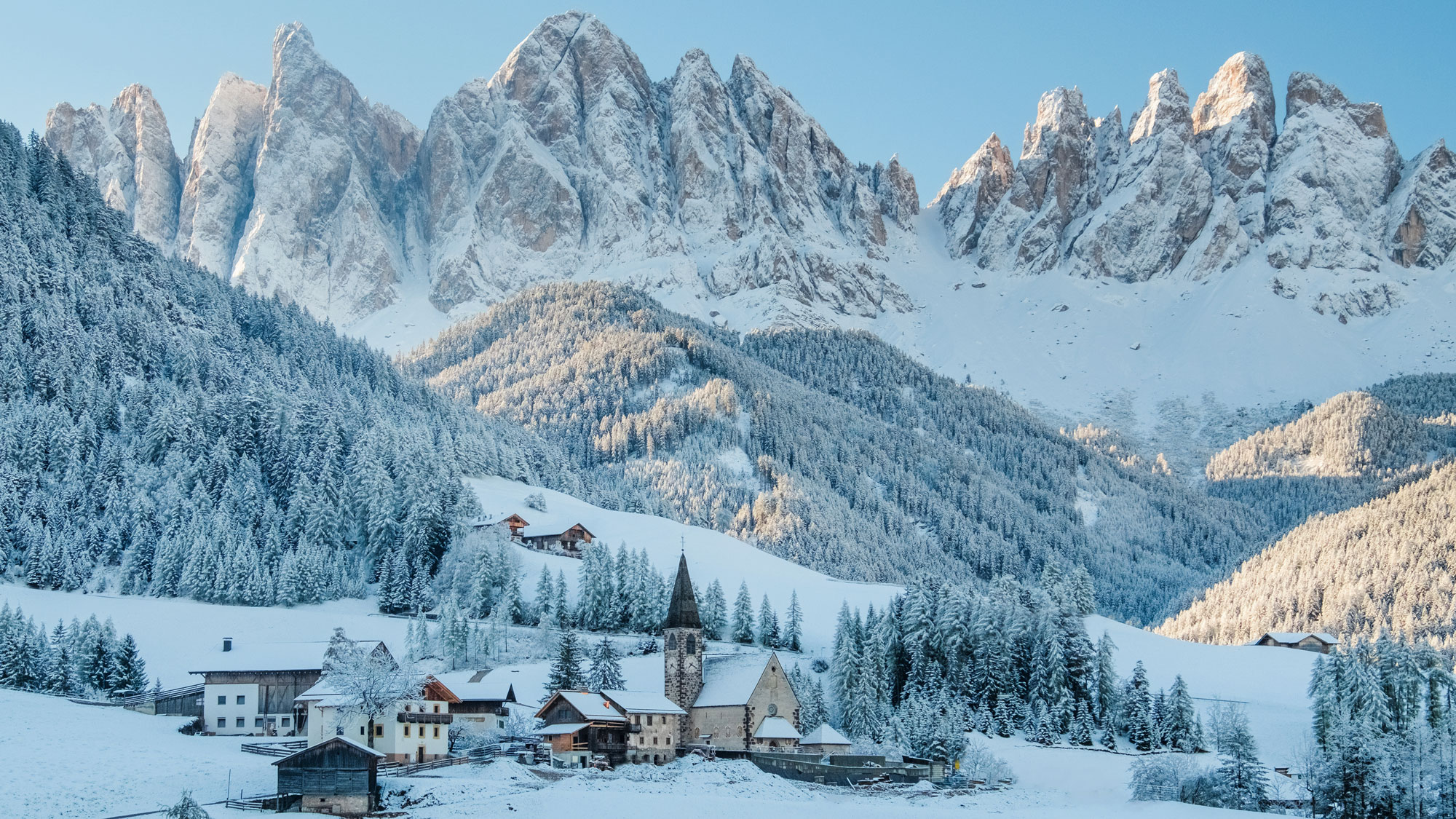
Way up north in the last frontier sits one of the most popular sites to view the captivating display of the aurora borealis. Fairbanks is one of the best locations to view and photograph this natural wonder thanks to its stunning landscapes and position well within the auroral oval. A great photo of the Northern Lights is a dream for many photographers, and if you are willing to endure the trek, this is the place to make that dream come true. From mid-August through mid-April, auroral displays are common, but it is the dead of winter, January through March, when it’s best to visit. The nights are at their longest, and the temperatures are at their coldest. You can simply rent a car and explore! Spend the daylight hours scouting for photogenic locations, and the nights waiting. That said, if driving around the winter wonderland that is Alaska’s interior is overwhelming, don’t fret. There are several ecotours and photo workshops that will put you on location without worry.
To capture the best results, an ultra-wide-angle lens is a must. Wider focal lengths are essential for capturing both the sky and landscape in the same frame. A 16mm lens is generally the ideal focal length for most night sky landscape images, though a wider field of view can be advantageous. For more information on photographing the northern lights, check out Capturing the Aurora Borealis presentation from the B&H Event Space or read our Guide to Photographing Auroras in New York on the Explora Page! While focused on strong mid-latitude auroras, we cover a lot of valuable lessons on gear and exposure.

New Orleans, Louisiana
We'll let the Big Easy stand in for all the warm-weather locations that might be better to visit in the winter. For starters, the crowds, the prices, and the temperatures are all less than they would be at other times of the year and the city still puts out its music, food, and bons temps all year 'round. If photographing real people living their real lives is your thing, you're also better off because the big-ticket events like Halloween, Jazz Fest, and Mardi Gras happen at other times of the year and, from my experience, New Orleans is a great city to just walk (or bike) and get lost, meet people, and check out the architecture, the river, and the street scenes. Of course, if spectacle you crave, Mardi Gras is usually in February, which still counts as winter where we’re from. For NOLA, we would suggest a healthy wide-angle lens on a compact camera, or perhaps a fixed lens camera. These are ideal for street photography and snaps of all that delicious food and drink—from oysters to yakamein to Reveillon dinners to a sip of Sazerac.

Bosque Del Apache National Wildlife Refuge, New Mexico
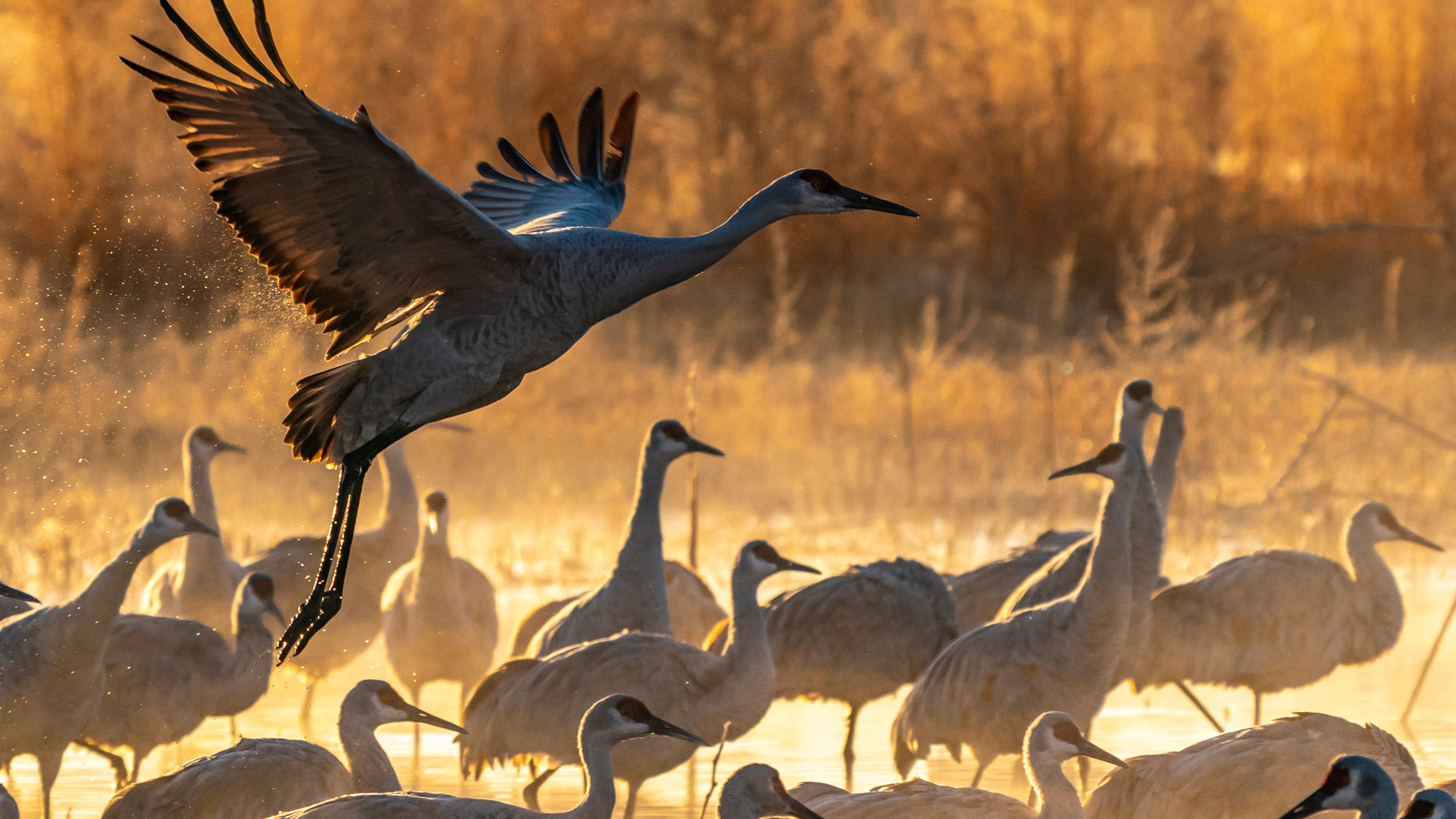
If it’s birds you’re after, look no further than Bosque del Apache National Wildlife Refuge. Situated between the Chupadera and San Pascual Mountains, the 57,000-acre refuge is best known for the large numbers of sandhill cranes and snow geese that congregate there in the winter months. In February, the Friends of Bosque del Apache hosts the annual Festival of the Cranes, featuring presentations on the birds, walks, and even a photo contest! If crowds aren’t your thing, you can visit anytime in the winter months, though late January through early March is ideal to see the greatest number of birds. Flight photography is big part of what makes this location so spectacular, so a knowledge of how to capture sharp images of birds in flight is essential.
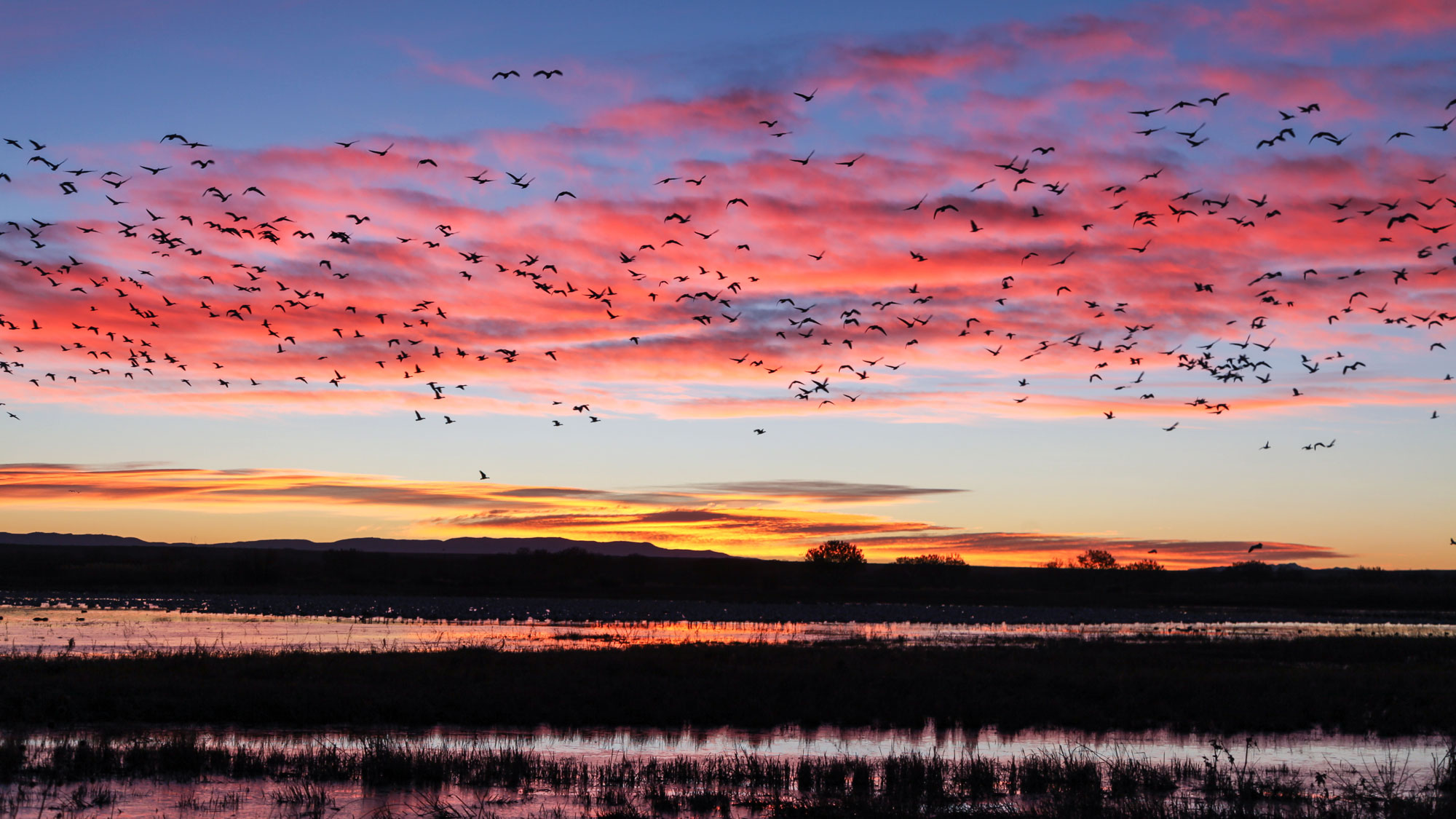
Cranes and snow geese aren’t the only birds to keep an eye out for. This region of the Rio Grande is home to everything from Wild Turkeys and Road Runners to California Quail and various birds of prey. It is truly a bird photographer’s paradise, and one of many winter bird destinations many dream of visiting. As you can imagine, this is the job for an interchangeable lens camera and a super-telephoto lens. Wildlife photography is a gear heavy genre of the artform, so being well equipped can truly make or break a photo shoot. While any lens can technically be used at Bosque, it’s hard to not go with a long lens in tow. These will aid us in capturing sharp, detailed images with blurry backgrounds.
Buenos Aires, Argentina
Our winter is their summer, so no need for the hat and gloves when you visit, but be sure to bring your appetite—not just for the steak and wine that is synonymous with Argentine cuisine—but an appetite for life, as Argentines and particularly Porteños (inhabitants of the port city of Buenos Aires) like to enjoy friends and family over long dinners that morph into late nights. There is also a vibrant art and culture scene in the cities of Argentina that will keep you busy with more than just tango. In my experience, the contrasts within Buenos Aires make for ideal street photography, so bring a discreet but quite advanced point-and-shoot, such as the Ricoh GR series or the Leica Q series.
Now, if you want to get out of the city to see some of the incredible natural landscapes that Argentina offers, we suggest heading north to the red rocks of Salta, the mountains to the south in Patagonia, or even across the Rio de La Plata to the beaches of Uruguay, and for these more rugged terrains, bring a full frame mirrorless or DSLR camera with a kit zoom in the 24-200mm range. This will allow you to create a wide variety of compositions while capturing exquisite detail.

Reykjavik, Iceland
Alright, you had to have known this was coming. If there’s one location where photographers can truly capture a bit of everything, it’s the stunning island nation of Iceland. Situated in the North Atlantic, Iceland has been situated on photo destination list time and time again. From summer to winter, there’s just so much to see. Now, limiting ourselves to Reykjavik is a bit misleading. There’s plenty to see in the capital city, such as Hallgrímskirkja (the Church of Iceland). We encourage you to make your way east. From here, you open the door to Iceland’s many natural wonders.
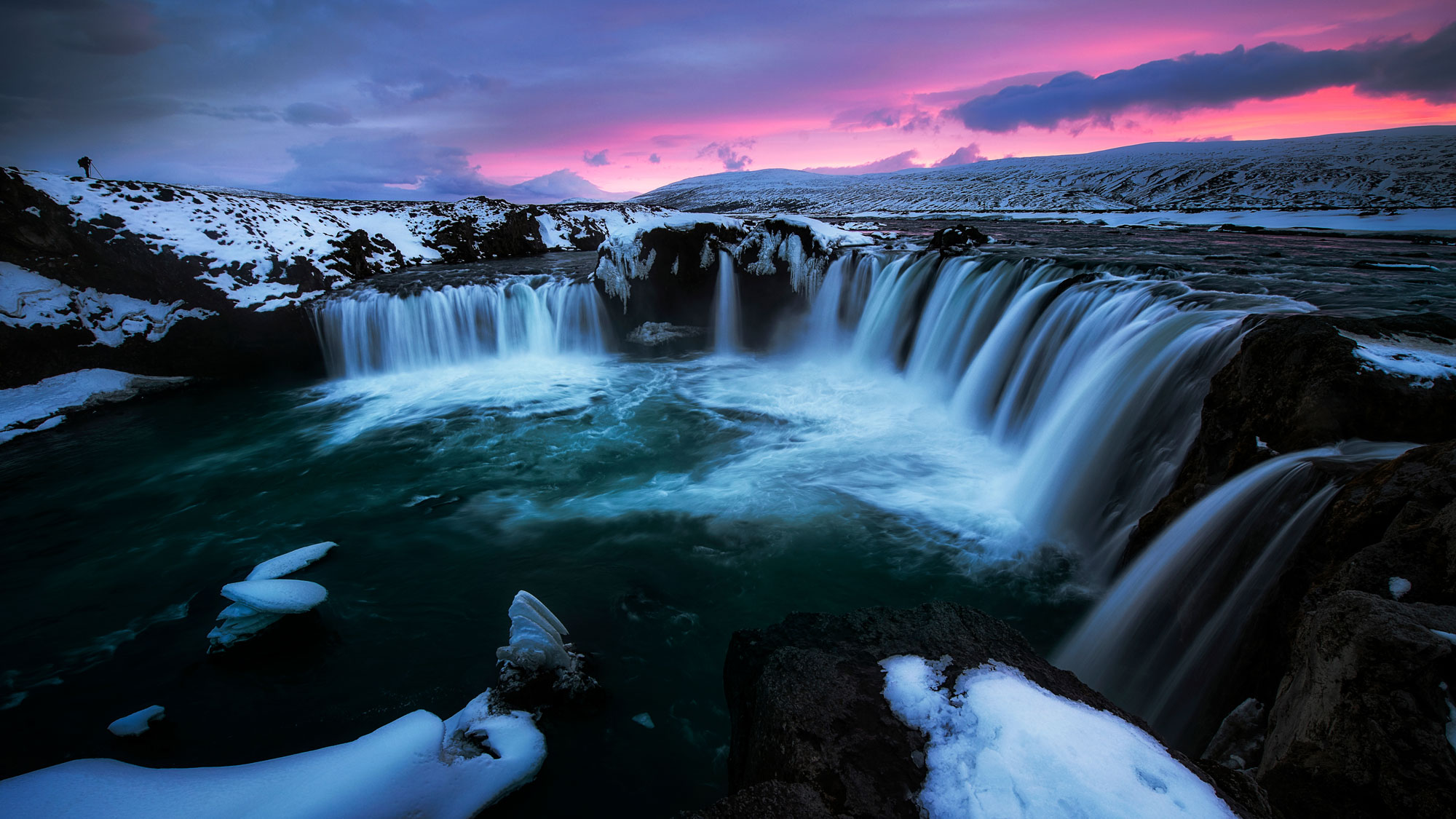
The South Shore features many of the country’s most iconic sights, such as ice caves and waterfalls like Seljalandsfoss and the massive Skógafoss. As you head east, you’ll eventually come to the famous Diamond Beach, where ice crystals litter the black sand. As you traverse the landscape, you’ll pass glaciers and other Icey landscapes before arriving in the north country. Here, you run the chance of seeing arctic fox and reindeer at the lower elevations. Up here as well sits one of Iceland’s most impressive features with waterfalls like Goðafoss and Dettifoss. All the while, you run the chance of seeing the aforementioned aurora borealis in one of the most photogenic environments imaginable.

As you can imagine, one needs a variety of lenses to capture the vast array of what Iceland has to offer. While one could get carried away building a kit large enough to supply an entire photo tour, you can actually make do with just two or three lenses. Of course, you’ll need an ultra-wide-angle lens for the many landscape opportunities that will present themselves. To dabble in all things Iceland, this should be a fast apertured lens to accommodate both daytime and nighttime shoots. Next up, we recommend a normal zoom such as a 24-70mm lens. This will serve multiple purposes, serving us in the streets of Reykjavik to the Krossasnesfjall mountains in the east. Lastly, a lens that is a staple of both the landscape and wildlife photographer's bag, the 100-400mm zoom. This will be your go to lens for wildlife while also providing tight environmental shots of distant features.
Winter is an excellent time to travel for your photography! If you know what to expect and prepare properly, you’ll be set to create stunning images no matter what conditions you face. To be as ready as one can be, we recommend reading our Winter Weather Photography Tips before heading out into the elements.
Whether you’re hoping to double down and capture winter themed images, or looking to head somewhere warm, we hope you took some inspiration from the locations above. If you’d like to learn more about travel and cold weather photography, check out our other guides and articles on the B&H Explora page!
