In the world of APS-C format cameras, the pickings are slim if you’re looking for a wide-angle zoom with a fixed maximum aperture of f/2.8. If you own an APS-C format DSLR with a Pentax K-mount, you’re one of the lucky ones, because based on my experience with the Pentax HD DA* 11-18mm f/2.8 ED DC AW—this lens is the pick of the litter.

The Pentax HD DA* 11-18mm f/2.8 ED DC AW is a 17-27.5mm equivalent super-wide zoom that captures a near distortion-free 104° to 76° angles of view. To accomplish this goal, and do it well, Pentax’s 11-18mm ultra-wide zoom makes use of 16 Aero Bright II and SP Coated lens elements in 11 groups. Included are two aspheric elements, two ED elements, and a single aspheric ED lens element for optimal, edge-to-edge resolving power, minimized fringing and chromatic aberrations, and an all but distortion-free image field.
The weatherproof construction of this lens is equally satisfying. The “fore-aft” positioning of the well-textured, rubberized zoom and focus rings eliminate any chance of confusion when working fast and furious. Other lens controls include a Manual/AF Switch and a Focus Lock Clamp, which is an override switch that enables you to lock the focus in place.


Weighing a somewhat hefty 1.55 lb, Pentax’s 11-18mm zoom balanced well on the Pentax KP camera body (3.55 lb) that was supplied with the lens. The minimum focus of the lens is just under a foot (11.81"), which is typical of lenses in this focal range. (Personally, I wish all my lenses focused down to an inch and a half, but that’s my sword to bare.)


Pentax’s 11-18mm ultra-wide zoom has an 82mm filter thread. Needless to say, if you’re planning on using filters with this (or any other) ultra-wide lens, make sure to use thin mount filters or larger-format filter holder system in order to avoid vignetting. It should also be noted when shooting with lenses with angles-of-view wider than 90°, Polarizing filters can produce unevenly darkened blue skies.
When shooting with an APS-C format camera (1.5x), the AoV of the lens begins exceeding 90° at about 13mm to 14mm, depending on the camera/lens combination.
After using a run of full-frame and mirrorless cameras, I found the viewing system of the camera to be a bit too narrow for my tastes, but in short time I was able to move past it and begin getting more into the lens and what it can do.

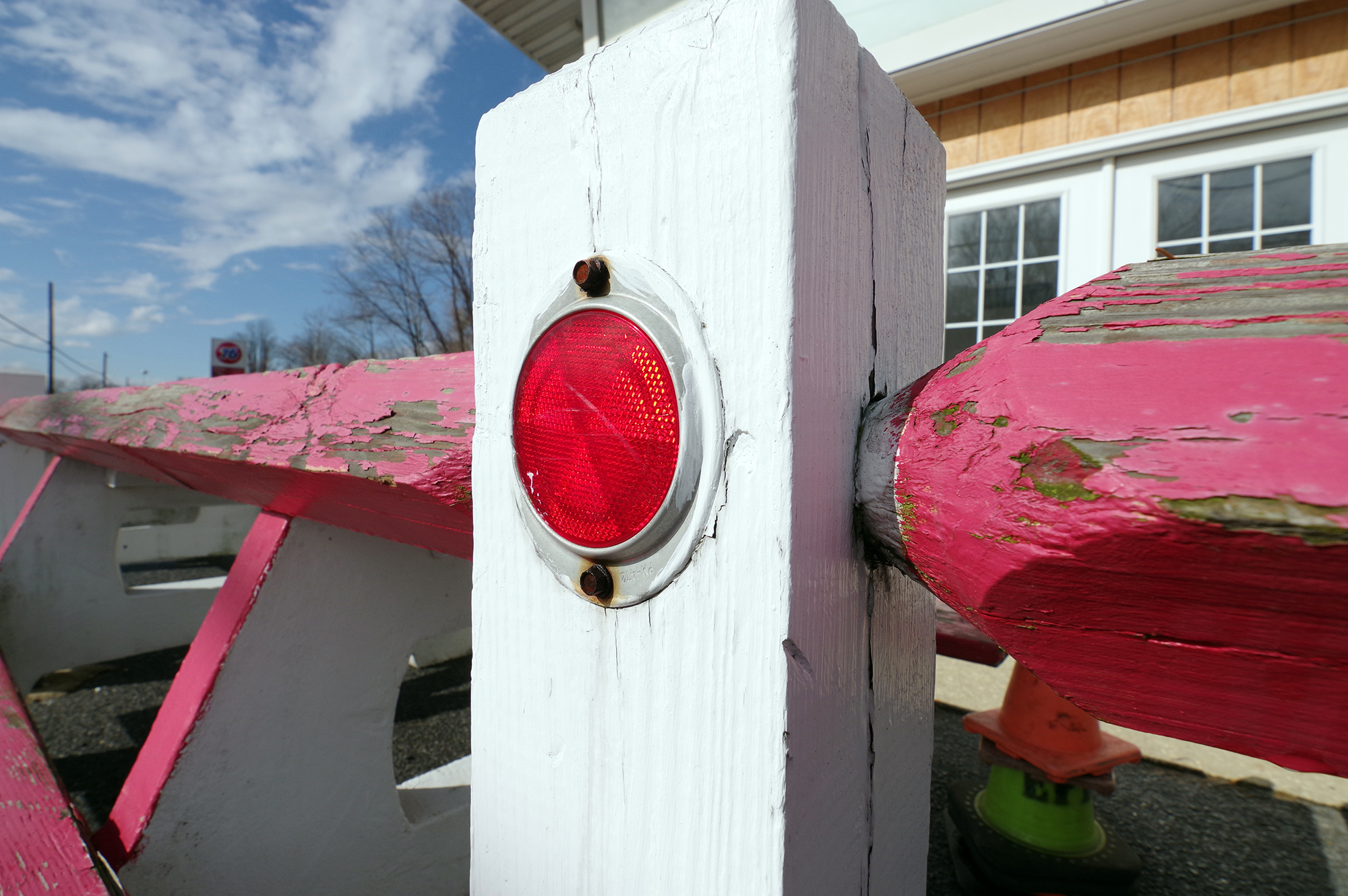
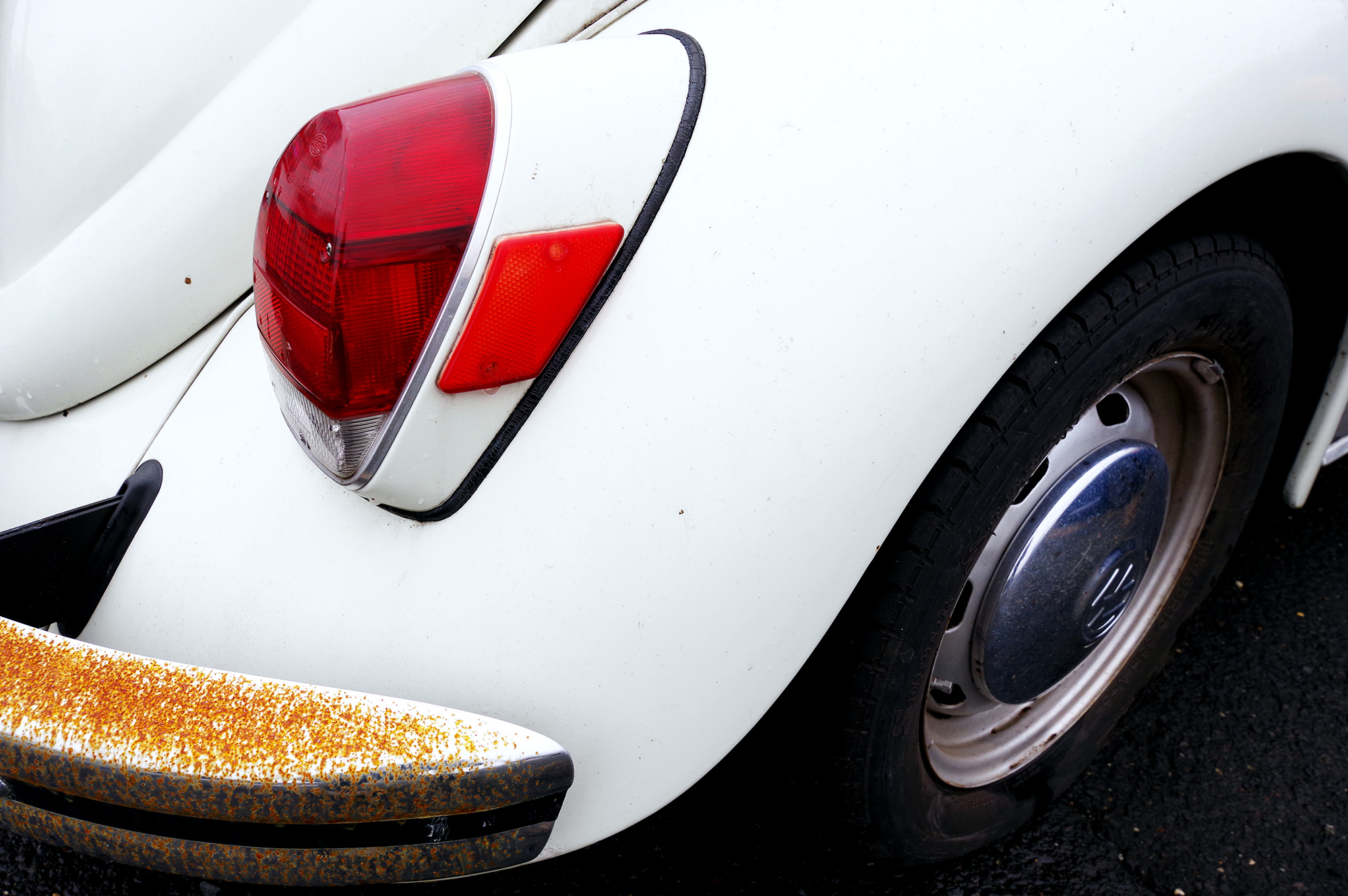
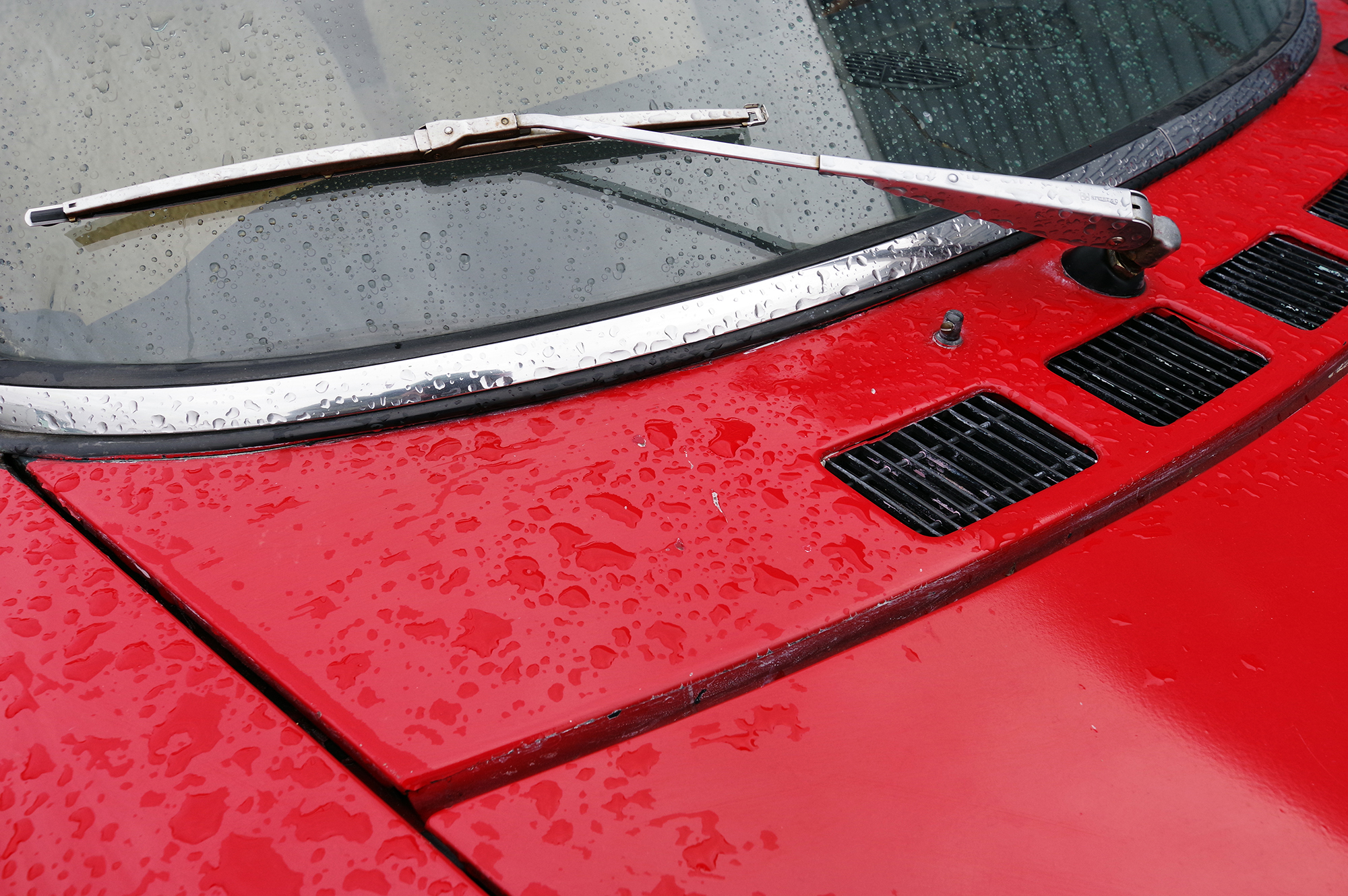
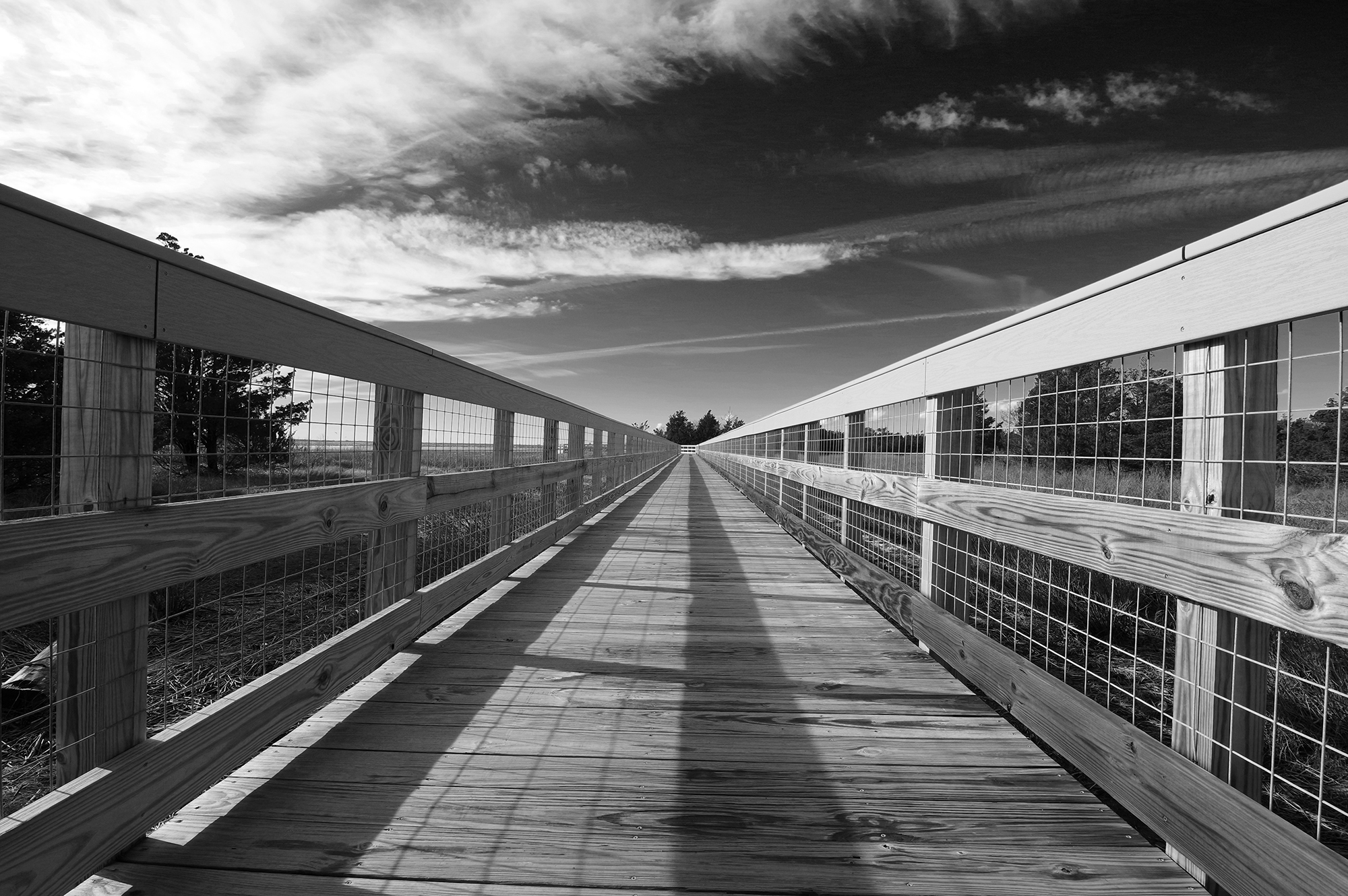
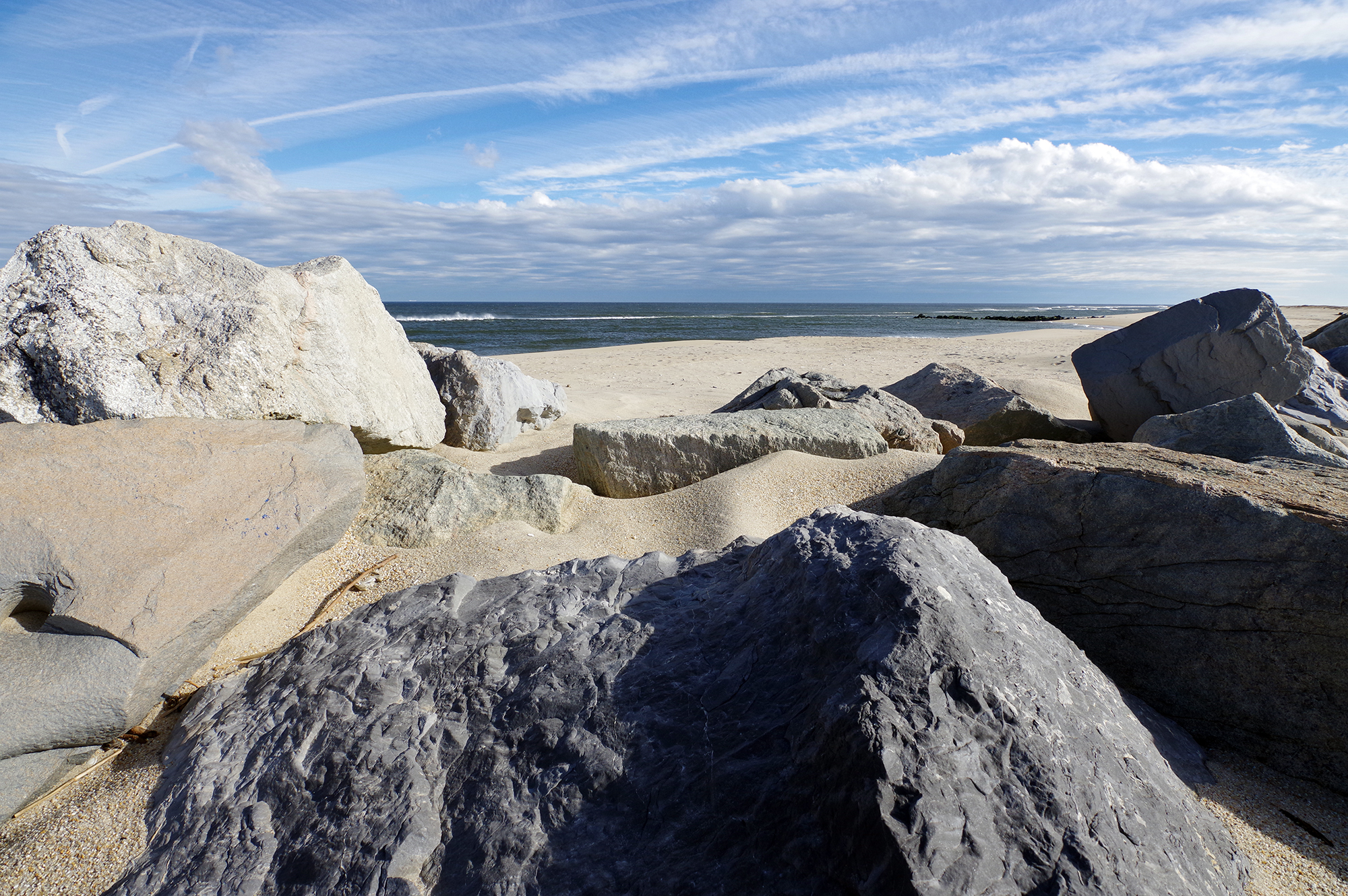
In use the Pentax HD DA* 11-18mm f/2.8 ED DC AW proved to be worthy it’s price tag. When editing the photos, I took during my time with the camera and lens, I couldn’t help but notice how even the illumination was across the image field. Having owned and used more ultra-wides than I care to acknowledge, I would say the Pentax HD DA* 11-18mm f/2.8 ED DC AW is one of the brighter-edged of the lot.
Image clarity, color rendition, and contrast levels were where they should be, and thanks, in part, to the lens’s 9 curved aperture blades, the out-of-focus specular highlights when shooting at wider apertures (aka bokeh) proved pleasing to the eye.

As mentioned earlier, I was given a loaner Pentax KP DSLR as a companion to the lens. It’s been more than a year since I had shot with a Pentax DSLR (See Life After Dark: Pentax K-1 Field Test), and I had forgotten how impressed I was with the Pentax product line, especially when considering how much you get for your hard-earned dollars.
Like the Pentax K-1, the Pentax KP is a solidly built camera containing a 24.3MP APS-C AA filter-free CMOS sensor, ISO sensitivity levels up to 819,200, continuous shooting at up to 7 frames per second, 5-Axis image-stabilization, and a higher-resolution Pixel-Shift shooting mode. To top it all off, the camera is backed by a wide-ranging arsenal of sharp, equally well-made lenses.
Do you shoot with a Pentax product? Do you have any experiences with Pentax products? If so, tell us about your experiences.