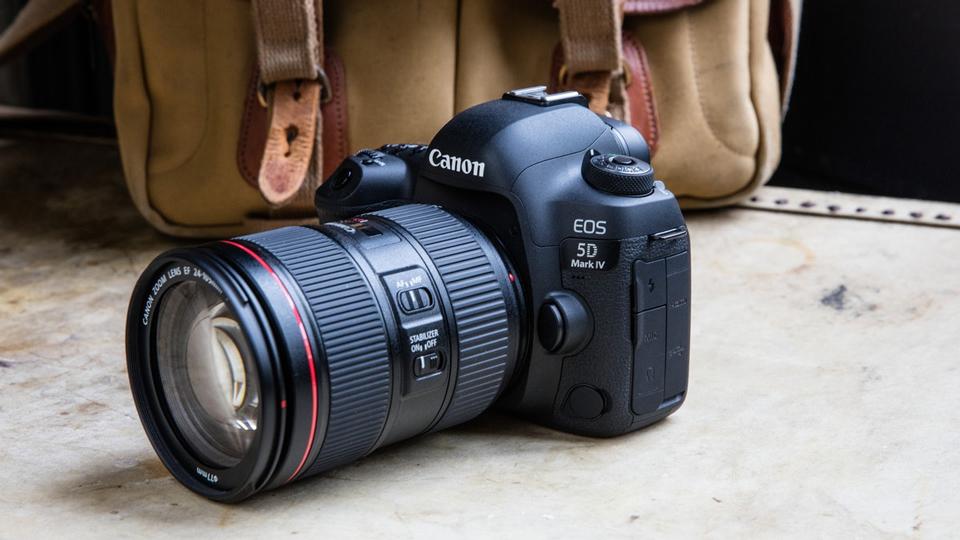
I love my primes, but some days I just want to go out with a camera and one lens slung over my shoulder and have nothing else to worry about. I’m going to ignore the obvious differences between zooms and primes for the sake of this piece, since that is a whole other argument in which I don’t want to get bogged down. So, here is a list of some solid zooms that you should consider adding to your kit.
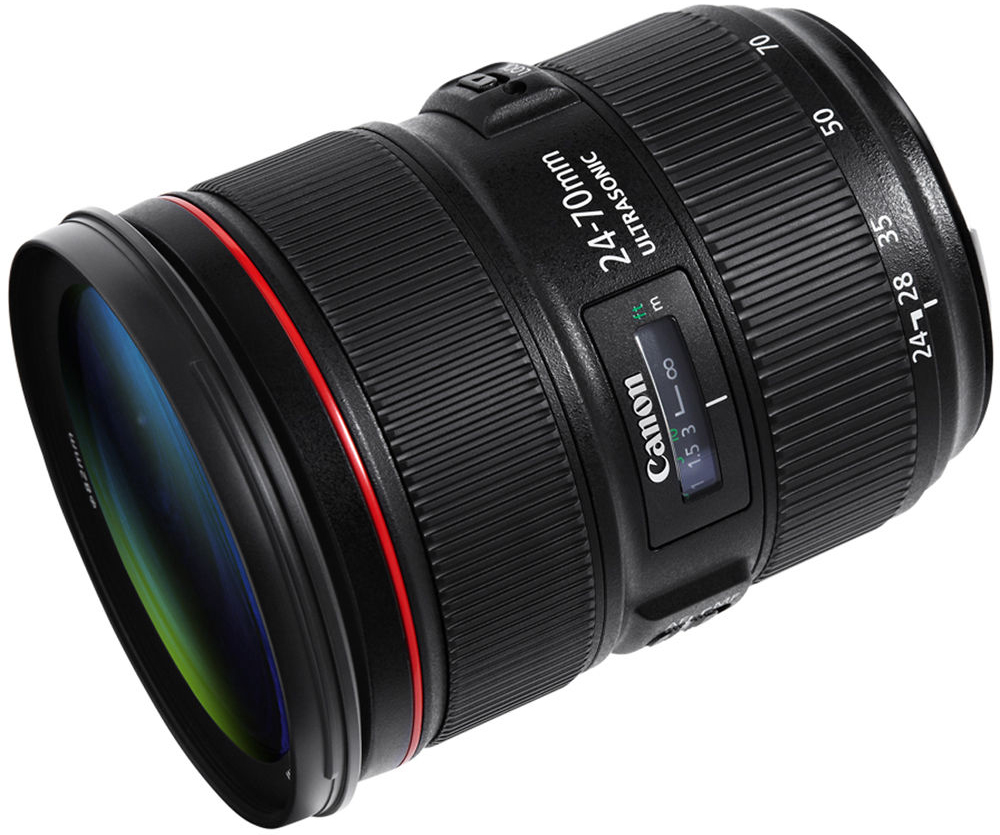
The Classics: 24-70mm and 24-105mm Lenses
If you want one lens to cover all the basics, a 24-70mm or 24-105mm is the one for the job. These are a staple of many photographers’ bags because they cover wide-angle to short telephoto, and usually do quite well at both ends. There are usually a few options for aperture, such as constant f/2.8 or f/4 and even some variable versions, meaning that no matter what your level of experience or personal needs may be, you will be able to find something that fits your budget.
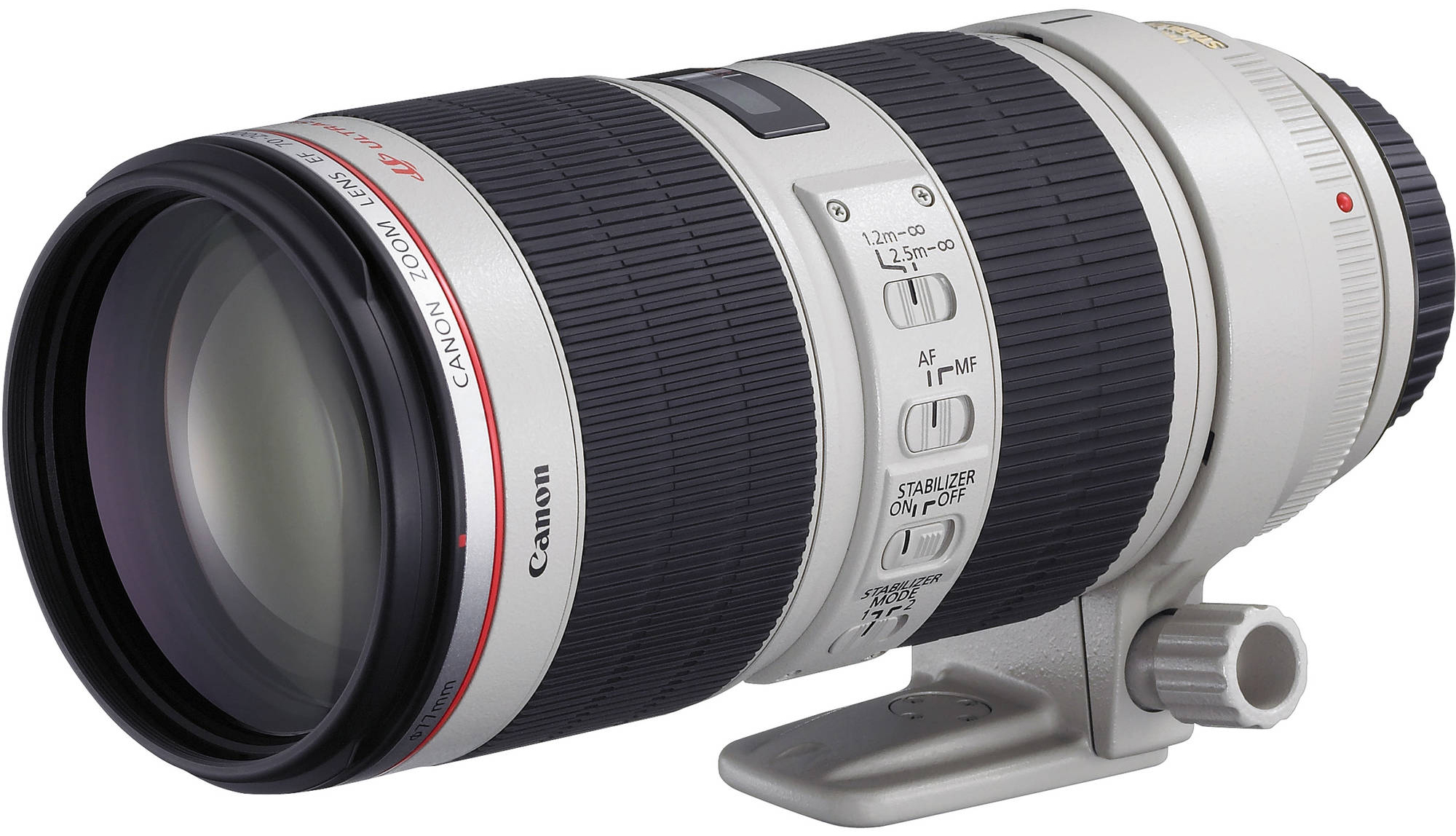
Professional Favorite: the 70-200mm
Over the years, manufacturers have spent a great deal of time and energy perfecting the 70-200mm zoom, and they pack it with nearly every new technology they can get their hands on, making practically every modern option an impressive feat of optical design and engineering. It is a practical choice, since most shooters don’t need an array of telephoto primes, but do occasionally want to reach out past the range of their 85mm lenses. Also, if you can splurge for the f/2.8 model, you can be sure that images will have shallow depth of field and smooth bokeh that will make them a wonderful tool for portraits, as well as being fast enough to work for sports and action.
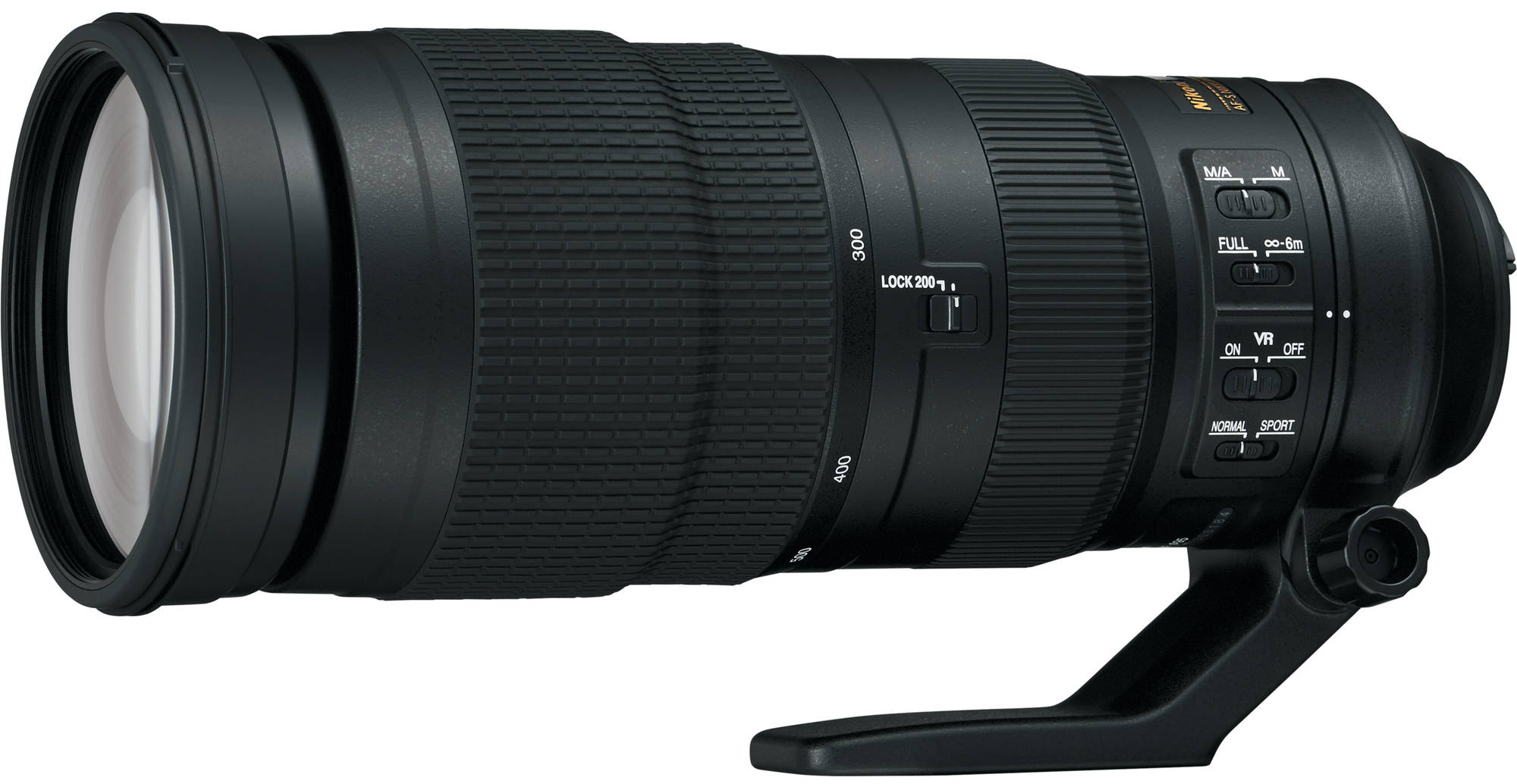
Going Up! Super Telephoto Zooms
For many of us, the only way to justify the purchase of a super telephoto is if we get a more affordable zoom like the Nikon AF-S NIKKOR 200-500mm f/5.6E ED VR, which has an impressive range, considering the size and price. There are some more pro-oriented offerings here, as well, with more modest ranges and improved IQ, such as the Canon EF 100-400mm f/4.5-5.6L IS II USM and Sony FE 100-400mm f/4.5-5.6 GM OSS, and all of these are compatible with teleconverters to get even more reach out of them. You could also go even further with something like the Tamron SP 150-600mm f/5-6.3 Di VC USD G2. Basically, don’t worry—there is something here for you.
And Now, for the Ultra Wides
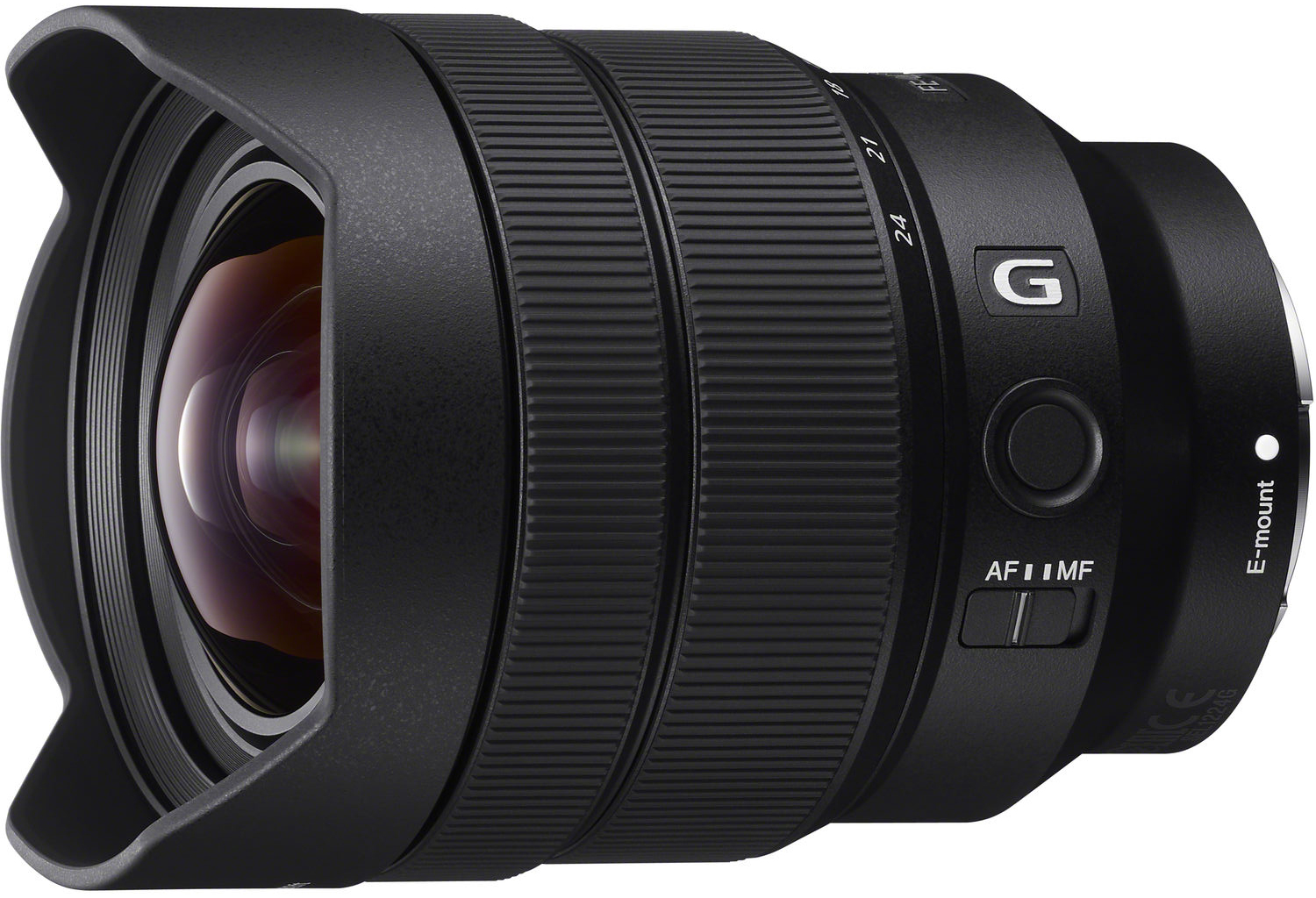
Let’s hit the other end of the spectrum now and go for the ultra-wide zooms. It was tough not to go for the staple 16-35mm, but recently there has been a serious influx of even wider zoom lenses. Looking to the past couple of years, we saw the Sony FE 12-24mm f/4 G, Sigma 12-24mm f/4 DG HSM Art, and Canon EF 11-24mm f/4L USM, all impressively wide full-frame offerings that claim some serious image quality. Ultra-wide zooms are even easier to justify than telephotos in many cases, especially if you are usually shooting landscapes on a tripod where a fast aperture and wide-open abilities aren’t as critical. You can even now get a fisheye zoom like the Nikon AF-S NIKKOR 8-15mm f/3.5-4.5E ED, which quickly transforms from providing a circular image to full coverage of the frame for two very distinct shooting styles.
The Ultra-Fast Zoom
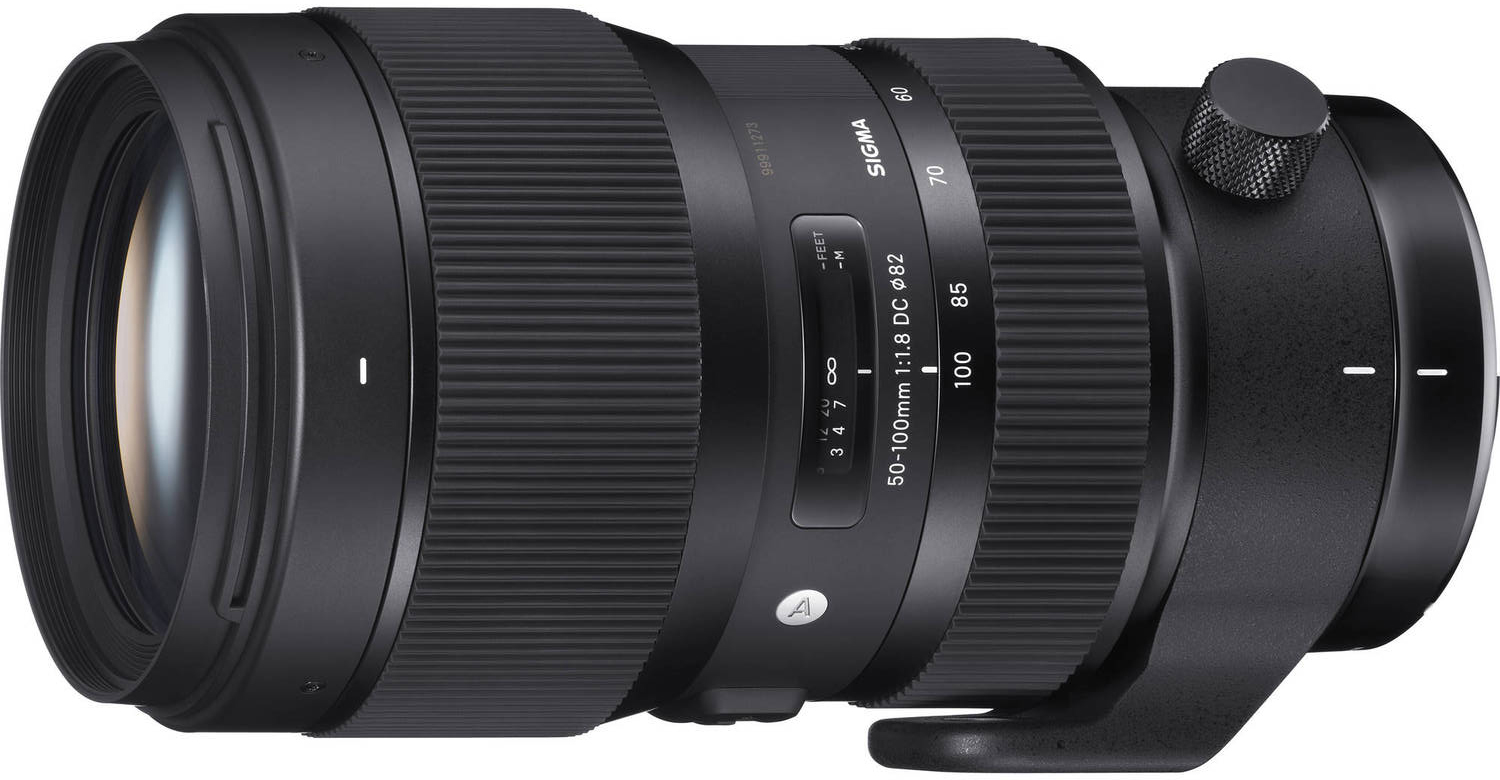
It used to be that if you wanted a lens to be faster than f/2.8, your only choice was a prime. These days that is far from the case, because more fast zooms are popping up, and I’m assuming many more are on the horizon. A majority of these lenses are for APS-C format, but there are now two for full-frame sensors: the Sigma 24-35mm f/2 DG HSM Art and Canon RF 28-70mm f/2L USM. These zooms can replace multiple primes—the modest zoom range ensures greater optical quality while the fast aperture delivers performance normally reserved for primes. If you shoot APS-C there are a few options, such as the Sigma 18-35mm f/1.8 DC HSM Art and 50-100mm f/1.8 DC HSM, which are a beautiful pairing, and then the wider Tokina AT-X 14-20mm f/2 PRO DX. This is an exciting category to watch going forward.
Capture Everything Under the Sun with an All-in-One
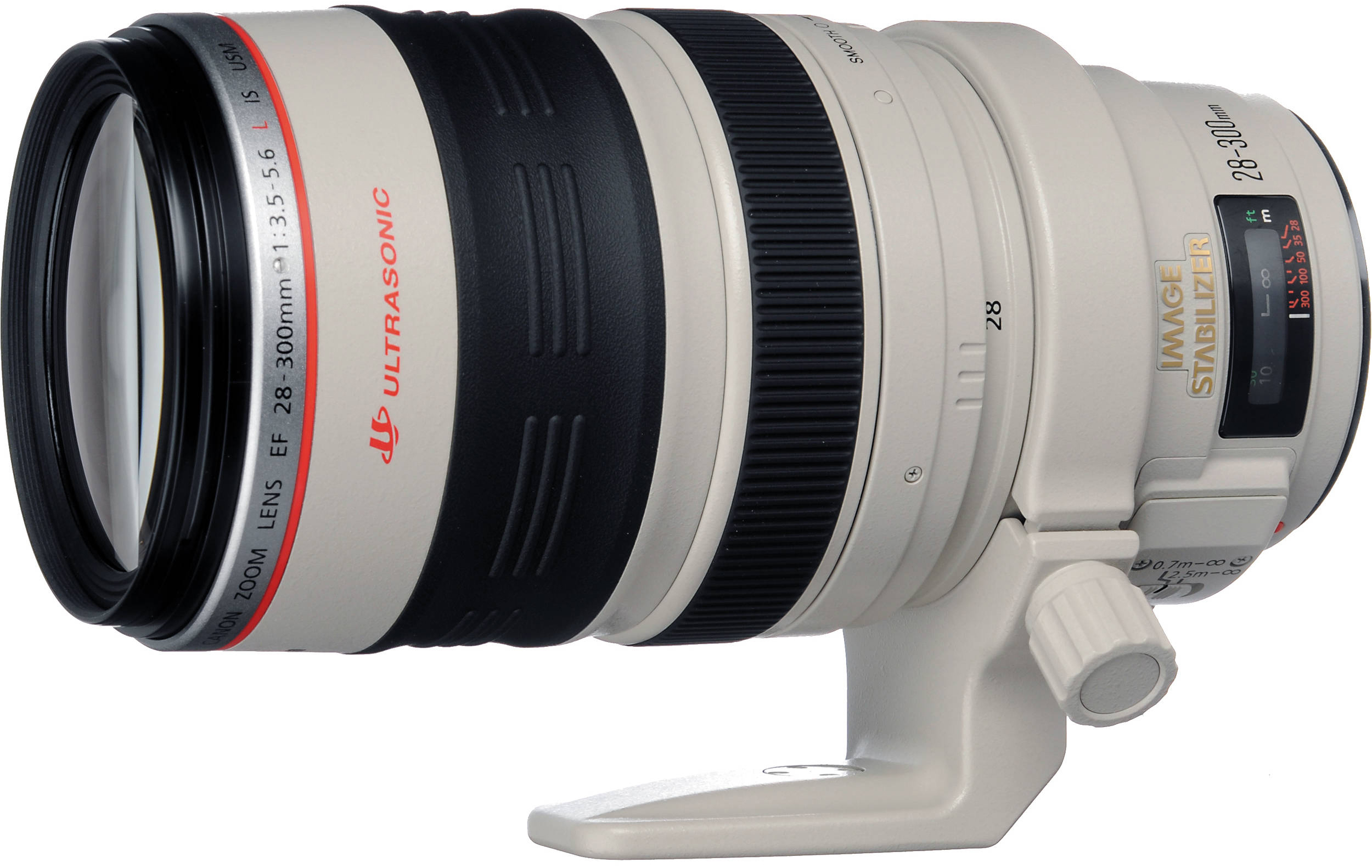
And finally, if you want just one lens to do everything you can possibly dream of, you are going to want to look at some all-in-ones. The lens currently at the top for this is the Tamron 18-400mm f/3.5-6.3 Di II VC HLD, which is an APS-C option for Canon EF and Nikon F, featuring an astounding 27-600mm equivalent zoom range. Unmatched by any of its contemporaries, this is an obvious choice if you are working with APS-C, but if you aren’t, those 28-300s, 24-240s, 18-200s, and 12-100s are plentiful.
What are some of your favorite zooms? Tell us about it in the Comments section, below!
