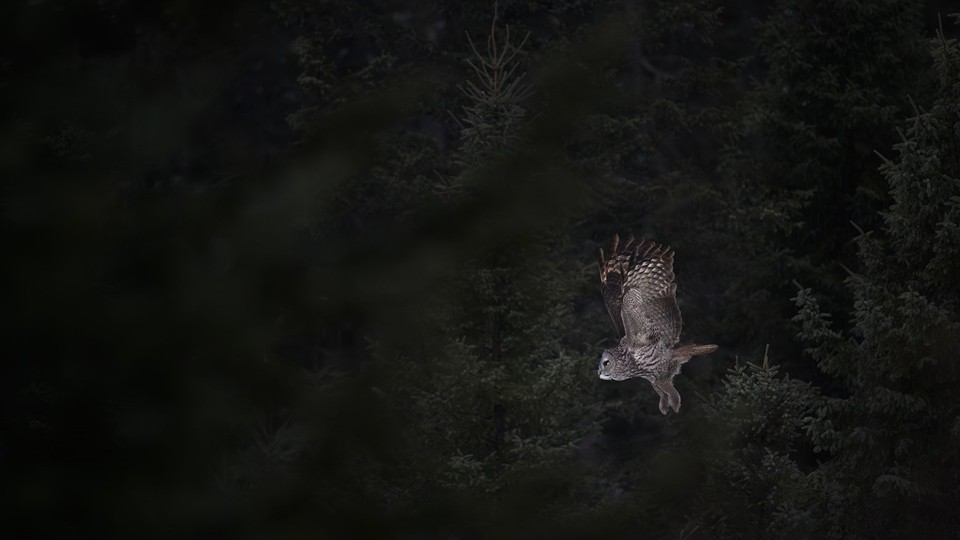
When you think of wildlife photography, huge super-telephoto lenses might be what pop into mind. While these are practical, they’re far from the end-all-be-all option. Today, we’re going to learn some practical applications of other, less common lenses for wildlife photography, such as portrait lenses, ultra wide-angle landscape lenses, and special-effect glass like mirror lenses.

Portrait Lenses
Portrait lenses are known for their unparalleled sharpness and eye-catching, subject-isolating qualities. This is thanks to their simple design, fast apertures and top-of-the-line glass. The portrait focal length range typically falls between 35mm and 200mm—not ideal for frame-filling shots of distant wildlife, but great for environmental portraits! While any focal length in the range can be used, 85mm and 135mm (or their equivalents) are great starting points that are available from all major manufacturers.

These longer portrait lenses have a wide enough field of view to capture the environment around the subject while long enough to get some decent separation between your subject and the background. There are even some new lenses that bring the stellar optical quality and light gathering capabilities of a prime to a zoom.
Mirror Lenses
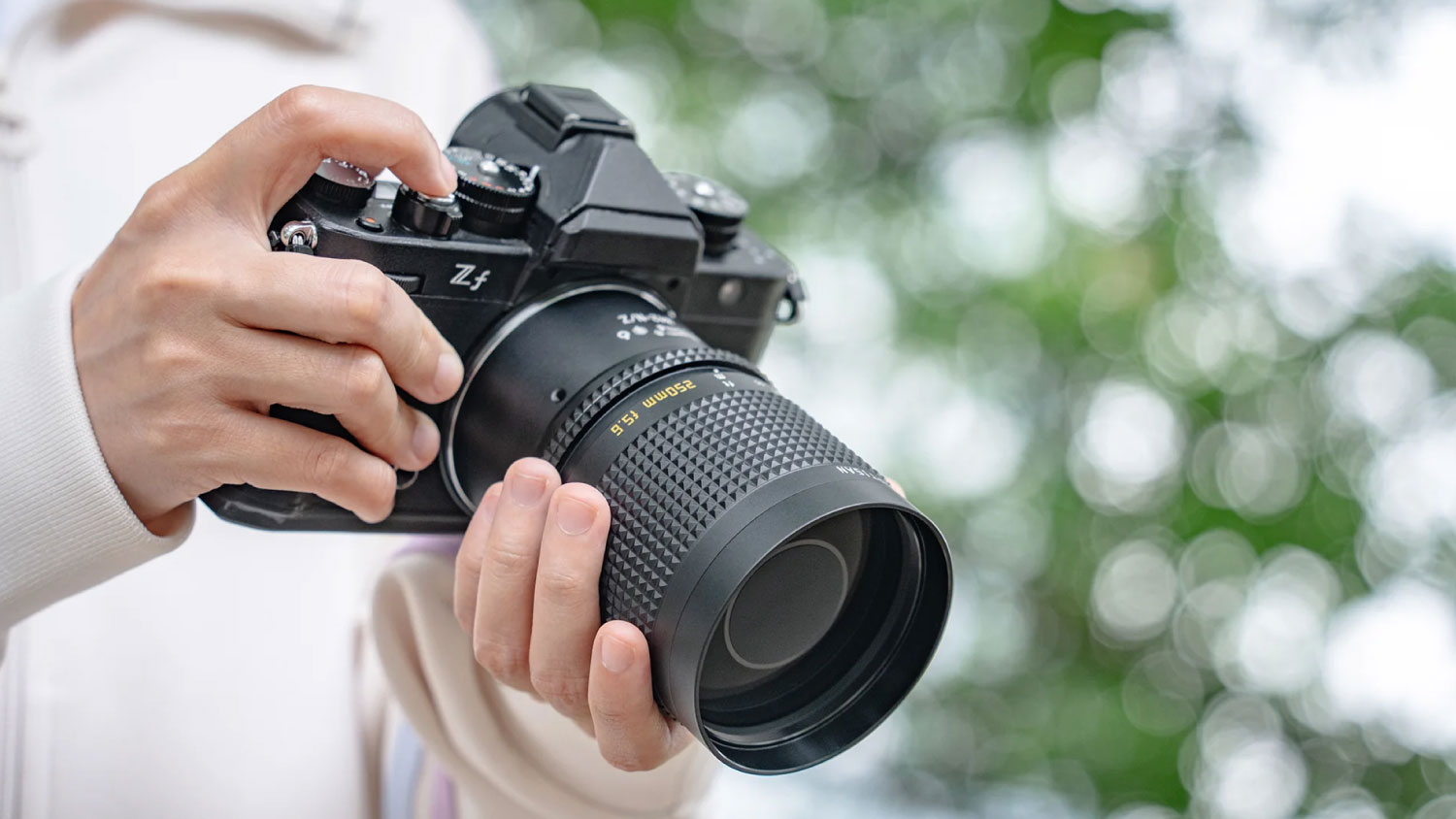
Mirror lenses, also known as reflex lenses, are essentially small telescopes. Unlike the typical super-telephoto lens, these use a series of angled, circular mirrors to gather light and reflect the light back and forth until a highly magnified portion of the image reaches your camera’s imaging sensor. These lenses have two major drawbacks: they’re manually focused and quite slow. The fastest aperture you’ll likely find available is f/6.3. You won’t be catching any fast action with one of these, but the bokeh is well worth the struggle.

Speaking of Bokeh! Due to the optical design, mirror lenses produce very painterly backgrounds. As a bonus, distant lights or reflective surfaces appear in a ring or donut-like pattern. This effect was often viewed as a flaw or drawback of the lens’s design but today it’s often the reason to use one in the first place, such as the case with this 250mm f/5.6 Reflex Lens from TTArtisan. The donuts, when paired with some dramatic lighting, can result in unique images.
Wide-Angle Lenses
Wide-angle lenses are the go-to choice for landscape shooters. “Wide angle” refers to any lens wider than 35mm. In this situation, we’re going to focus on 10-24mm, as these focal lengths give us the field of view we want, while not getting into the “fisheye” range. This type of wildlife photography is nothing new, but it’s extremely rewarding.
The goal here is to capture landscape images that include wildlife. The wildlife itself may not be the focal point of the image, but it should be a point of interest. Perhaps an eagle flying over a lake, or a deer crossing a river. You may not be able to predict these moments, but you can be in the right place and be prepared.

In some rare instances, some incredibly cooperative subjects might come unusually close. This is where a lens’s minimum focus distance comes into play. A lens like the Sony FE 16-25mm f/2.8 G can focus just over 7” away, making it a great option for these close encounters.
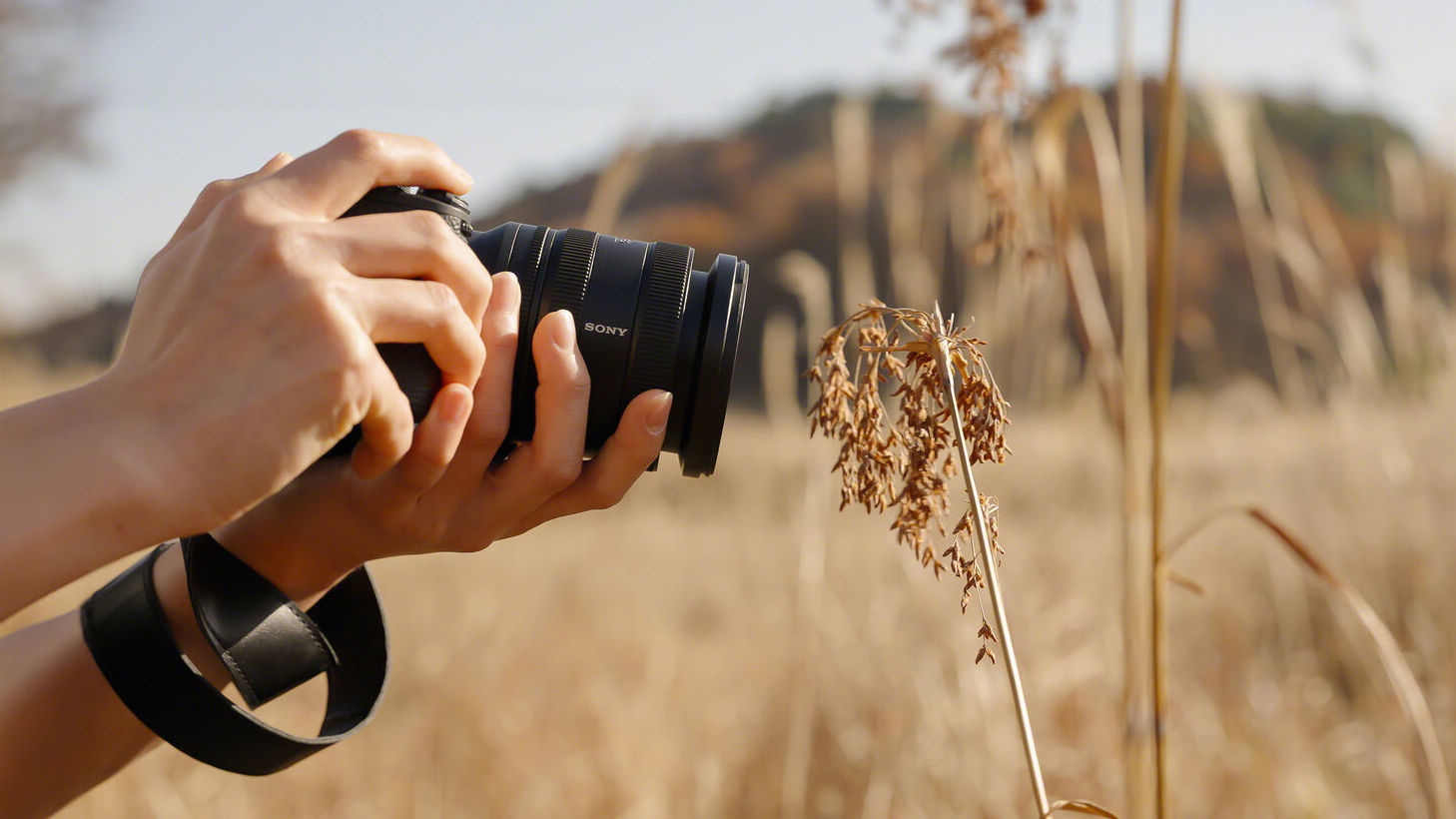
In these cases, it’s important to know your subject and practice good judgement when something like this happens, but for a small bird or salamander, you can safely photograph away as long as you’re not causing any undue stress or harm.
Use Conventional Lenses Unconventionally
Another way to get unconventional with your wildlife photography is to step back and think about the gear you’re already using. If you’re shooting with a 100-400mm lens, head out one day with the goal of only using it at 100mm. Just as with portrait lenses, the goal here is to capture environmental portraits. While the depth of field may not be as buttery smooth as it is with faster glass, the end results can still stun as long as you frame your subject well. Tamron has an especially versatile lens in this category with the 50-400 f/4.5-6.3 Di III VC VXD . With a minimum focus distance of just 9.8” at 50mm, the 50-400 can find focus even if your subject gets closer than expected.


Additionally, you can capture environmental portraits using longer focal lengths. The trick here is to embrace those situations where you just can’t seem to get closer to your subject. With the same 100-400mm range, you’ll get greater separation between your subject and the background while still making out the color and shapes of its surroundings.
