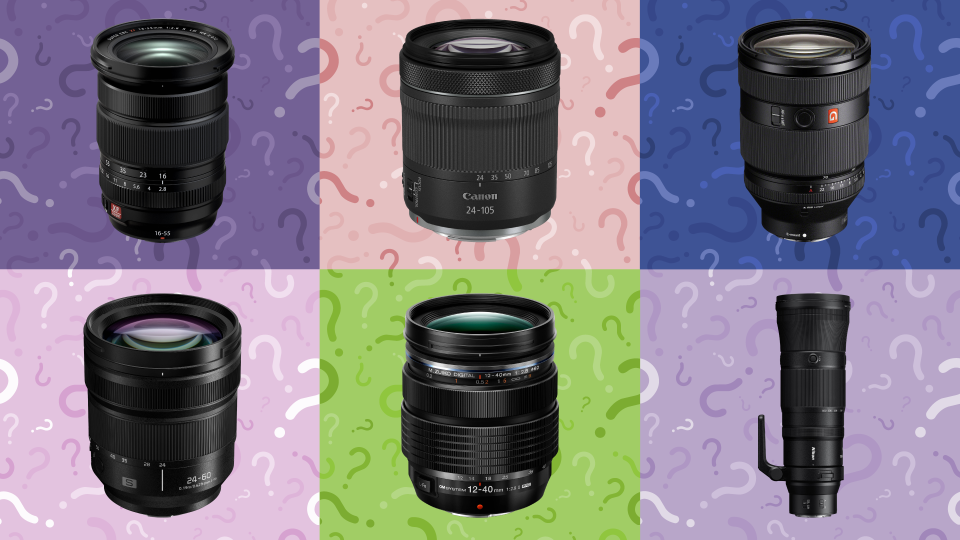
It’s easy to overlook the fact that when you’re buying a camera, you’re not just buying the body—you’re buying the mount system and all the lenses, too. After a camera and two lenses, you’re locked in, and switching brands becomes as difficult as moving apartments or buying a new car. Sure, making a camera and making a lens are different beasts, and while in truth there are great cameras and great lenses across all the brands, some companies do some things a little better than others. And let’s face it—you know somebody is going to ask you about your camera. It’s just as much a reflection of who you are as a creator as it is a tool to capture images.
To make the decision a little bit less stressful, we’ve put together a little quiz to help you discover the lens mount family that’s best suited to your needs as a creator. For simplicity’s sake, we’ve limited the scope to full-frame and APS-C compatible mounts. If you’re looking at medium format, you need a financial advisor, not a quiz.
Question 1: You’ve booked your first big shoot for the weekend. What’s the gig?
-
a) A hybrid marketing campaign for your friend’s new athleisure line
-
b) An “indie sleaze”-themed wedding with lots of high-key flash
-
c) Outdoors headshots for an aspiring television actor
-
d) Prowling the streets for your photography Instagram account
-
e) Gathering B-roll for a nature documentary
-
f) DPing a longform interview-based video podcast
Question 2: What’s your gear motto?
-
a) Get it to me ASAP!
-
b) It must be proven and supported by the manufacturer.
-
c) It’s all about the glass, baby.
-
d) I pack quick and travel light.
-
e) Give me all the features in a tiny footprint.
-
f) It’s called a rig, actually.
Question 3: What do you want from your lenses?
-
a) I want a lot of brand options and I want them all to have autofocus.
-
b) I only trust the original manufacturer to make the best glass.
-
c) I want to be on the cutting edge of optical innovation.
-
d) Give me smaller glass with an emphasis on feel.
-
e) I want reach that won’t break the bank.
-
f) I need lenses that will work for both photo and video.
Question 4: What do you want from the autofocus?
-
a) I want the best there is, simple as.
-
b) I want it work well with flash.
-
c) Autofocus should be consistent but natural.
-
d) I just need it to lock in for candids with friends.
-
e) I know how to leverage technique and focus assist tools.
-
f) I’ll let the body do the heavy lifting here.
Question 5: How do you want the colors to render?
-
a) I want them to be flexible for fixing in post.
-
b) It’s all about the skin tones, straight out of the camera.
-
c) Give me accuracy and fidelity, how I saw it.
-
d) I want nostalgic vibes and filmlike textures.
-
e) Punchy color that’s baked into the image.
-
f) Color palettes that are hybrid-friendly.
Question 6: Yes, everyone’s pivoting to video. What works for you?
-
a) Creator-friendly codecs and a lot of inputs and outputs.
-
b) Just the basics, but it always works.
-
c) Consistent color, rolling shutter control, and compatibility with a major cine brand.
-
d) Fast and dirty editing with the film looks and vibe.
-
e) I want a lot of in-body video control.
-
f) Pro-level codecs, time codes, XLR inputs for high-quality audio.
Question 7: There’s a lot of old, vintage glass out there. Will you be using it?
-
a) I want to adapt it all.
-
b) Just my manufacturer, please.
-
c) I want as much backwards compatibility as possible within my brand.
-
d) I can vibe with some manual primes.
-
e) Speed boosters? Give me the light!
-
f) I want vintage cine glass.
Question 8: What about size? Bigger is better or small is beautiful?
-
a) I’m okay either way, a mixed bag is fine.
-
b) Heft is how you know you’re a pro.
-
c) Size? It’s about balance and feel.
-
d) As compact as possible.
-
e) Start out small with the capacity for modular build out.
-
f) I don’t care if it’s big, as long as it’s the best.
Question 9: Do you need long lenses, and how long do you need them?
-
a) Top-level primes and zooms with elite tracking up to 800mm.
-
b) I live on the sidelines, stalk the action, and want dependable results.
-
c) Length in primes, steady tracking, expand with teleconverters.
-
d) The crop gets me close and keeps my bag light.
-
e) I want as much reach as possible while staying handheld.
-
f) It’s just as much about adaptability as it is about reach.
Question 10: How do you want the system to grow with you?
-
a) I want the broadest ecosystem with the fastest iteration.
-
b) It’s less about the roadmap and more about support.
-
c) A camera is only as good as its lens, and that’s the innovation that matters.
-
d) I want a brand that emphasizes the experience of photography.
-
e) Hybrid is the future and I expect the system to grow accordingly.
-
f) An ecosystem that supports multiple brands at the same high standard.
Question 11: Let’s be real. How much are you willing to spend?
-
a) The top line is pricey, but the used market is deep—and cheap.
-
b) You get what you pay for, and I’m only buying what I know.
-
c) Bang for your buck when it comes to optical quality.
-
d) I’m shooting primarily stills and I want value.
-
e) I plan to shoot outdoor, distant subjects. I also want value.
-
f) I’m comfortable spending but I’m cool with a bargain, too.
Question 12: Pick your favorite character.
-
a) Tony Stark
-
b) Batman
-
c) James Bond
-
d) Catwoman
-
e) Katniss Everdeen
-
f) Princess Leia
Count the number of times you chose each answer.
If you chose mostly As, you’re Sony E-Mount: “The Hustler”.
Not only does Sony produce some of the fastest bodies and sharpest glass, but their third-party ecosystem is massive. The choice for action and news photographers, Sony also excels in hybrid applications when you’re expected to deliver both photos and video. Sony offers best-in-class autofocus and good video that’s only getting better. The E-mount gets pricey at the top end of the system but remains affordable at its entry-level options. If you’re putting in the work, Sony will work for you.
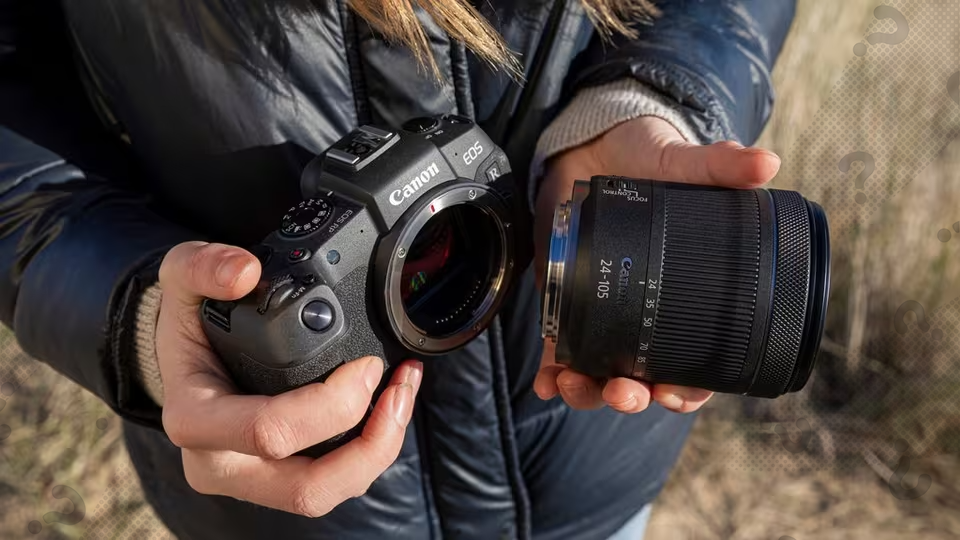
If you chose mostly Bs, you’re Canon RF-Mount: “The Workhorse”
What you surrender in third-party options you gain in reliability. When you’re only dealing with Canon products, you can be sure it works and works well. The floor is a little higher, but you’re factoring in reliability and support into the price. Canon is also making innovative strides in autofocus and tracking to add to their renowned color science that still produces some of the best out-of-the-camera skin tones in the game. It also has excellent flash integration, benefitting wedding and event photography. Canon’s doubling down on video, so expect them to come out with some strong hybrids in upcoming releases.
If you chose mostly Cs, you’re Nikon Z-Mount: The Purist
Nikon has always been an optics-first company, and their new Z-mount has unlocked a whole new level in the manufacturer. Prioritizing rendering, low-light performance, and stable handling, the system is balanced and no-nonsense. The system really shines with portraits and landscapes, and the recent acquisition of RED Camera proves the company is serious about video. Nikon has more third-party options than Canon but fewer than Sony, but where the adaptability really opens up is in the company’s vintage F-mount lenses, which are all adaptable via the FTZ Adapter going back to the 1960’s.
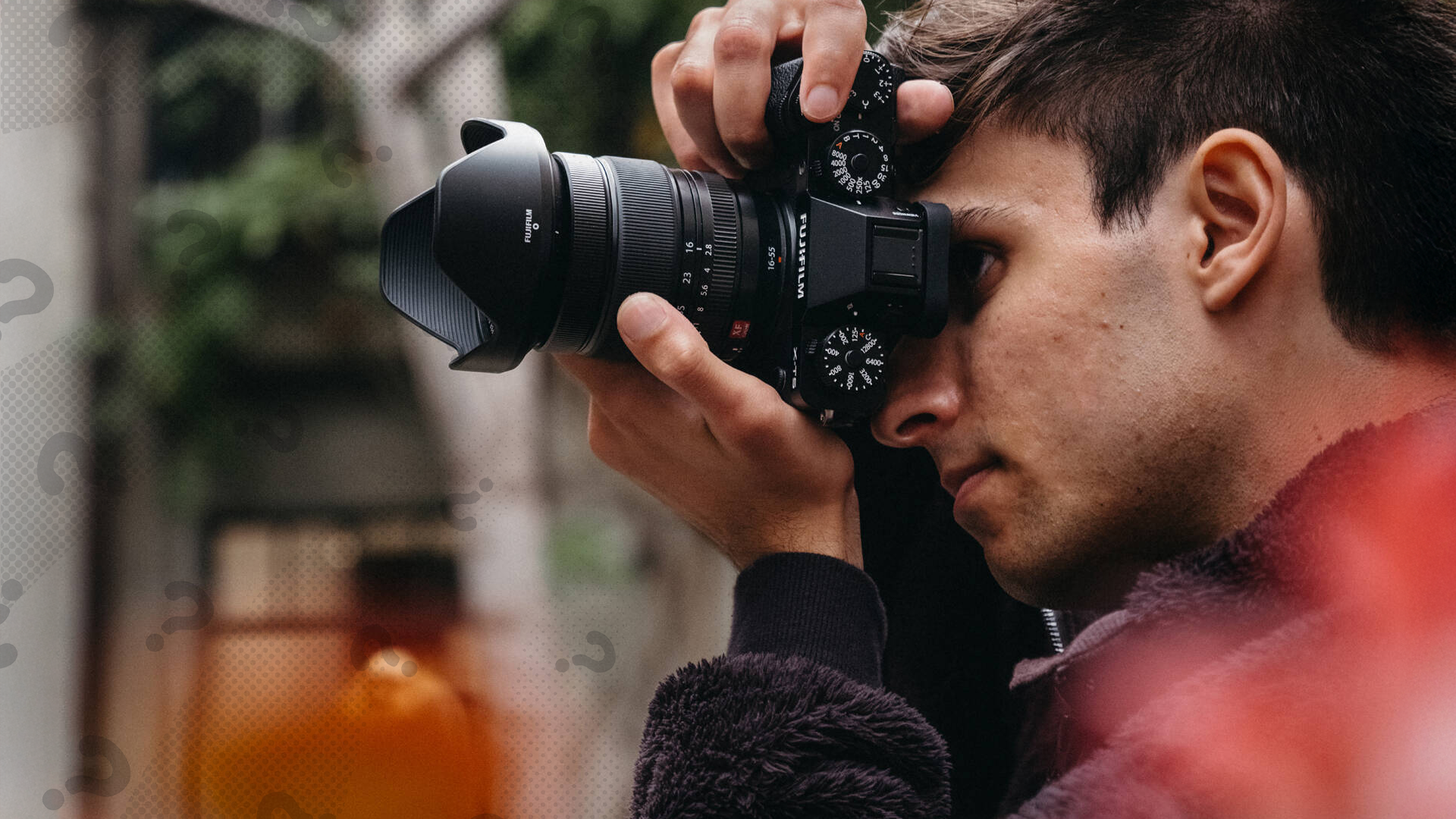
If you chose mostly Ds, you’re FUJIFILM X-Mount: “The Street Poet”
Yes, we get it. You look good and you have good vibes. The pictures of you with the camera are just as good as the pictures you take with it. And you know what? We’re not mad about it. There’s no reason that beauty and function have to be at odds with one another, and the FUJIFILM X system is there to prove it. The dedicated APS-C format gives you a little more reach than full-frame. The company’s film legacy manifests in its class-leading Film Simulations, delivering the colors of yesteryear without filter hokeyness, just mood. The whole line-up is chic and compact and really benefits users who want an everyday carry that also excels.
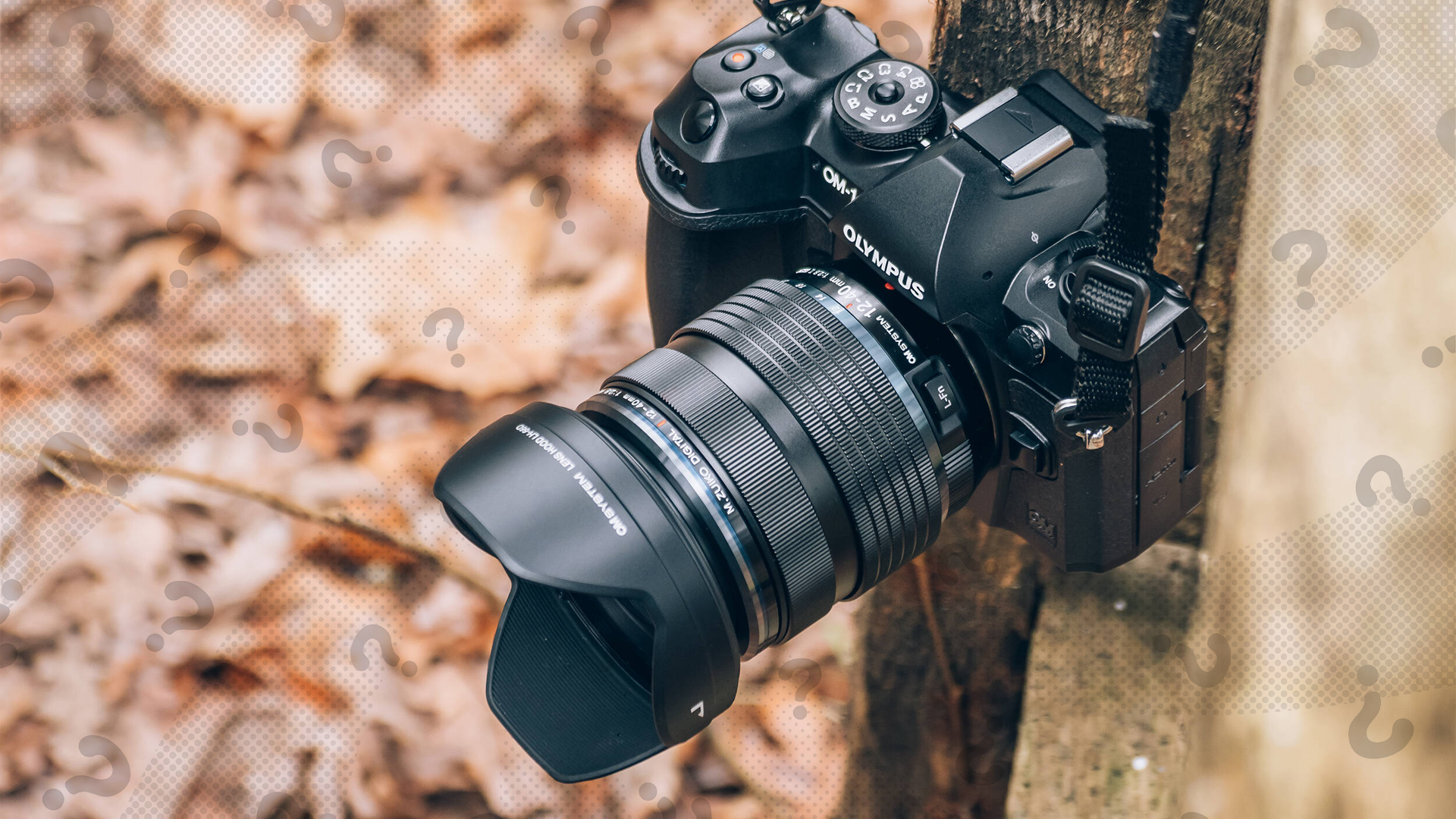
If you chose mostly Es, you’re Micro Four Thirds: “The Adventurer”
These cameras may have the smallest sensors, but it also means they have small bodies and expansive reach (twice that of full-frame). OM System is the standard-bearer of the format, and they’ve positioned themselves as the ultimate ecosystem for outdoor adventurers. When you’re doubling the reach of your lenses, all-day hikes for hunting rare prey are for everyone. Micro Four Thirds cameras don’t shirk on the video and tend to have excellent in-body stabilization, also benefiting handheld long-range photography.
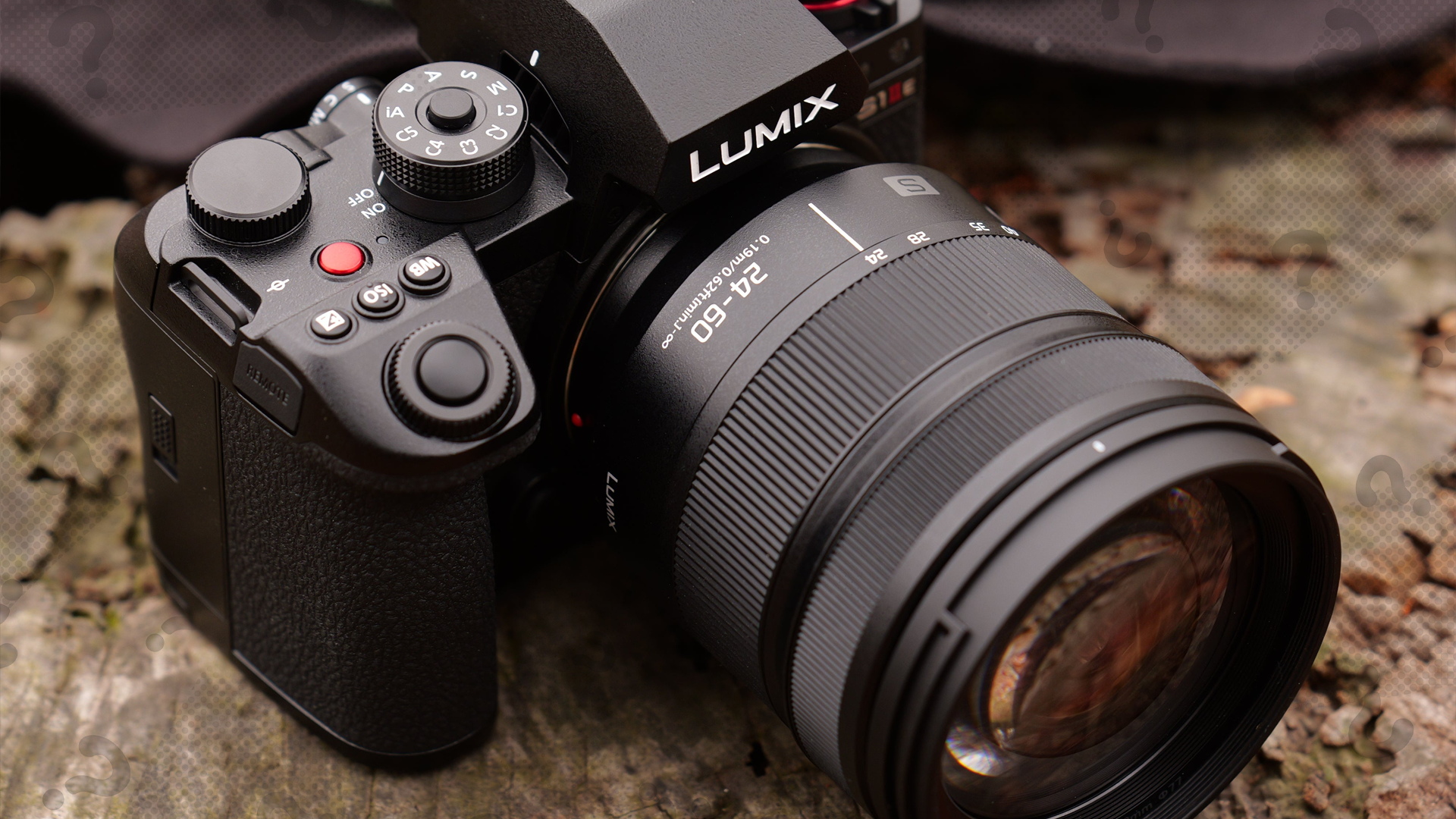
If you chose mostly Fs, you’re the L-Mount Alliance: “The Avenger”
The L-Mount Alliance is a lens mount standard shared by multiple brands, most prominently Leica, Panasonic, and Sigma. Leica brings the legacy and character, Sigma brings the value and innovation, and Panasonic offers some of the most hybrid-friendly bodies on the market today. That makes the L-mount the ultimate in “interoperability”, which is military-speak for “works across domains.” The breadth of bodies and lenses at hand, the ability to choose among design philosophies and functionalities—this is what the L-mount offers. It requires a little more willingness to experiment in finding the best combos, but it also affords some of the most professional video setups of all. This includes backward compatibility with vintage PL-mount lenses for unique, nostalgia-tinged footage.
We hope you learned a little something about lens mount families and, perhaps, a little more about yourself. Continue down the path of self-discovery at B&H Explora, or self-actualize at the B&H SuperStore.
