Home Studio

71 Views ·Posted
In Part 2 of this three-part series, Justin Colletti, of Sonic Scoop, and Bob Mallory (producer and engineer at Avatar Studios and Paste magazine), discuss home-studio monitoring with multiple sets of speakers, headphones, and interface setups. Learn about recommended monitoring gear that can be acquired on a modest budget, as well as the pros and cons of different types of headphones for tracking and mixing. They also dig into monitor controllers, and how to determine the right gear for your needs. Check out Part 3 for tips on microphone
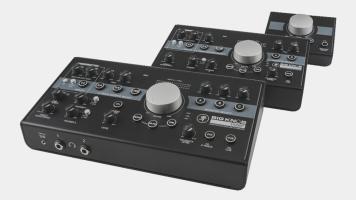
Released more than a decade ago, the original Mackie Big Knob was the “go-to” monitor controller for project and home studios. Mackie’s latest announcement of the next-generation Big Knob Series has created a bit of a buzz, as the new lineup features three models at very affordable prices. The Passive version is the smallest and requires no power, while the Studio and Studio+ incorporate a USB audio interface for even more flexibility.
The Big Knob
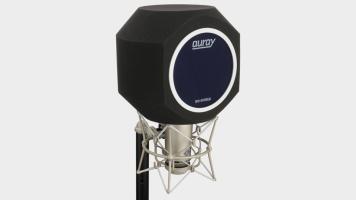
Look, we all can’t record audio in multi-million-dollar, top-notch facilities. Some of us would even rather record in our bedrooms—and why not? It’s comfy. Luckily, there are a variety of solutions to capture quality audio in less-than-ideal surroundings. So, with that in mind, let’s take at two different Auray products which will help you achieve better results in sonically inferior rooms.
Next, have a look at THE ISO-ARMOR Pro

If you’re an aspiring musician, music engineer, or music producer, there’s a good chance that you suffer from some form of gear addiction. There’s really no way around it, nor is there a good way to explain this to your non-musically inclined friends and family. The temptation to make that next gear purchase looms over you like a giant Grammy-shaped cloud—kind of like the uncontrollable urge you have to eat that additional, unnecessary slice of pizza that’s just sitting there in the box, staring at you, waiting patiently to be devoured.
I will
Perhaps more than in any other creative field, the line between professional and prosumer is the blurriest in pro audio. Just within the last 15 years, the quality of gear that has become financially obtainable by hobbyists and enthusiasts has increased exponentially, from interfaces to monitors and

Anyone who’s ever miked or mixed a drum set knows that a putting up a room mic—and getting a good room-mic sound—is unbelievably useful for shaping the tonal picture of acoustic drums.
There’s a problem though, one that rears its head in these days of declining budgets, where people often flock to home studios—or their own living rooms—to record drums: it’s not always possible to put up a room mic. Maybe your interface doesn’t have the real estate. Maybe a sloppy engineer patched the wrong input, and you got a duplicate of the tom track
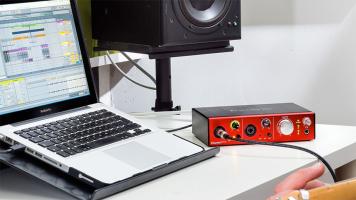
There is no shortage of audio interfaces currently available. It seems that there is a new device being released every other week. When I was asked to put together a list of five of the best interfaces for less than $500, it took some careful research and consideration. With so many options, it was difficult to choose. I compiled the following list, based on overall sound quality, performance, and value.
Native Instruments KOMPLETE AUDIO 6 USB 2.0 Digital Audio Interface

You’ve written the parts, tuned your axe, and informed your neighbors that things are going to get loud. Now it’s time to record some electric guitars at home. But a question tugs at you: How can you, with your home setup, ever approach the sound of a top-notch studio?
We’re here to suggest some tips and tricks on how to do just that. If you’ve ever wanted a compendium of everything from gear options to recording tips, read on:
DI and software
If you’re reading this, most likely you’ve already got an interface, anything from the Apogee

A well-designed room can make the difference between smooth sailing and major headaches down the road. With today’s technology, it doesn’t take thousands of dollars to get the gear needed to set up your home audio studio. Here are a few things (six steps) you should know before you start so that you can spare yourself some months of frustration and get it right from the very beginning.
Step 1: Choosing the Right Space
In the average household, you may have a selection of rooms to choose from. If you have only one option, that choice is
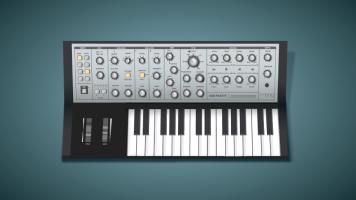
What is a synthesizer?
The advent of the synthesizer and its subsequent popularity in the late 1960s and throughout the ’70s forever changed the landscape of music and sound design. The concept of imitative synthesis, where a device is used to emulate a particular acoustic instrument, has been a huge boon for the advancement of the technology of synthesis. For instance, if we wanted the sound of a violin or oboe added into a musical piece, but neither do we play nor have the ability to hire someone who can play said instrument, having a